John Rothwell currently resides in Grand Rapids, Michigan, where he is a freelance photojournalist and reporter. In December of 2017, he finished his Communications Degree at Grand Valley State University and is currently working on adding a second degree in Multimedia Journalism. In addition to his academic work, he contributes photos, photo essays and local news coverage to The Rapidian, a hyperlocal citizen journalism platform, powered by the people of Grand Rapids.
John believes that everyone has a story to tell and that story needs to be told in a medium that best suits the situation, either in photos, video, audio, word or a mixture of all.
People must be informed on events happening in and around their lives and have their voices heard.
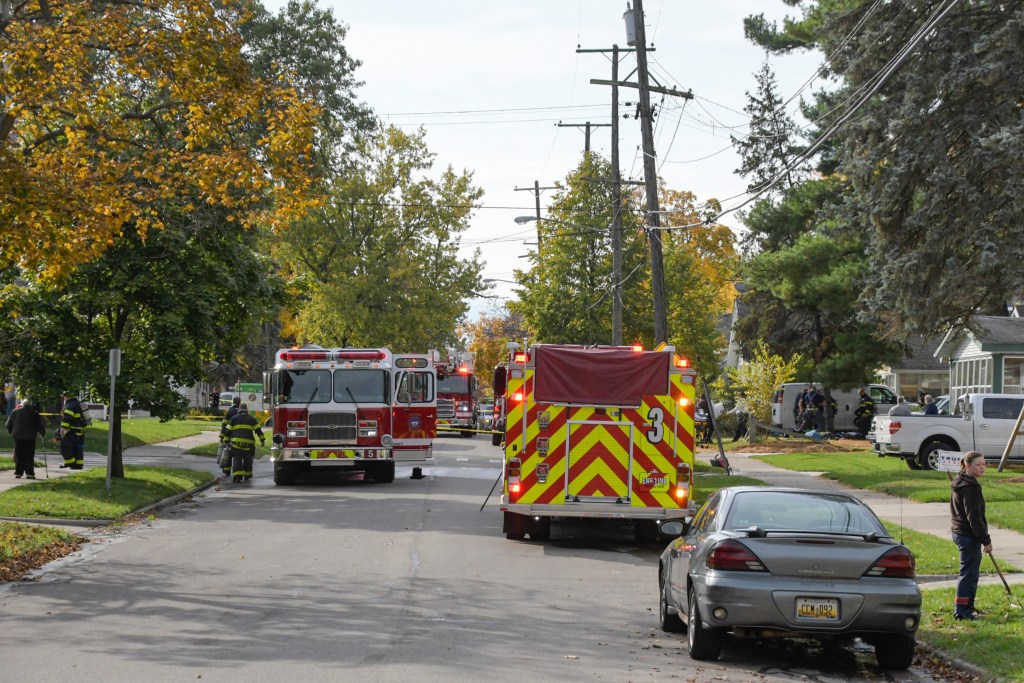
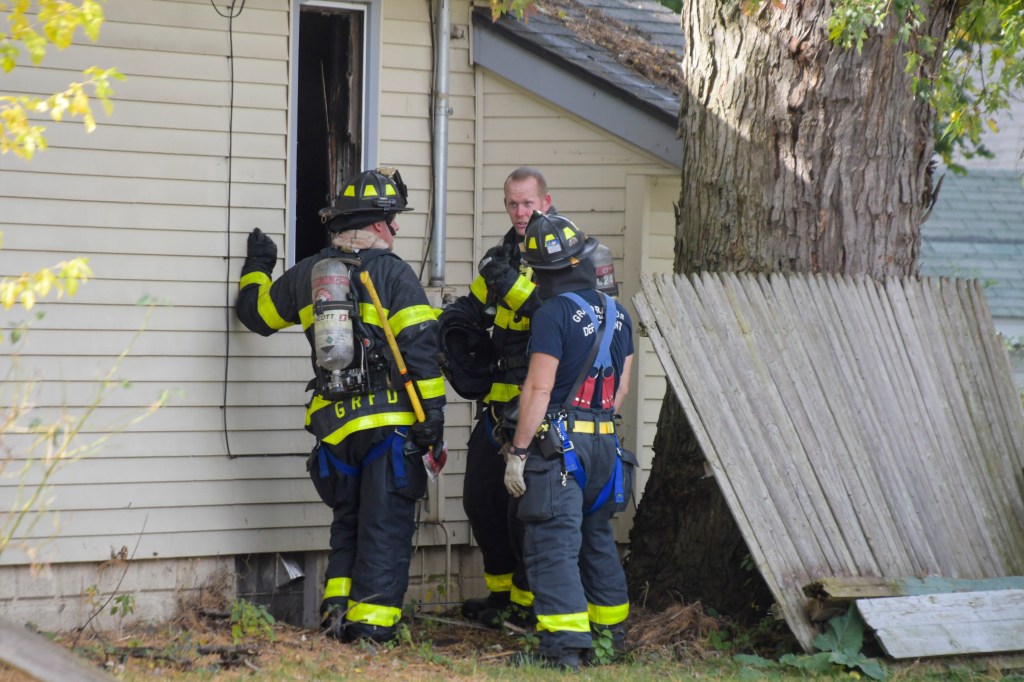
GRAND RAPIDS, Mi. One person was found dead after a house fire on Grand Rapids northeast side Sunday morning.
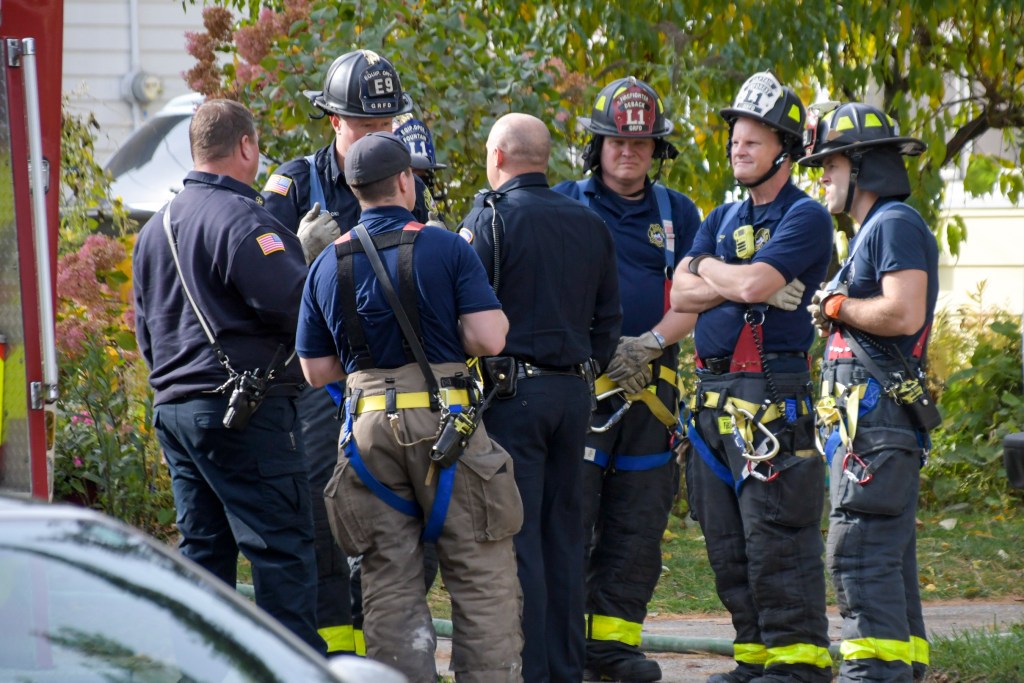
Firefighters were called to the 2100 block of Oakwood Ave NE just after 11 a.m. Sunday morning on a report of smoke coming from the house.
After the fire was extinguished firefighters found the person deceased. No name has been released at this time.
An autopsy will be conducted to determine precisely how the individual died.
The cause of the fire is under investigation. The Grand Rapids Police Department’s Major Case Team along with the fire department’s arson investigators are looking into it.
Anyone with information about the fire is asked to call detectives at 616.456.3380 or Silent Observer at 616.774.2345.
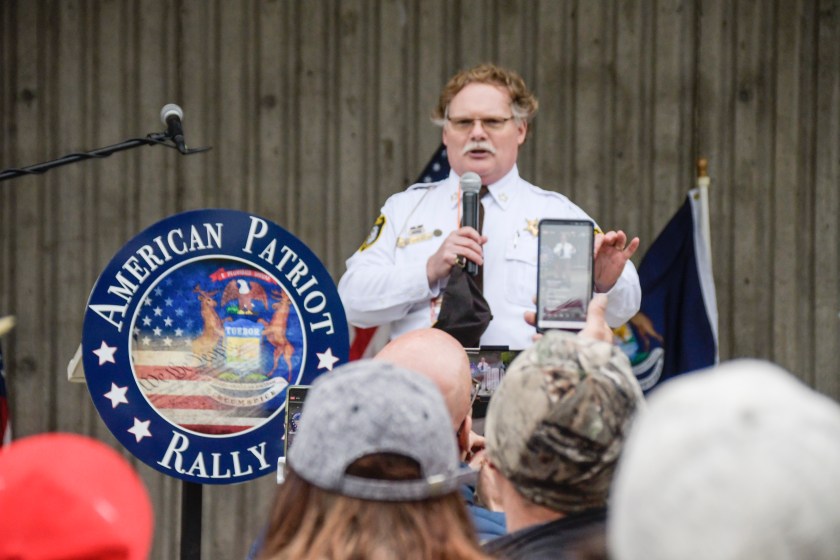
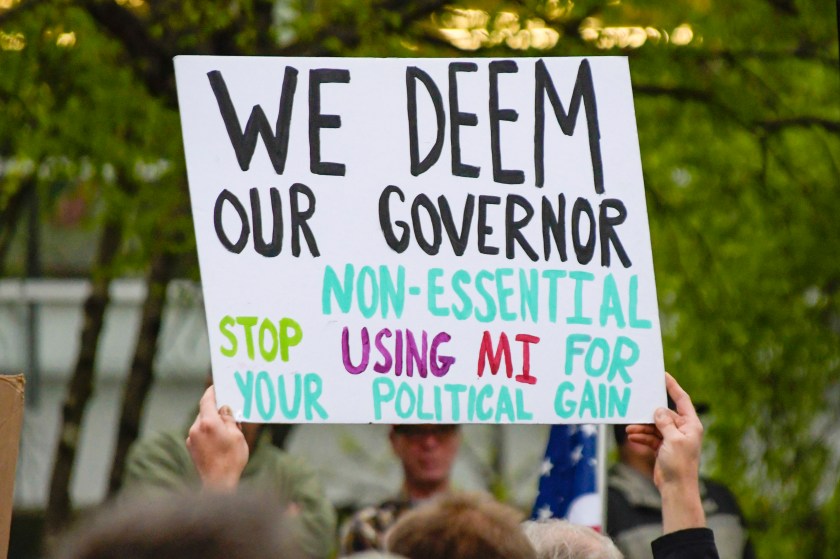
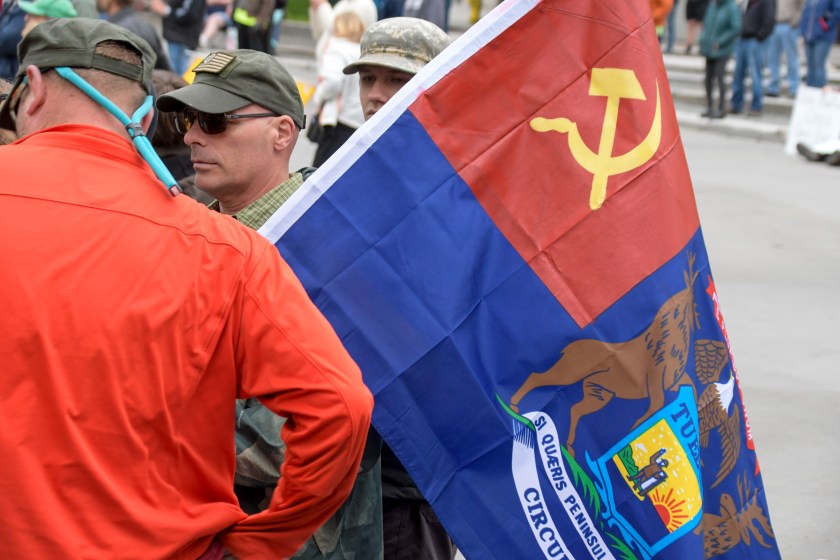
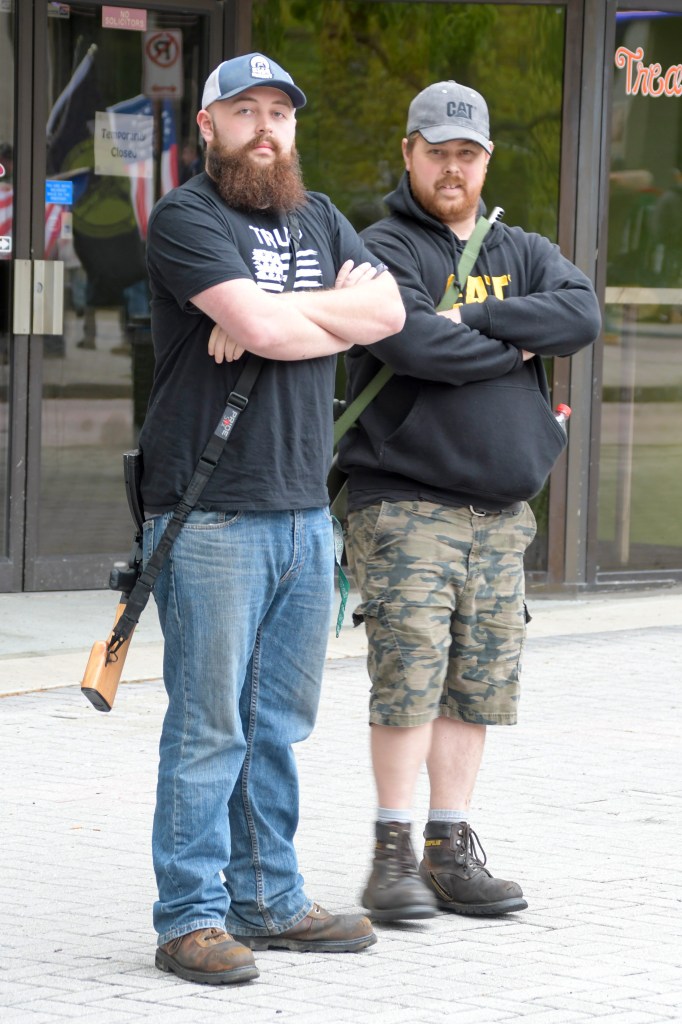
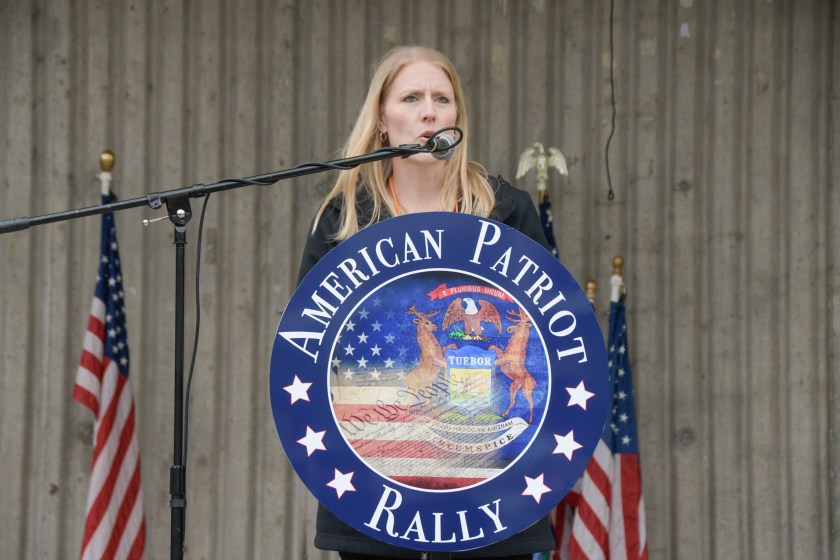
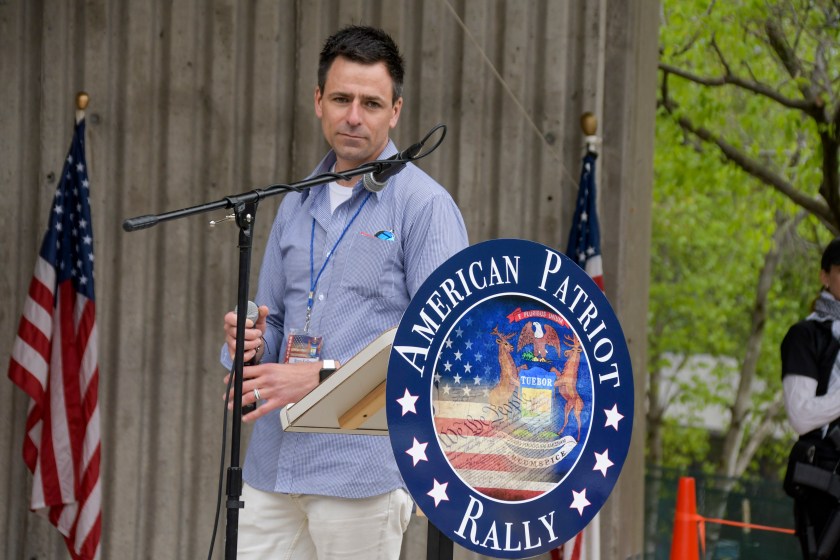
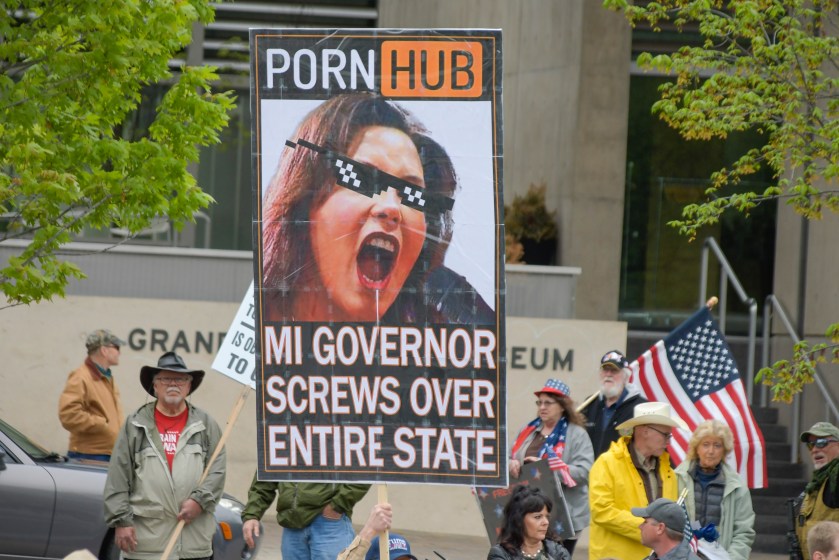
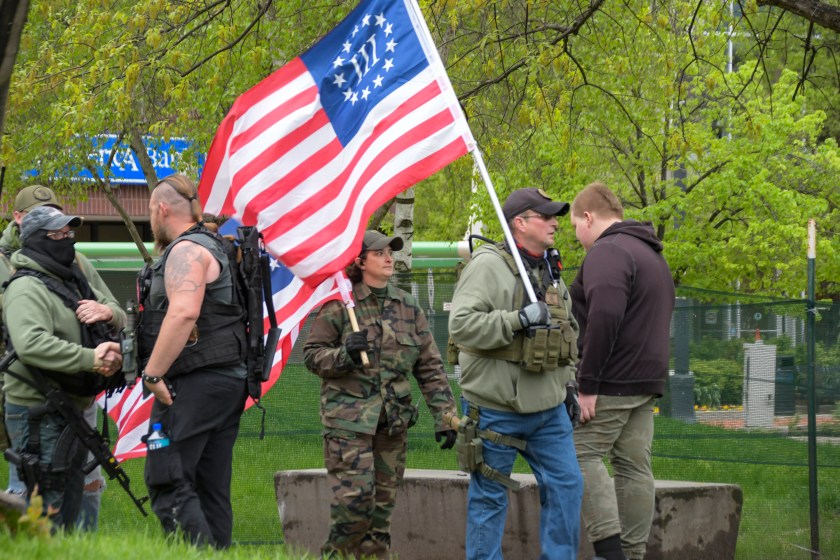
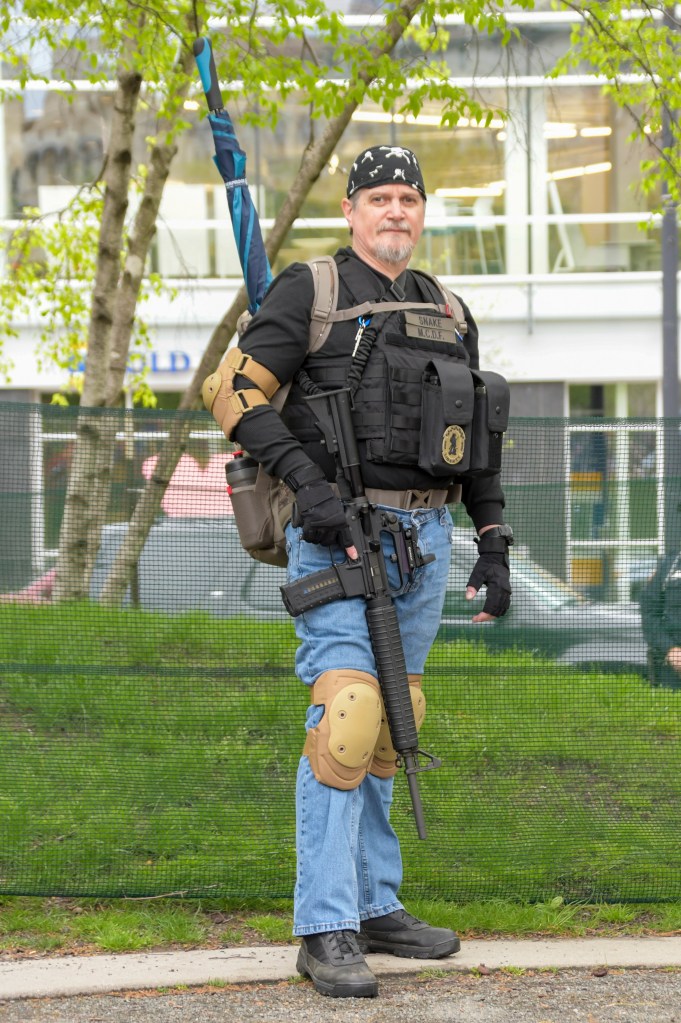
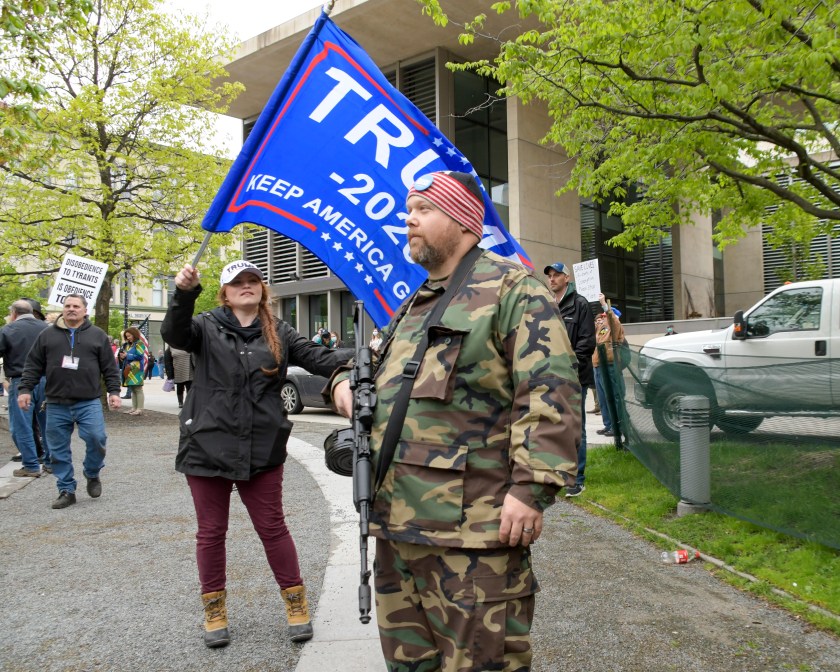
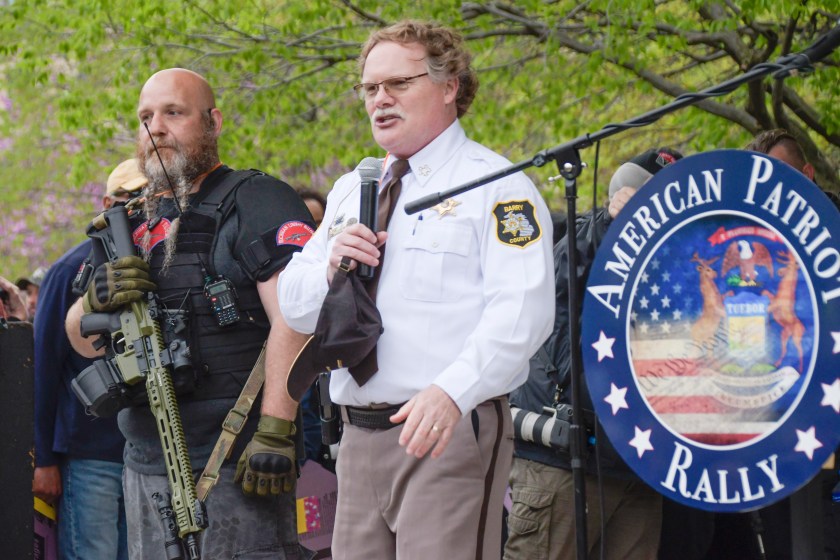
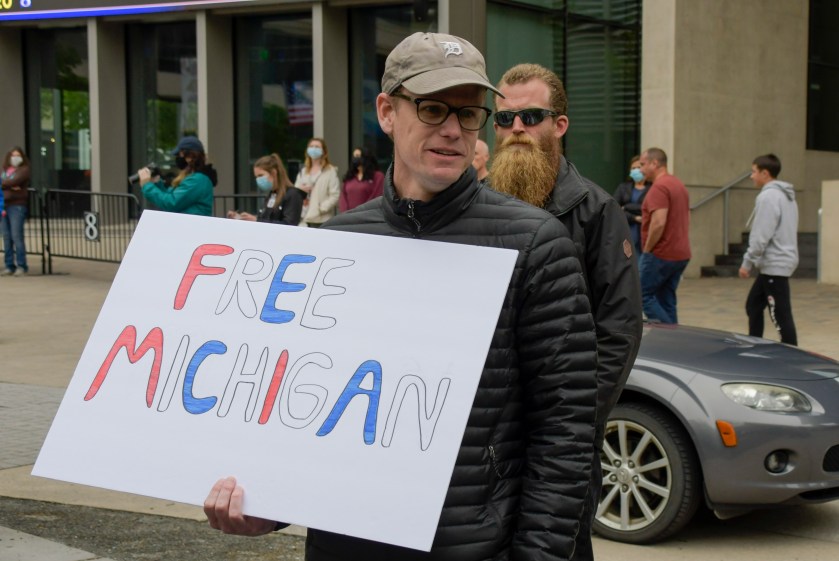
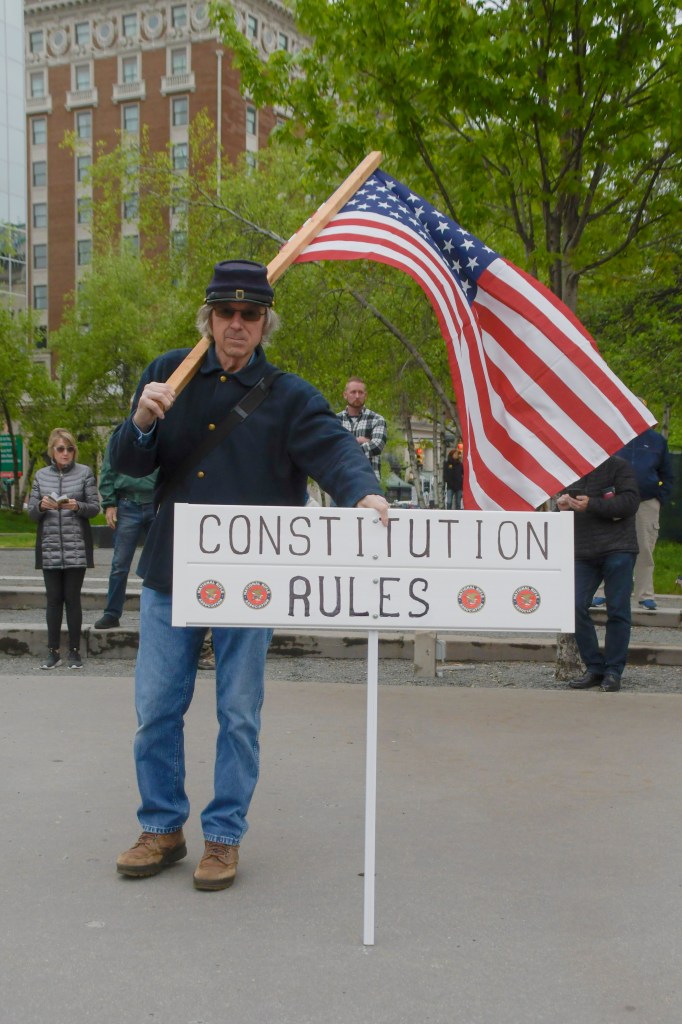
GRAND RAPIDS, MI — Several hundred people gathered at Rosa Parks Circle in downtown Grand Rapids on Monday, May 18, 2020 for a demonstration designated as the American Patriot Rally — Sheriffs Speak Out. The rally was to protest Gov. Gretchen Whitmer’s stay-at-home order in regards to the outbreak of the Covid-19 pandemic.
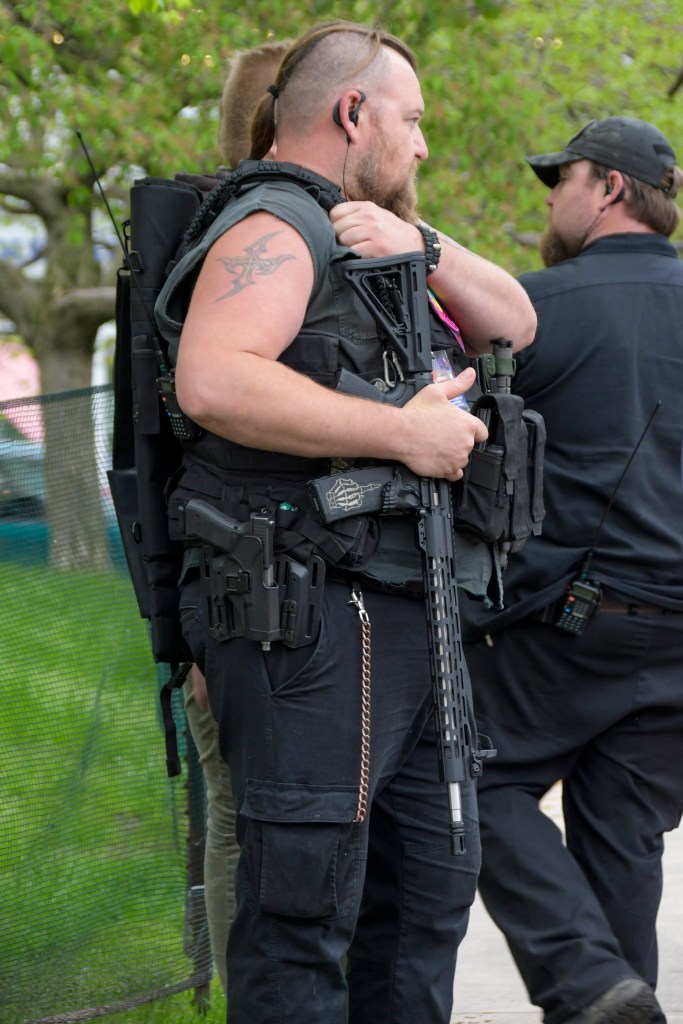
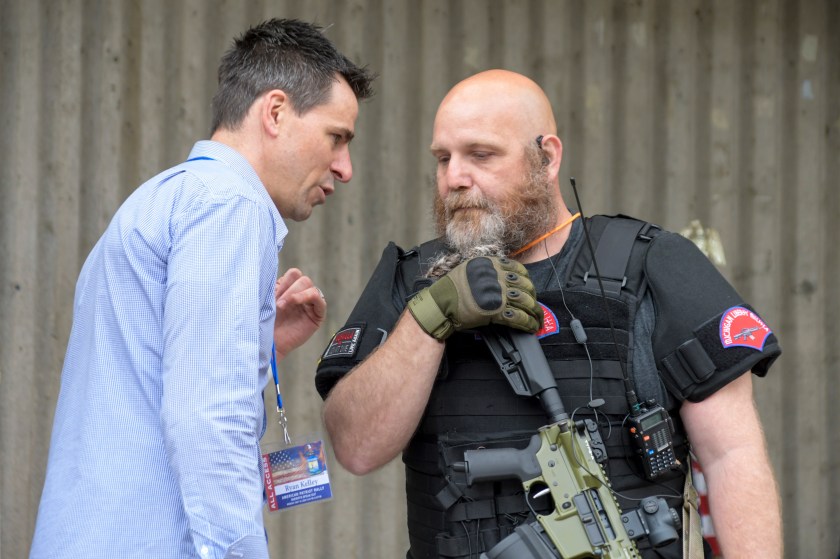
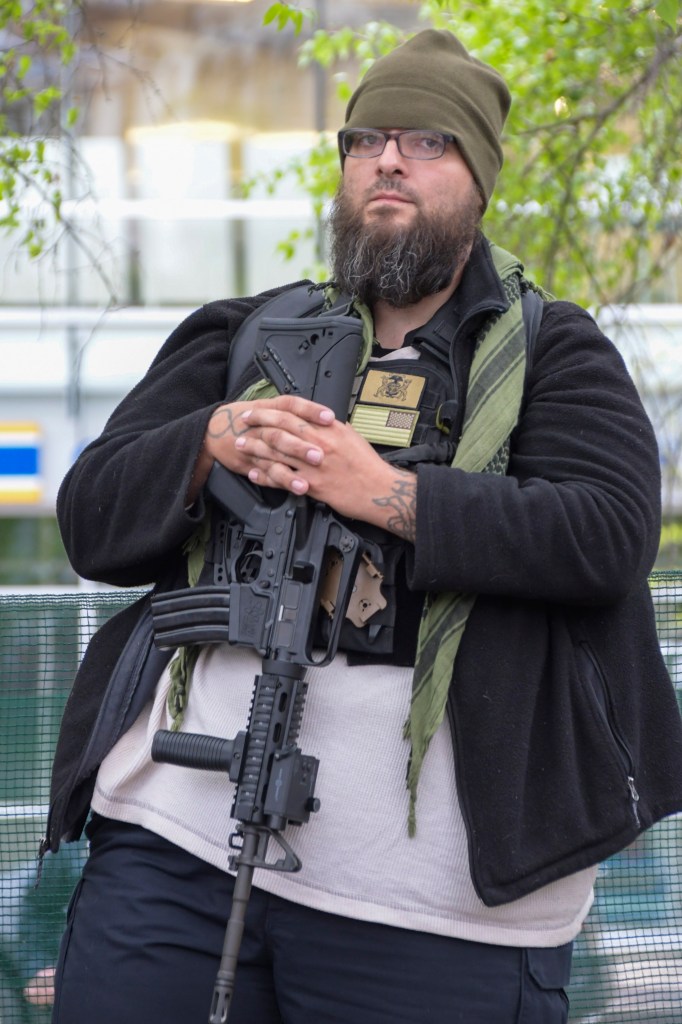
Many demonstrators carried signs in protest of Whitmer, some opted to open-carry their firearms. Demonstrators included members from different Michigan Militia organizations.
The event featured several speakers, including Barry County Sheriff Dar Leaf.
Leaf, a 30-year veteran of law enforcement told the crowd that he would not enforce Whitmer’s stay-at-home orders, calling the measure unconstitutional.
People gathered throughout Grand Rapids to watch A-10 Thunderbolts “Warthogs” Flyover the Veterans Home and downtown on Tuesday, May 12, 2020.
This slideshow requires JavaScript.
The 127th Wing of the Michigan Air National Guard from Selfridge Air National Guard Base located in Harrison Township, Michigan near Mount Clemens conducted a multi-city “Michigan Strong Flyover”. Leaving Gaylord, the squadron of planes passed over Traverse City, Grand Rapids, and Battle Creek to show appreciation to the many Michiganders on the front lines, battling COVID-19.
On May 1,2020 close to 100 vehicles drove from Lincoln Park, located on Grand Rapids West Side and drove east on Bridge Street through the heart of the city in a “Caravan for Dignity” to bring attention to the issues facing the undocumented immigrant community in Grand Rapids.
This slideshow requires JavaScript.
Movimiento Cosecha GR was demanding driver’s licenses for all, but they also emphasized the fact that immigrant workers are essential workers that are working through the COVID-19 crisis, putting them at risk for greater exposure to the virus. The 11 million undocumented immigrants living in the U.S. are not eligible for any of the COVID-19 relief funds from the federal government.
Movimiento Cosecha GR, is part of a nationwide, non-violent movement fighting for the dignity, protection and respect for all immigrants, including rights for those that are undocumented.
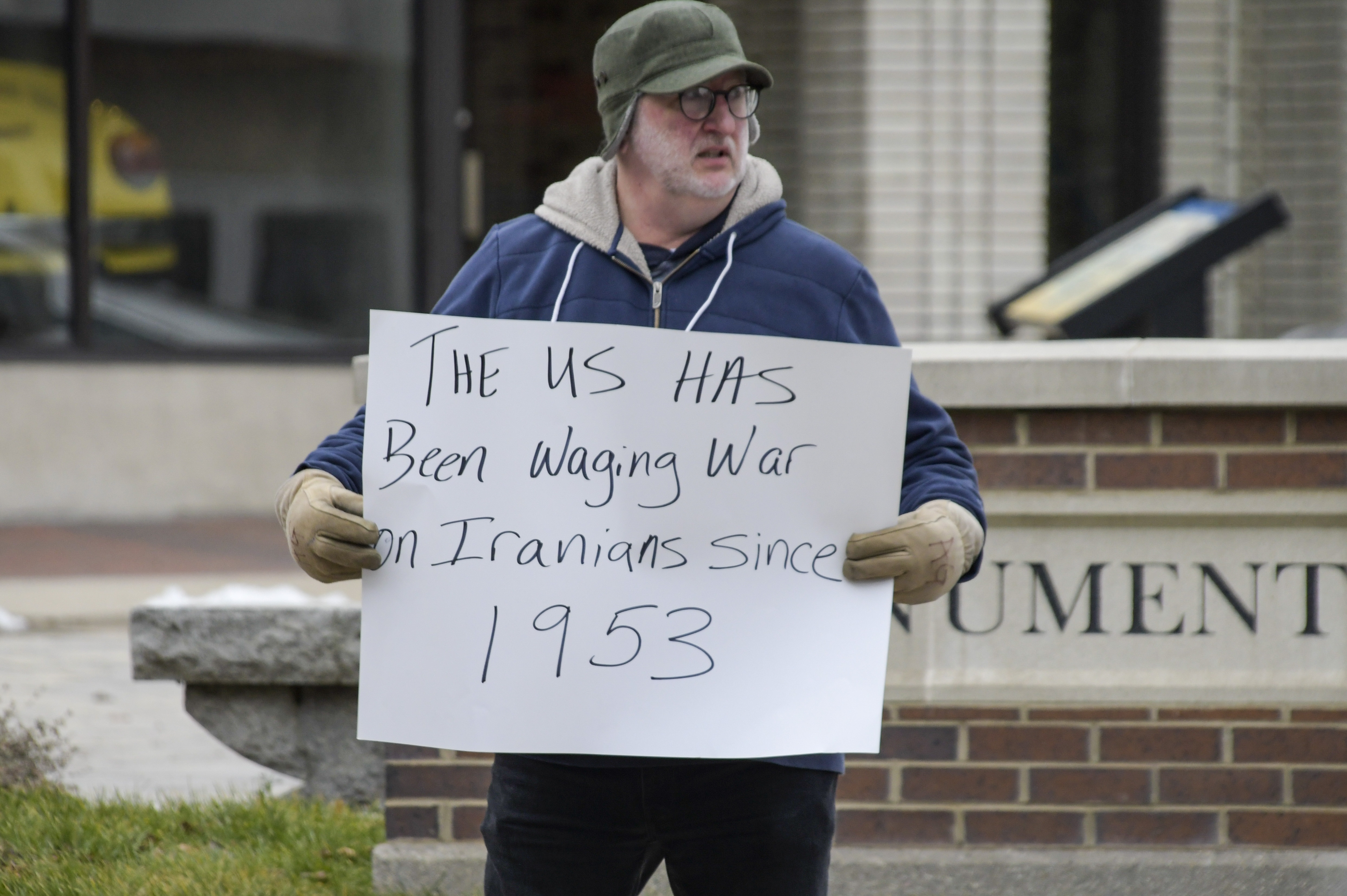
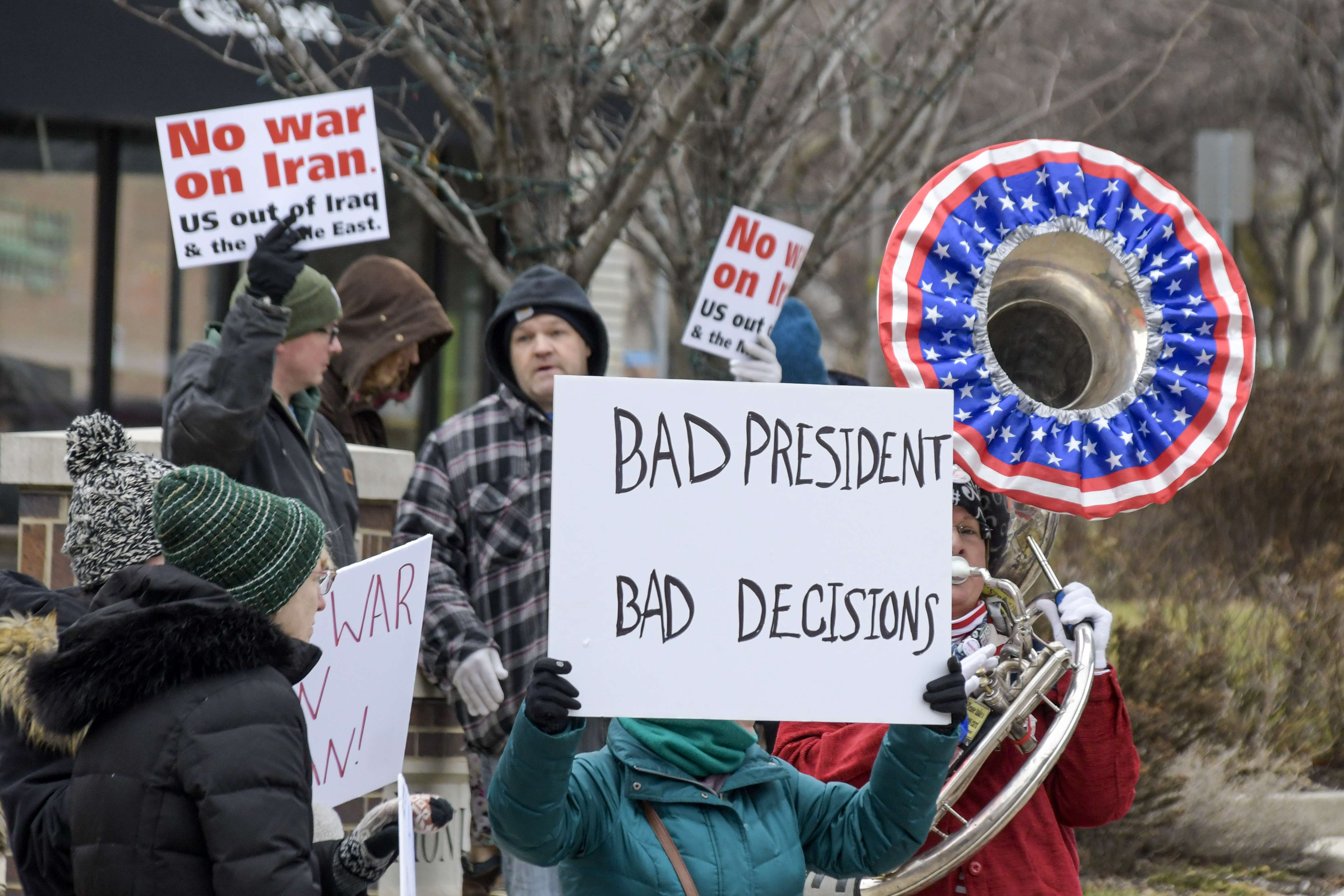
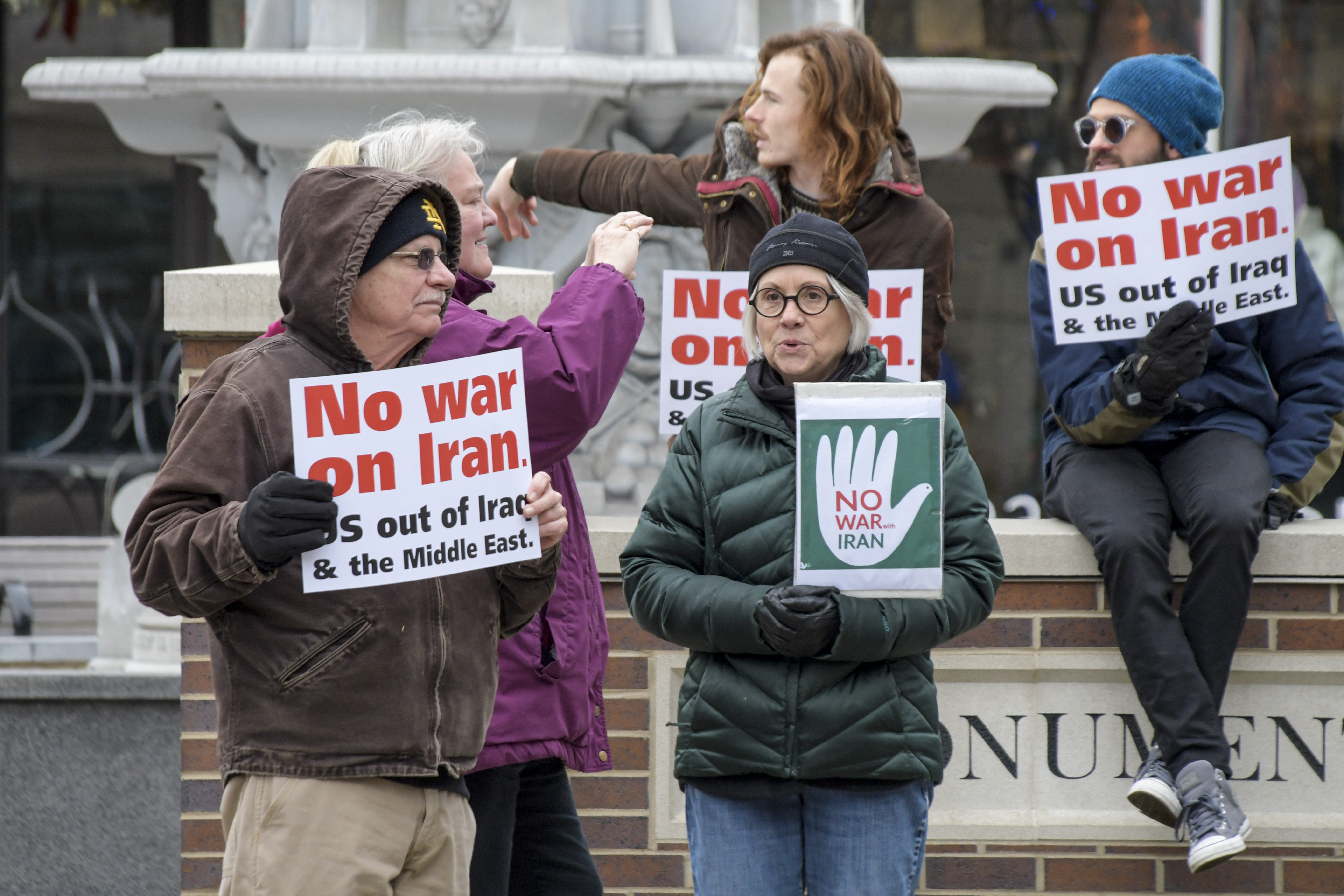
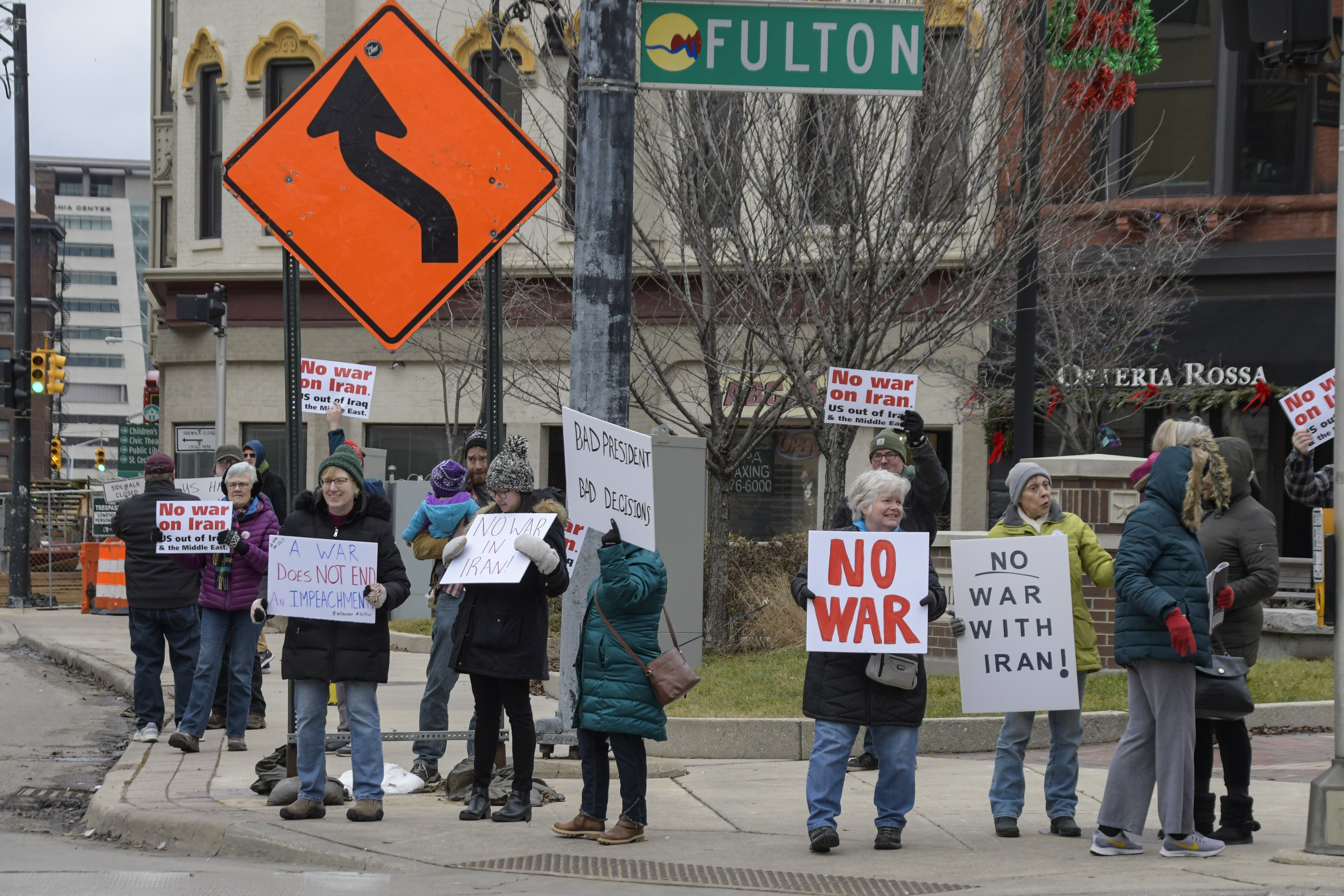
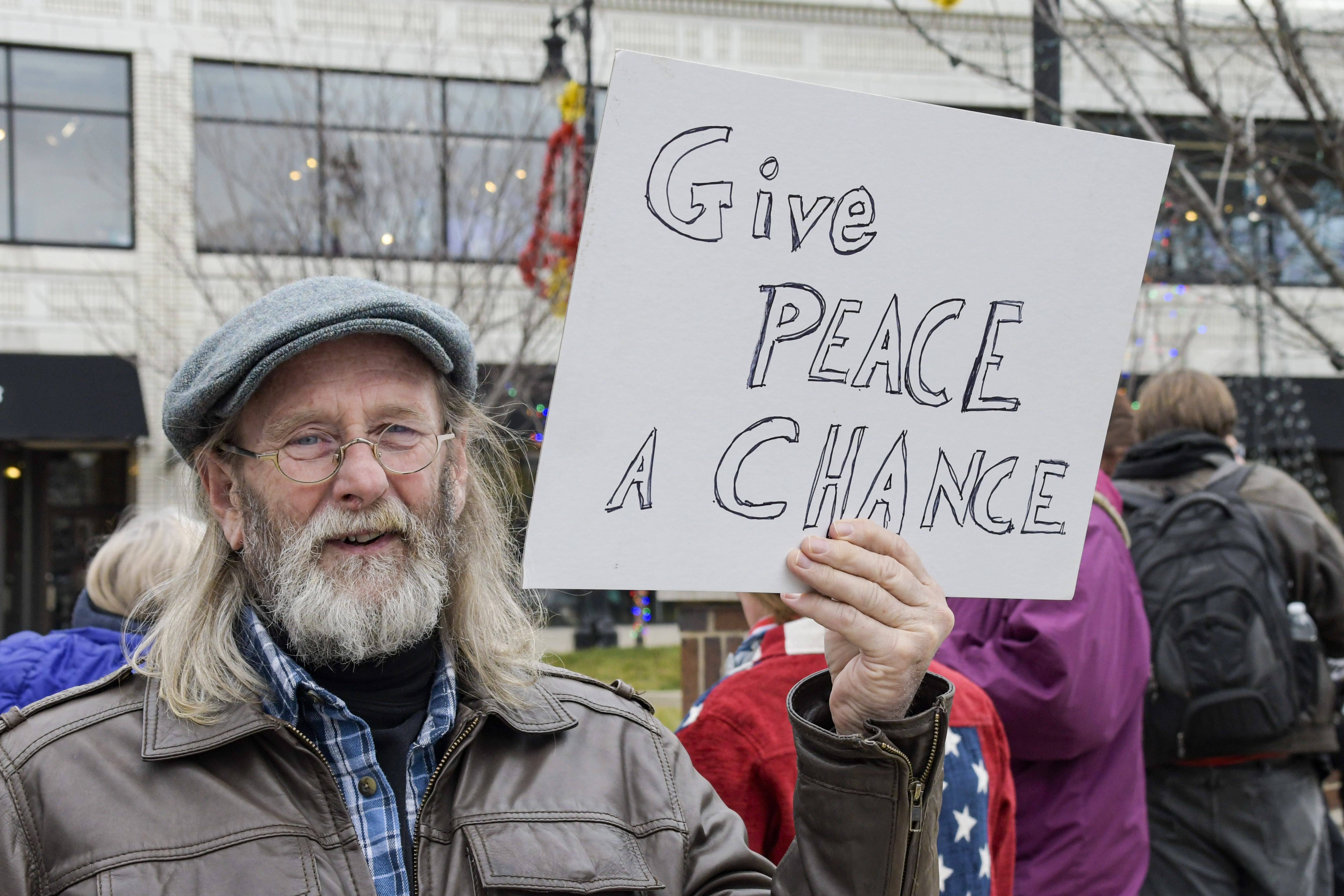
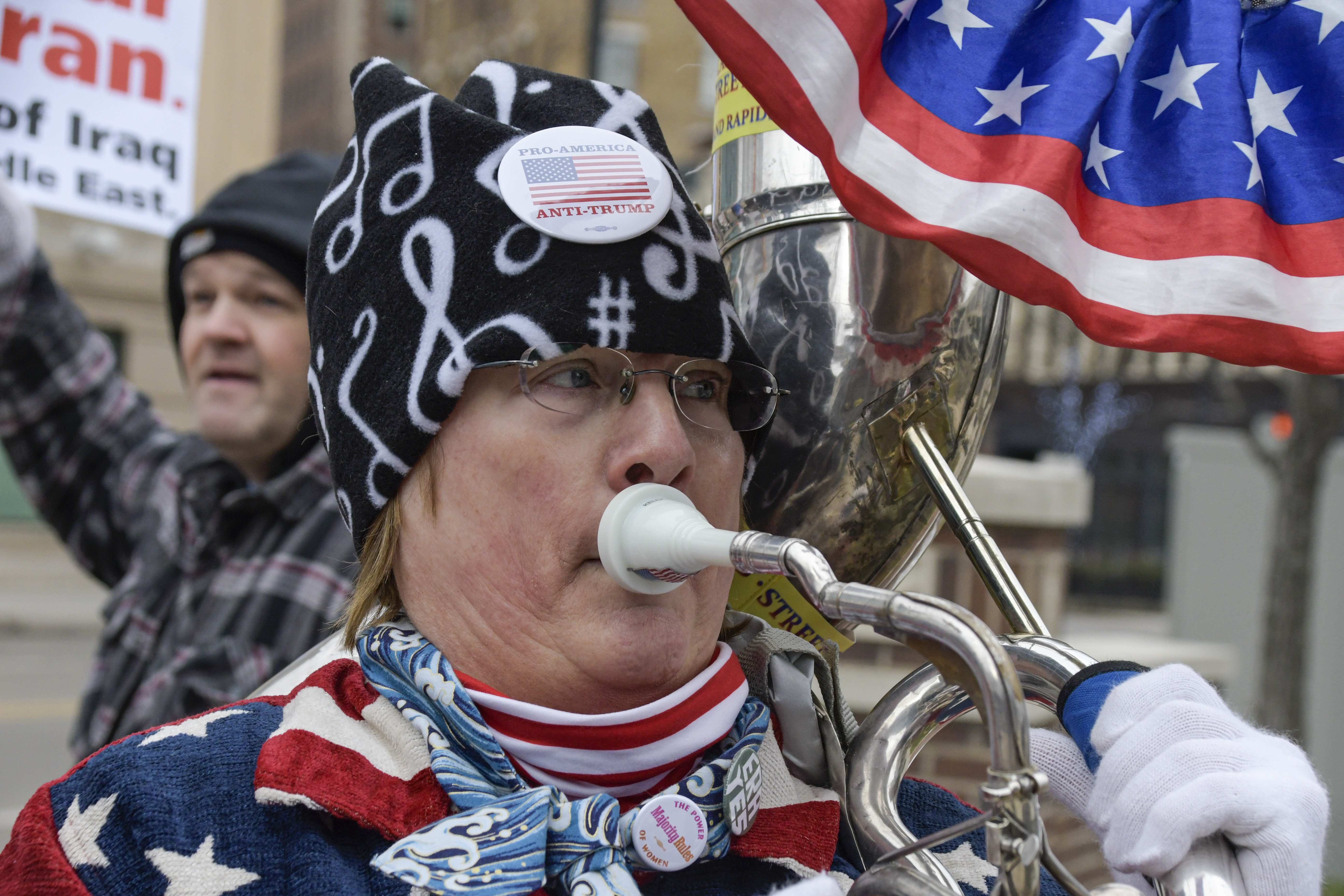
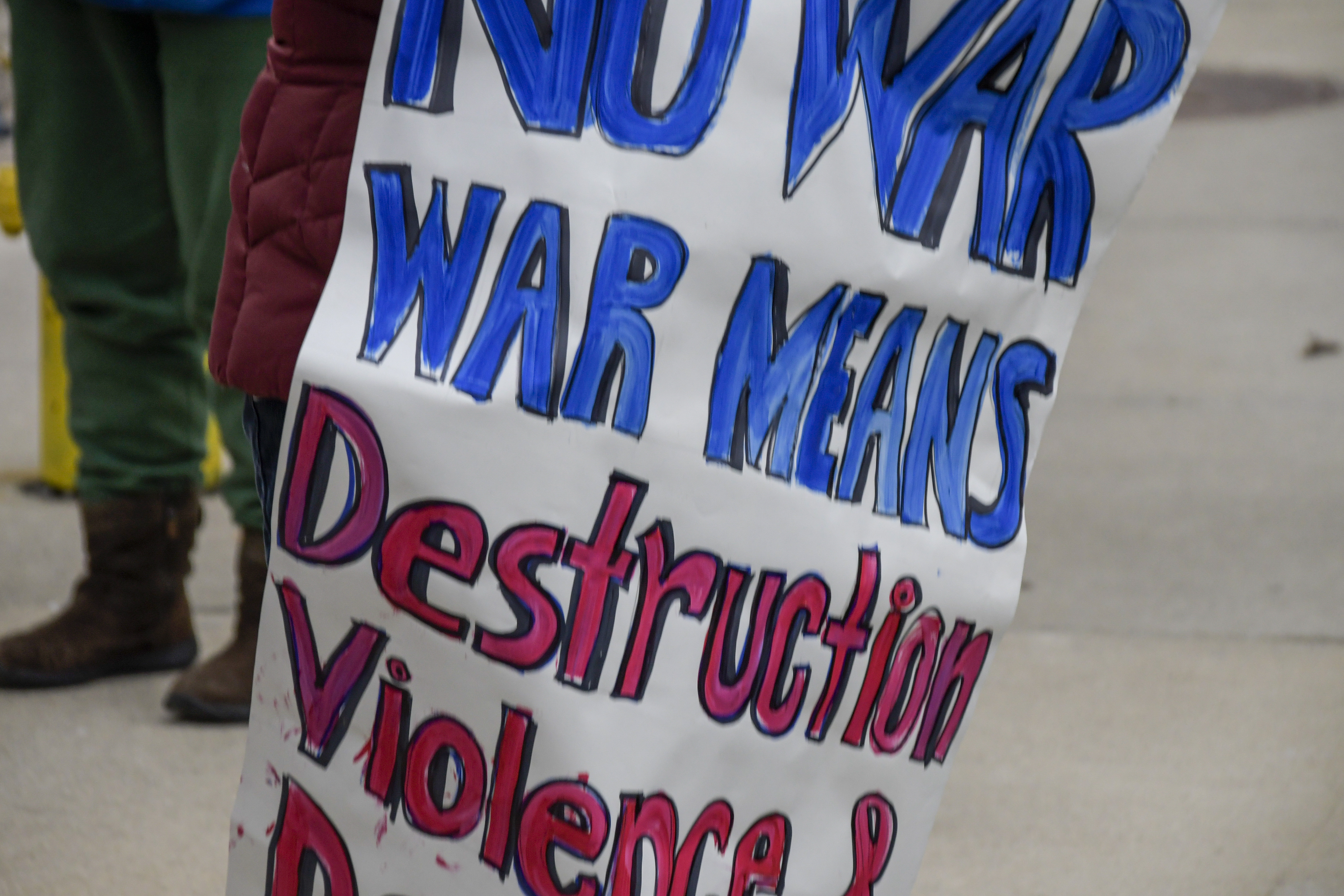
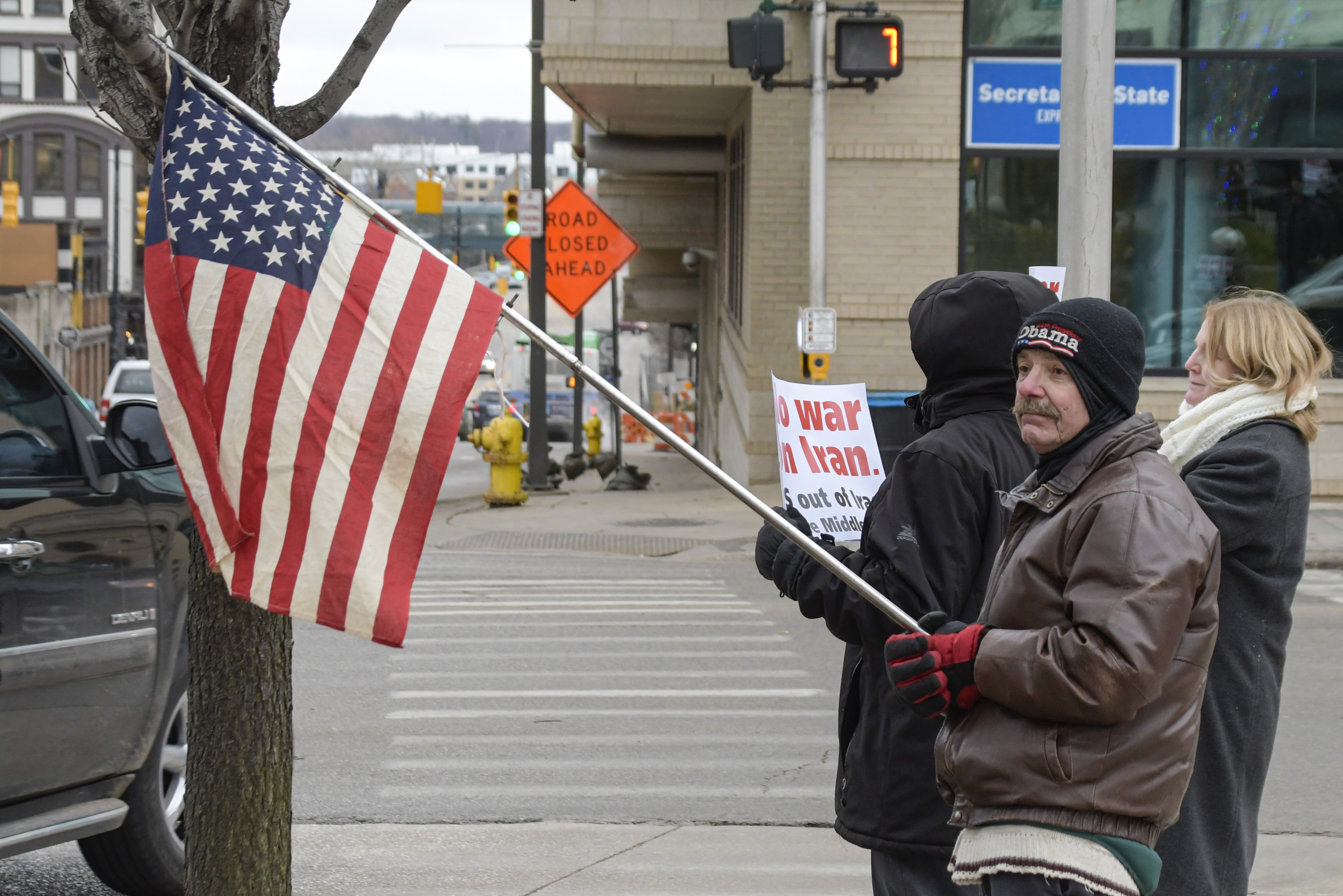
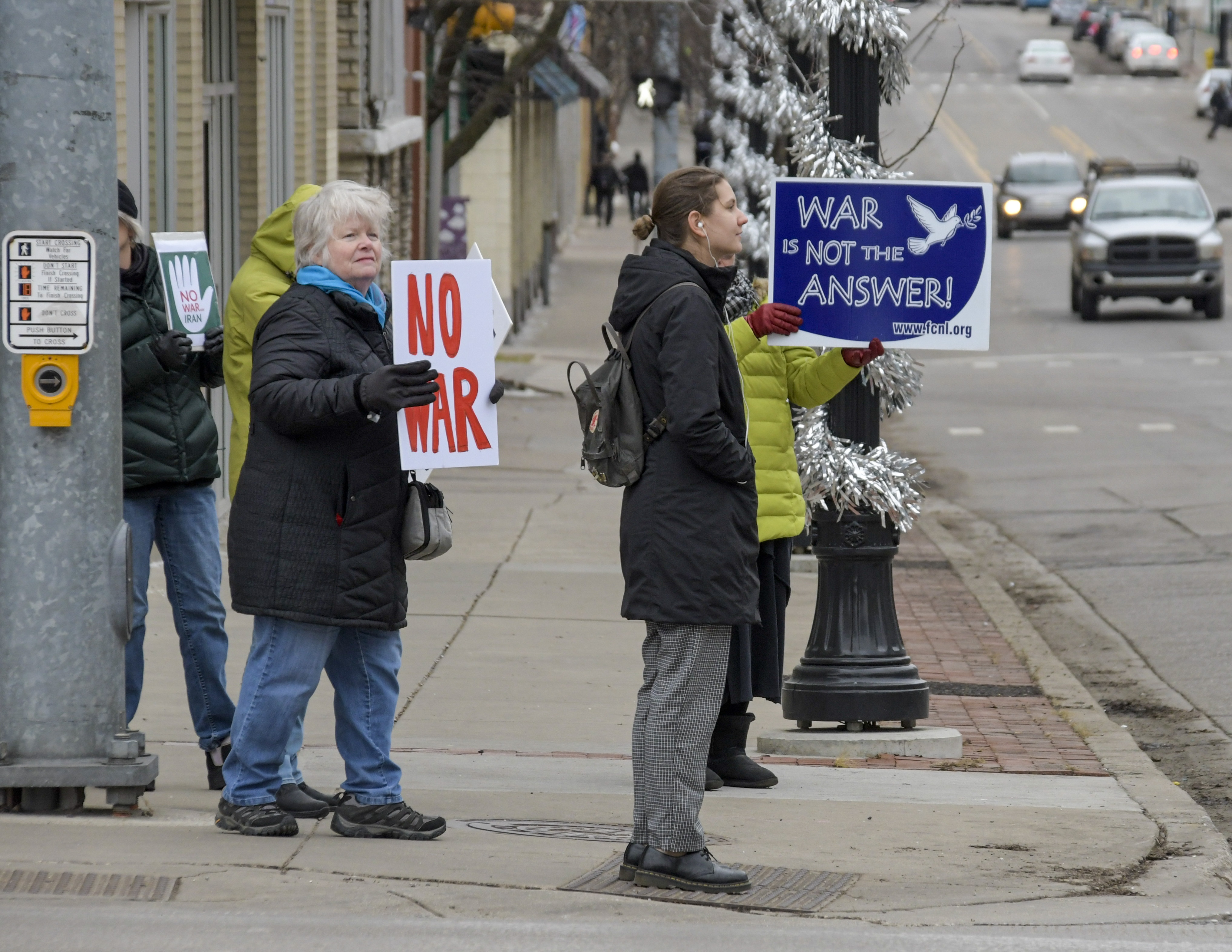
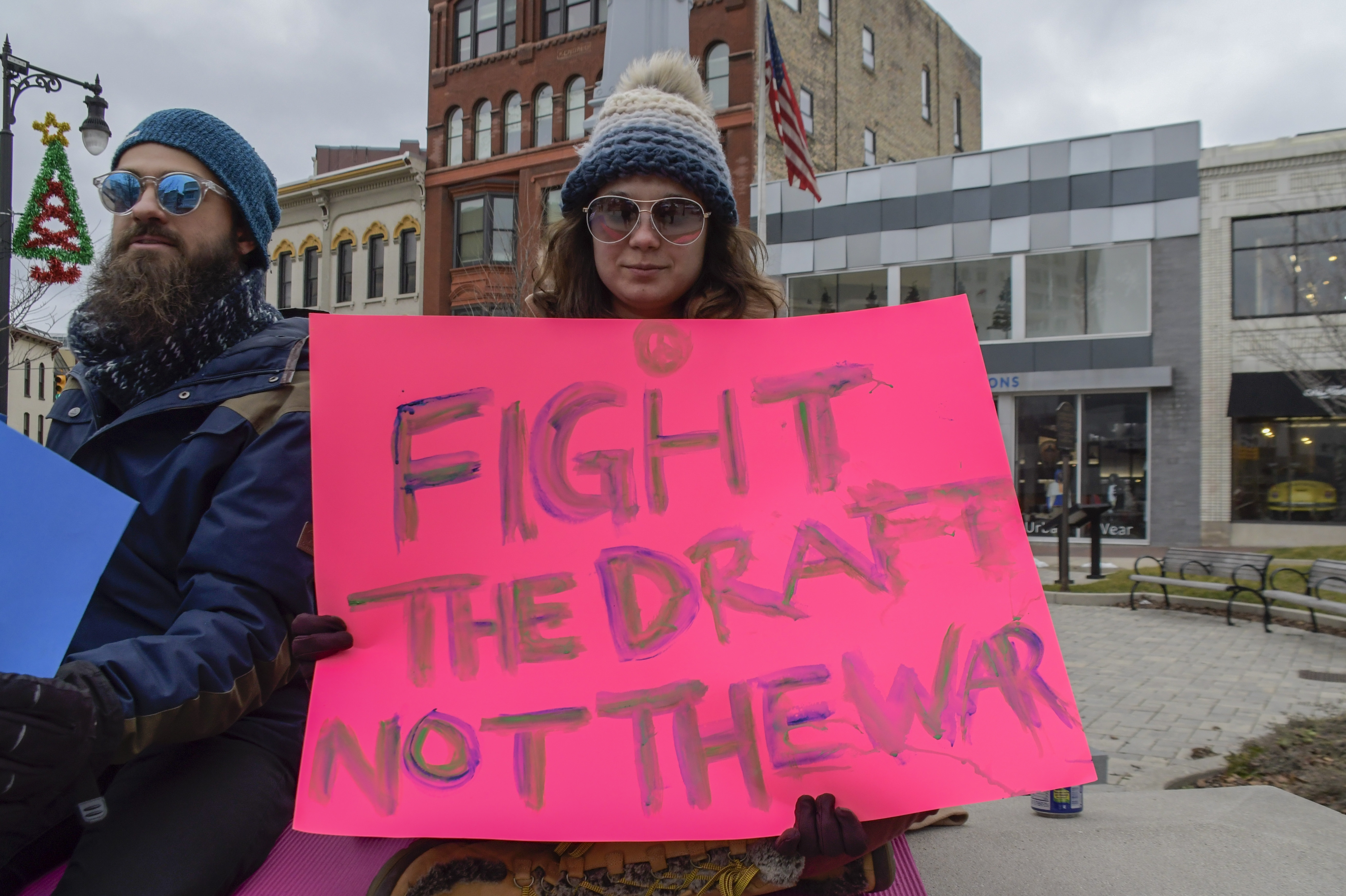
Less than 48 hours after the U.S. killed top Iranian commander Qasem Soleimani in a drone strike, protesters against a war with Iran gathered on the corner of Division and Fulton in Grand Rapids, Michigan
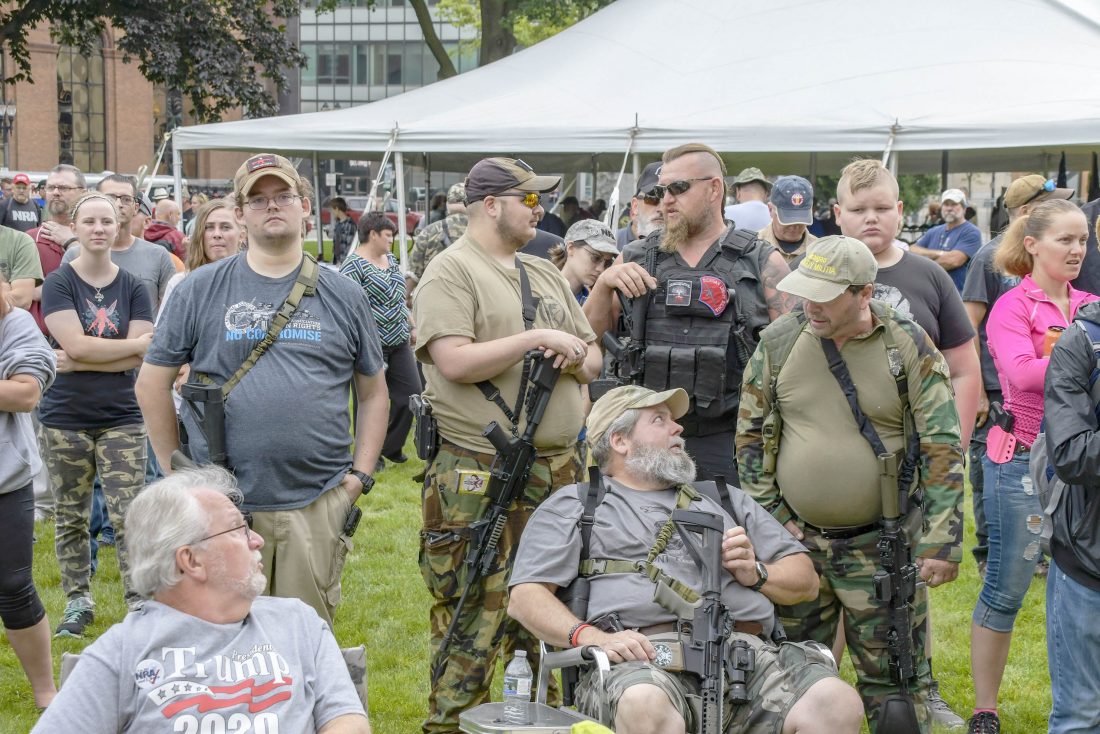
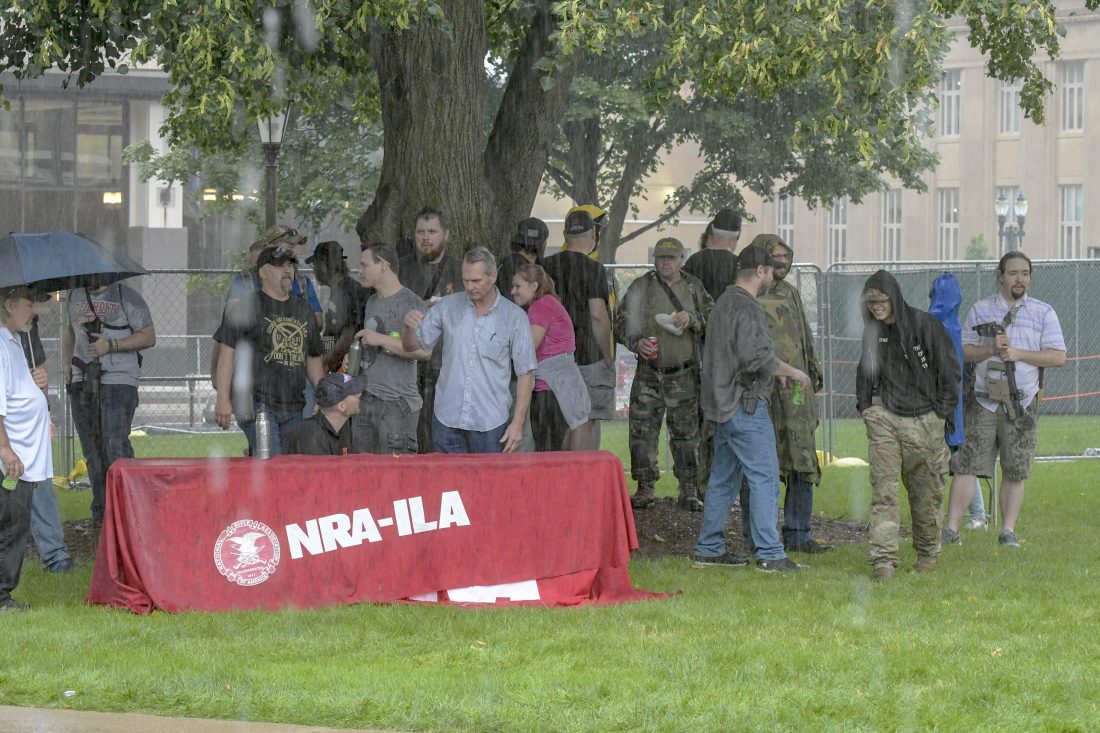
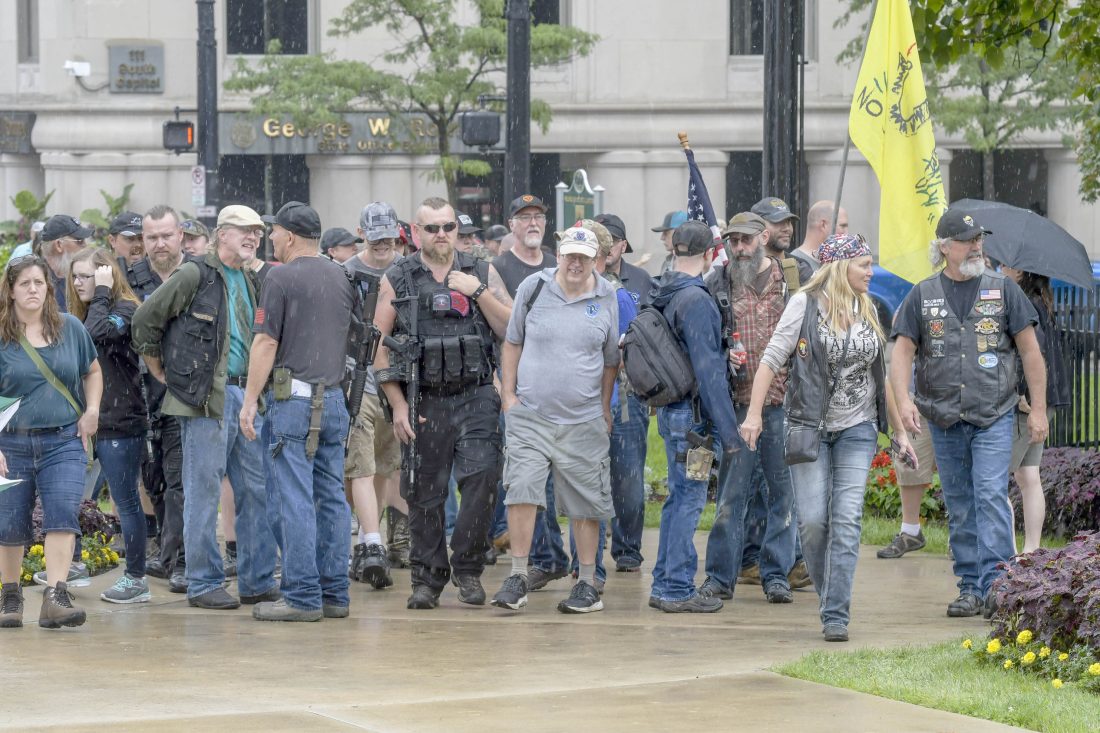
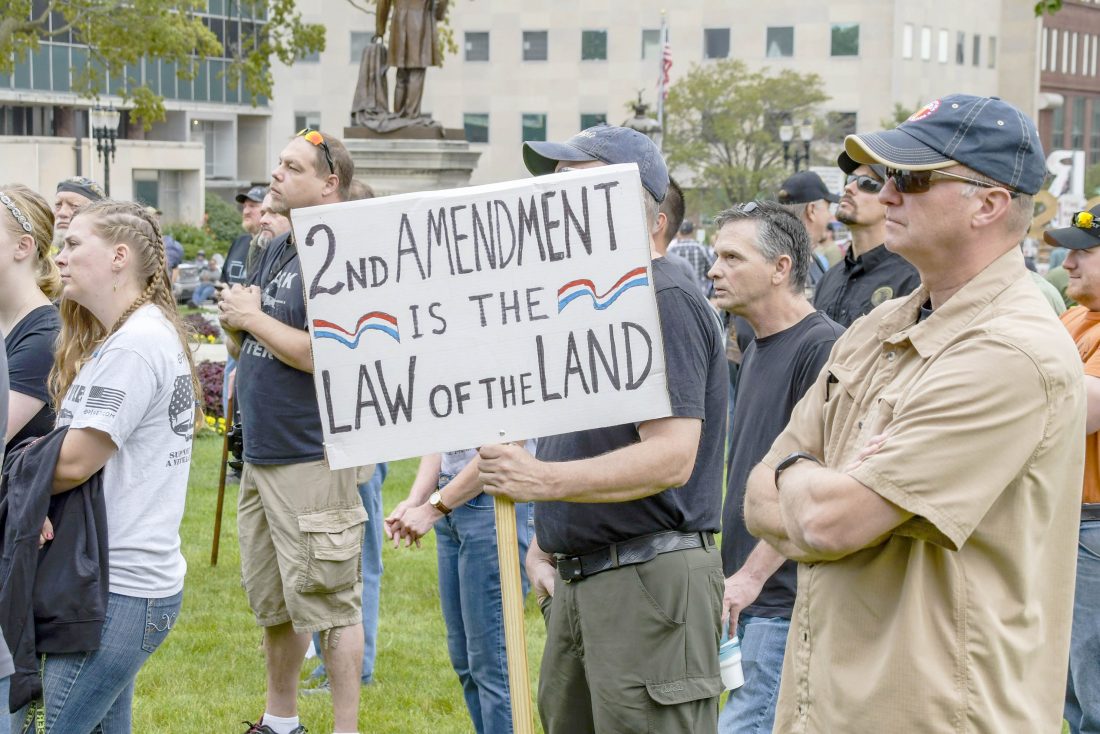
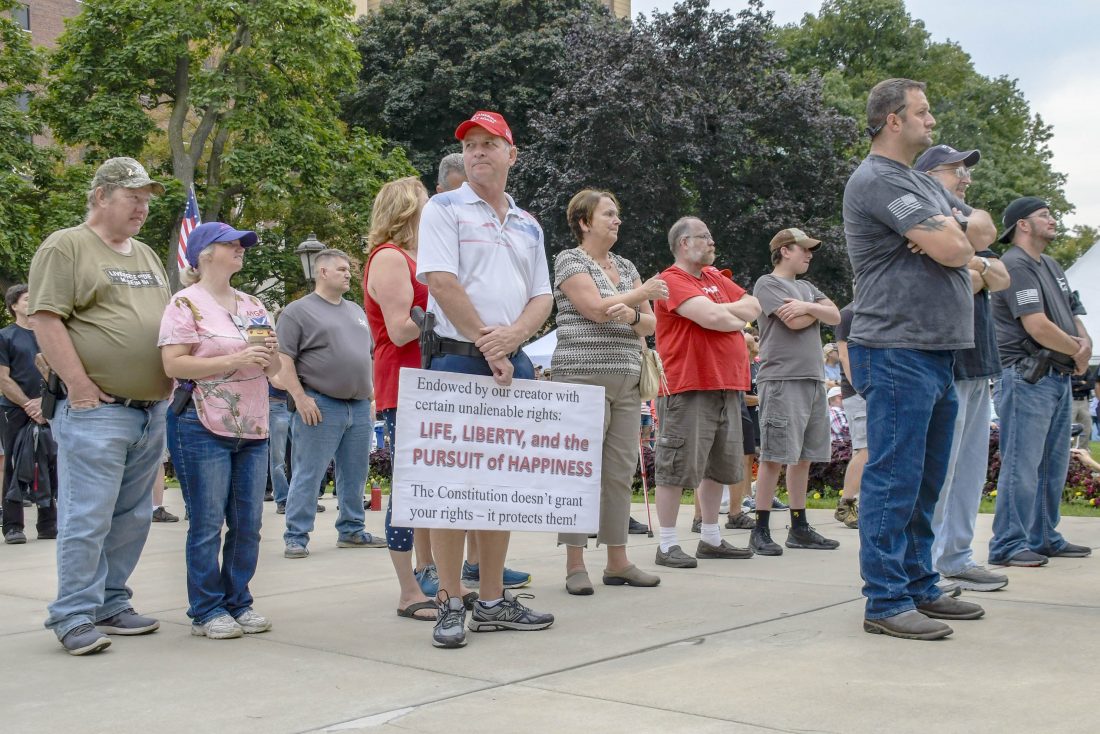
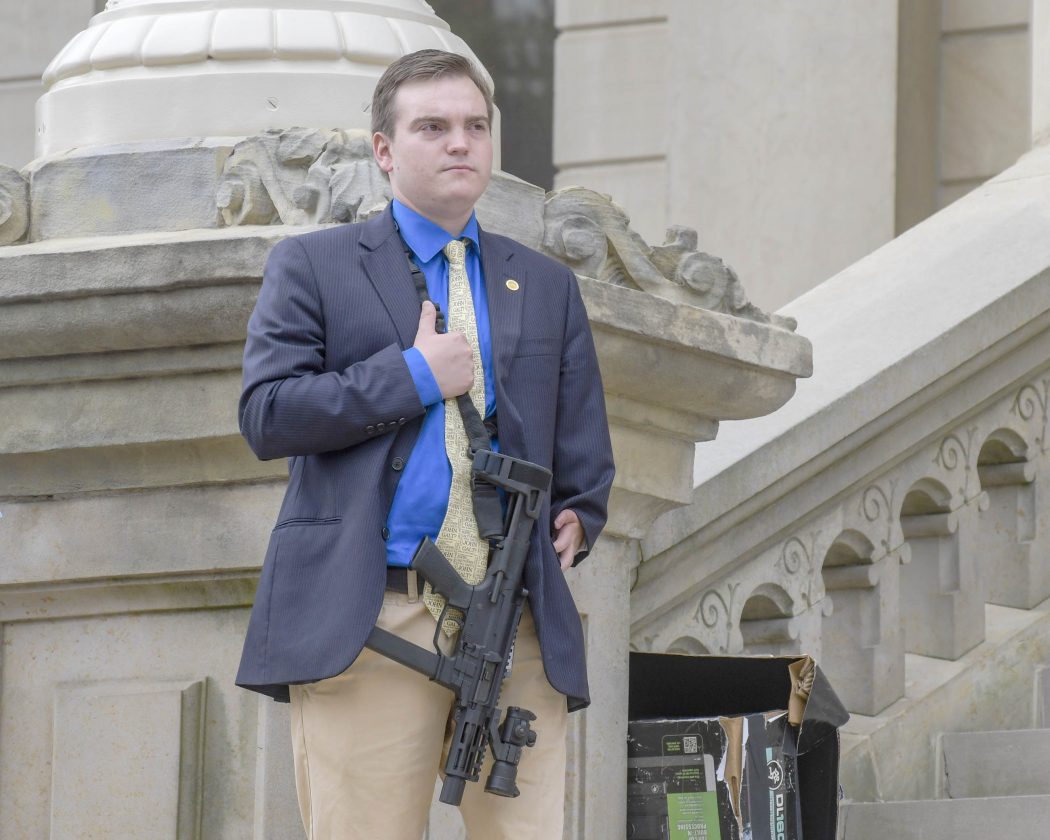
LANSING — Feeling that their constitutional rights are under attack, hundreds of gun rights advocates from around the state openly displayed firearms at the state capitol on Tuesday, while attending the 2019 Second Amendment March. This year’s speakers focused on the issues of right to open carry and red flag laws.Carrying an AR-15 on the steps of the capitol, state Rep. Beau LaFave of Iron Mountain addressed the crowd by asking, “If you have to ask the government for permission, is that a right’?”
Michigan is one of thirty-one states that allows people to open carry a handgun or long gun without a permit.
While many retail establishment owners are asking customers not to open carry guns in their stores, LaFave is introducing a constitutional carry law into legislation. He believes that the Constitution of the United States is his permit to carry.
“If they are willing to guarantee to me that if I get shot by somebody that is not allowed to have a weapon because they disarm me at the front door, are they going to pay my hospital bills?” Lafave said. “They should be held liable in civil court.”
Marcialee Maynard of Gladstone, along with a dozen members of the Delta County Gun Owners Association made an almost eight-hour drive, showing their support for the Second Amendment March. Maynard’s position, like many in her group, is that she does not want to lose the right to defend herself or her family.
A package of red flag bills were introduced in the state house earlier this year including House Bill 4283, which would allow police to take someone’s weapons if family members or law enforcement convince a judge that they are an imminent threat. Gov. Gretchen Whitmer said in a tweet earlier this week that she looks forward to signing such a measure into law. Seventeen other states have already approved similar legislation.
Joel Fulton, a resident of Battle Creek and co-owner of Freedom Firearms feels the premise of red flag laws, on the surface, is good.
“The problem is they come in without due process and take away somebody’s firearms and then that person has to prove themselves ‘fit’ to get their firearms back. It’s not proper jurisprudence and it eliminates the due process,” said Fulton.
State Rep. Gregory Markkanen is vehemently against any red flag laws, citing the need for better health services. Markkanen was rated 100% by Michigan Coalition for Responsible Gun Owners in 2018.
“We need to improve our mental health services,” Markkanen said. “We need to provide services for people that need help and I think that would resolve a lot of the issues.”
Speaker of the House Lee Chatfield issued a promise to the crowd. As long as he is Speaker of the House, he committed to preventing any bill that violates the public’s god-given right to self defense, and the right that is constitutionally secured to keep and bear arms, from passing the House chamber.
Rep. Beau LaFave stands on the steps of the capitol carrying a short-barreled, AR-style firearm.
Marcialee Maynard of Gladstone, along with a dozen members of the Delta County Gun Owners Association made an almost eight-hour drive to show their support at the Second Amendment March.
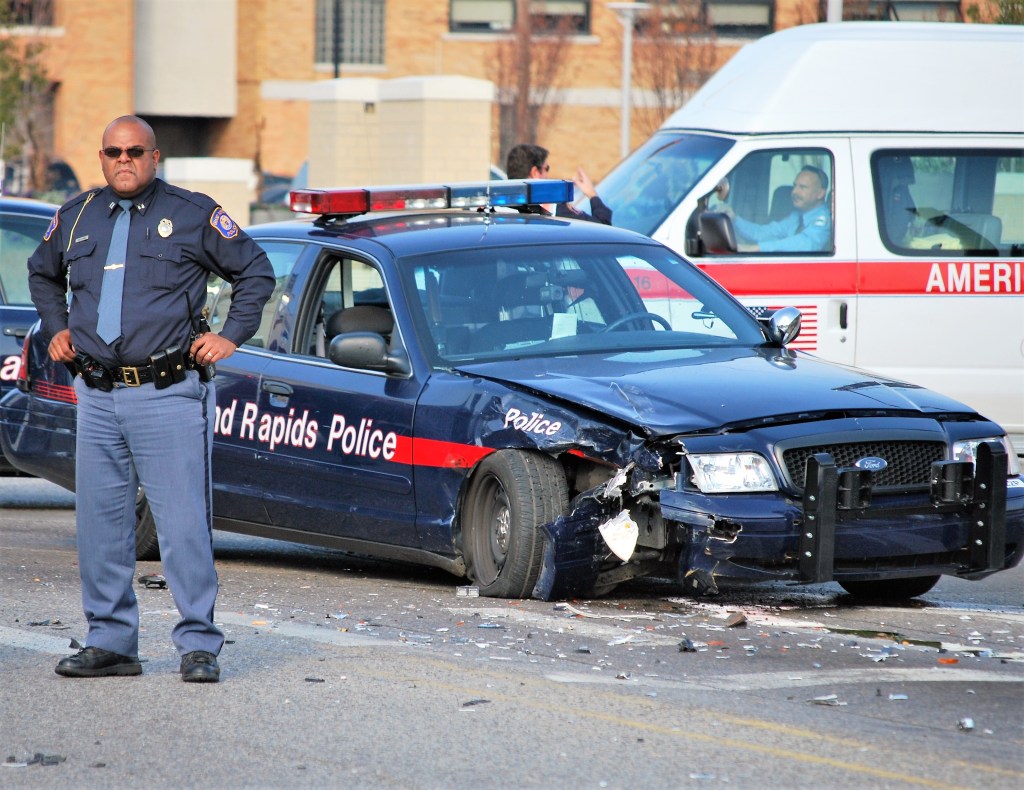
On Saturday evening Aug. 10 there was a two-car accident at the intersection of Plainfield NE and Coldbook NE that resulted in several injuries. According to Grand Rapids Police, one male was transported to an area hospital and was last known to be in critical condition. Two minors were treated at an area hospital for minor injuries and two others complained of injuries but declined medical assistance. The crash remains under investigation.
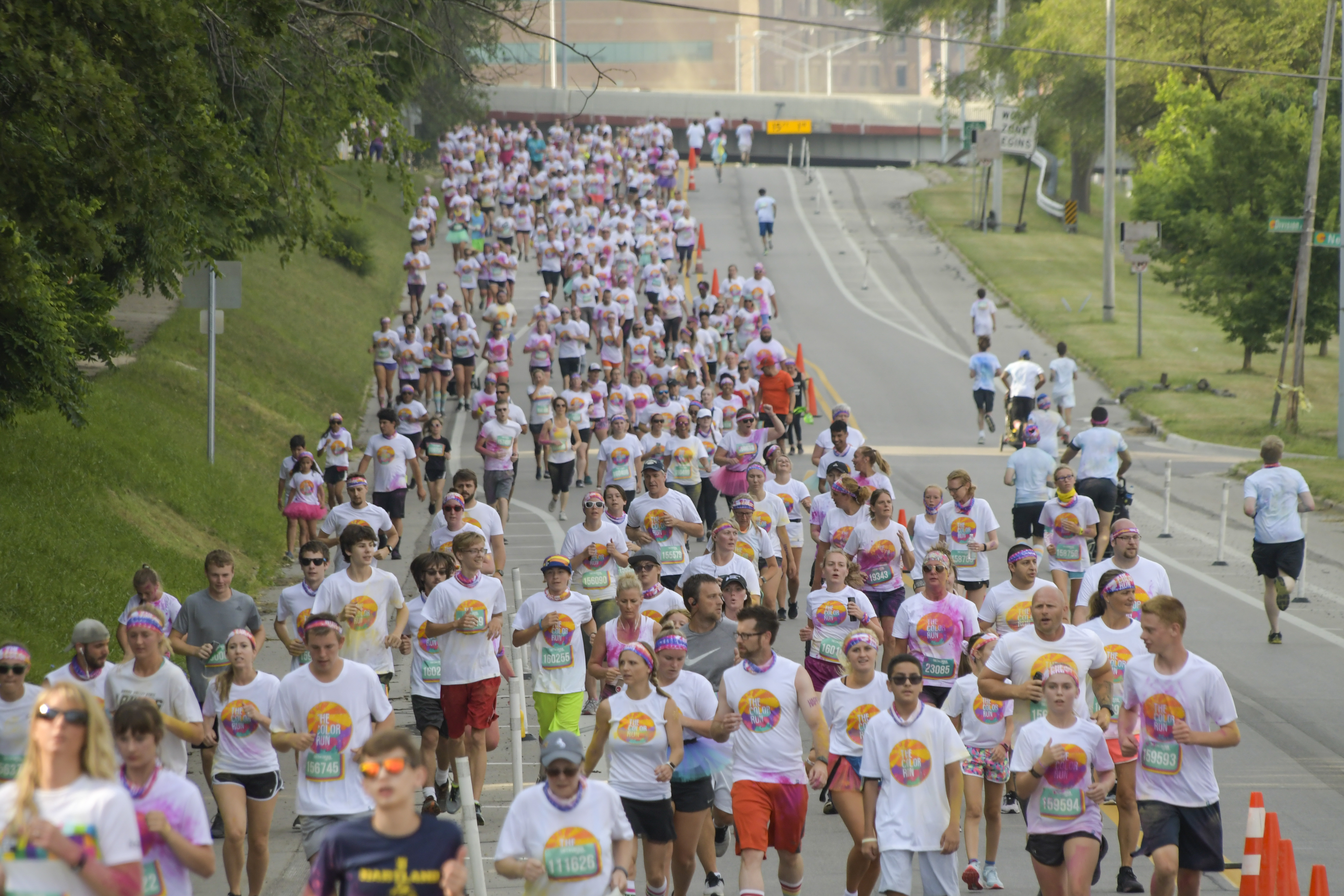
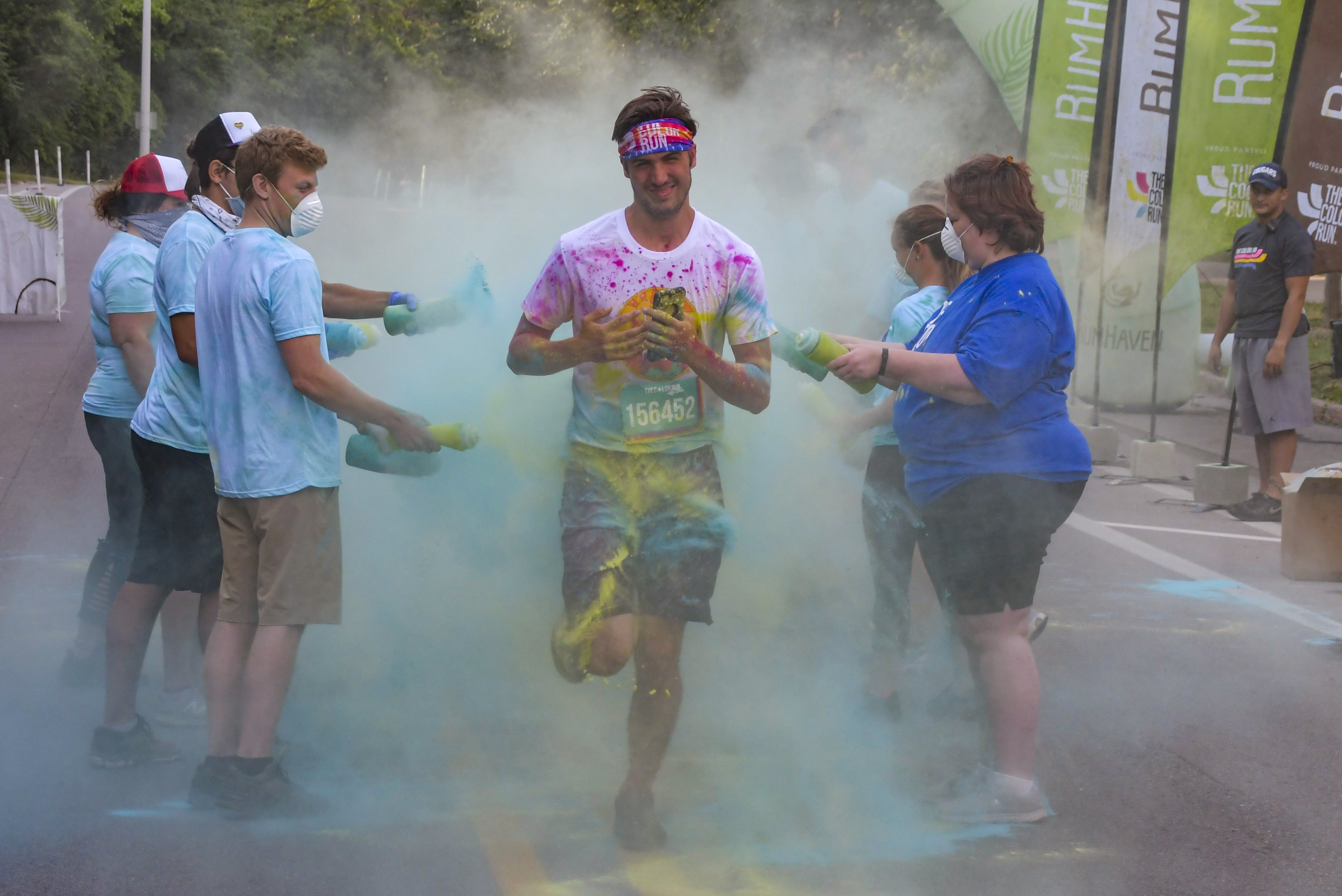
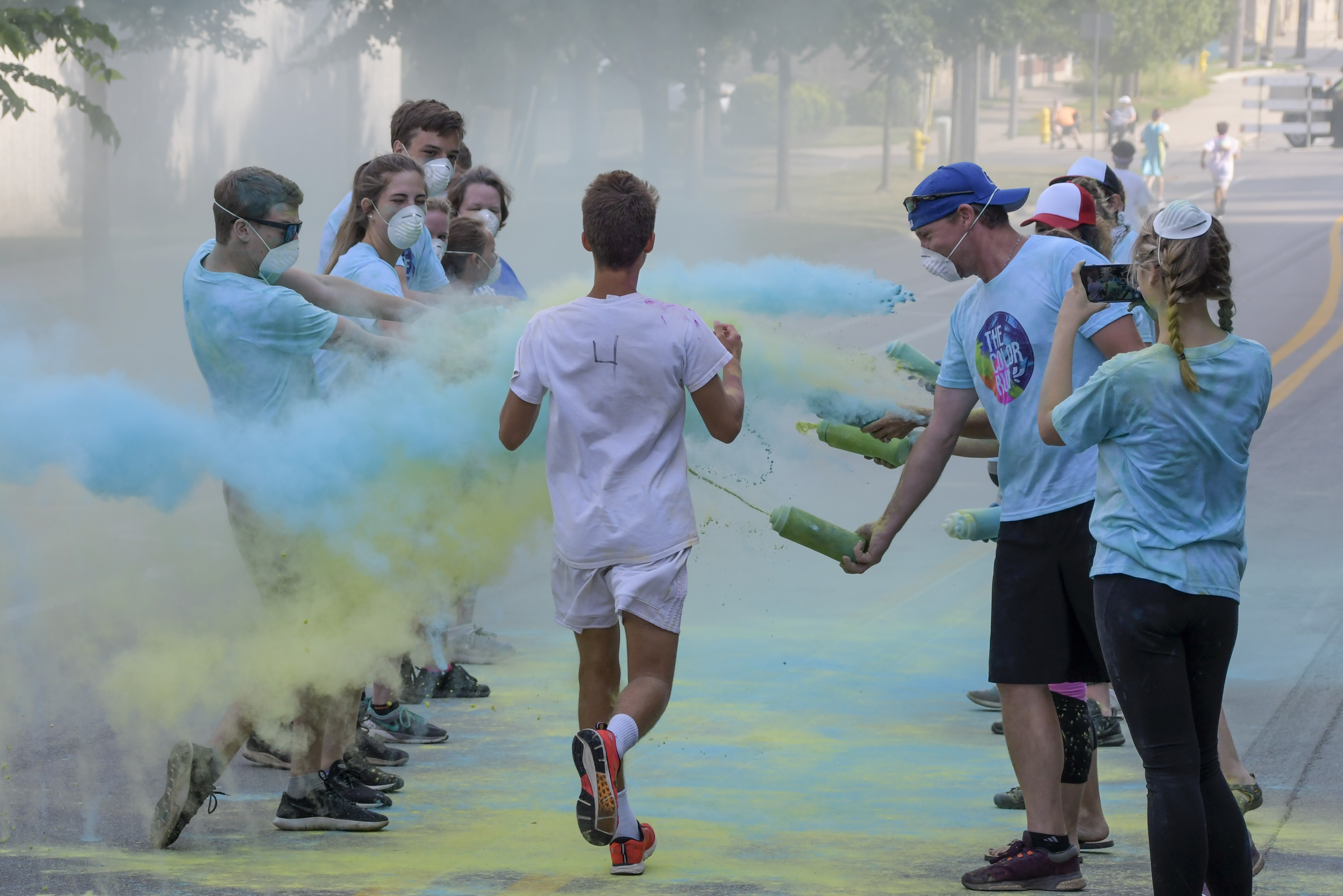
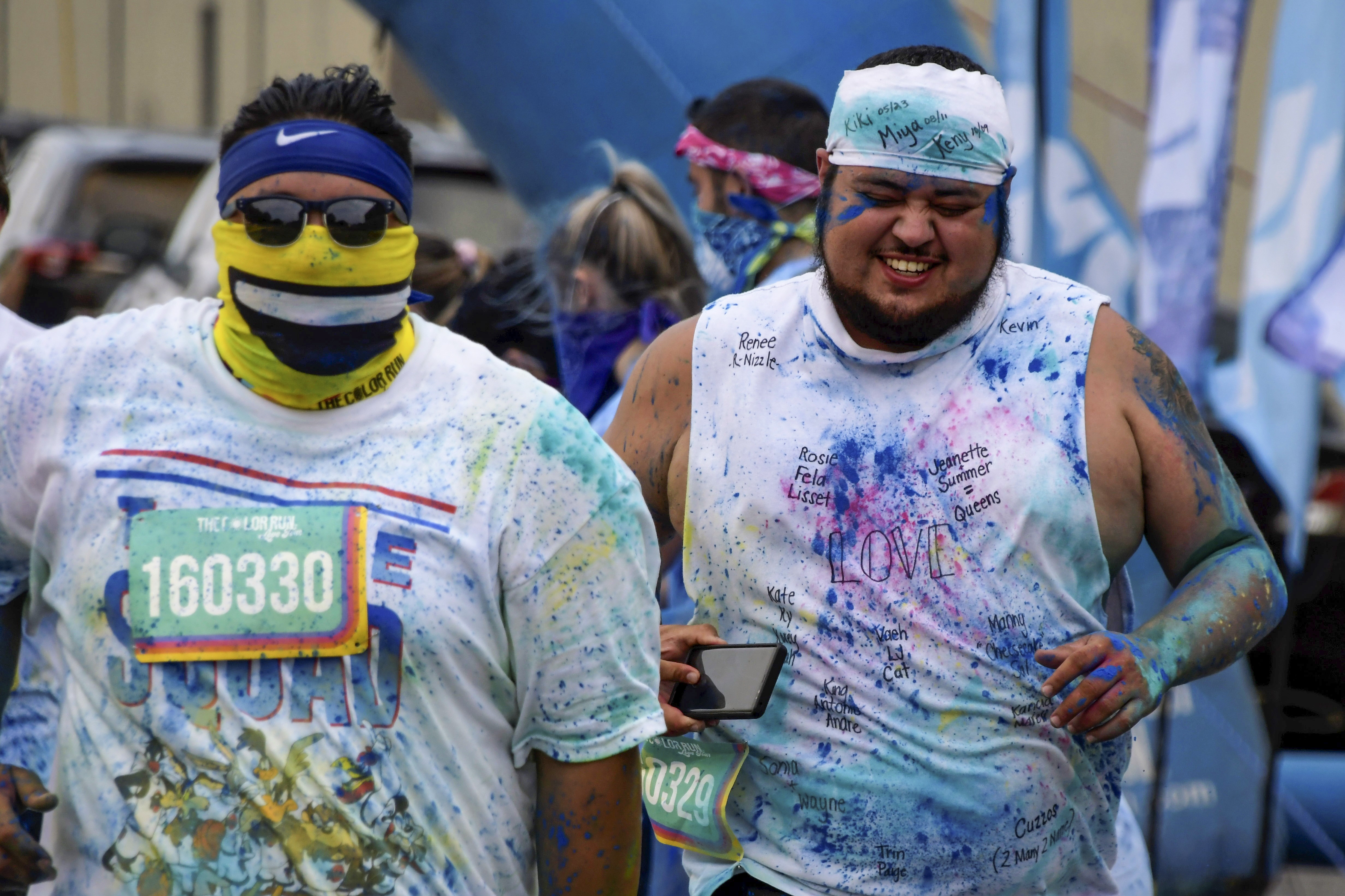
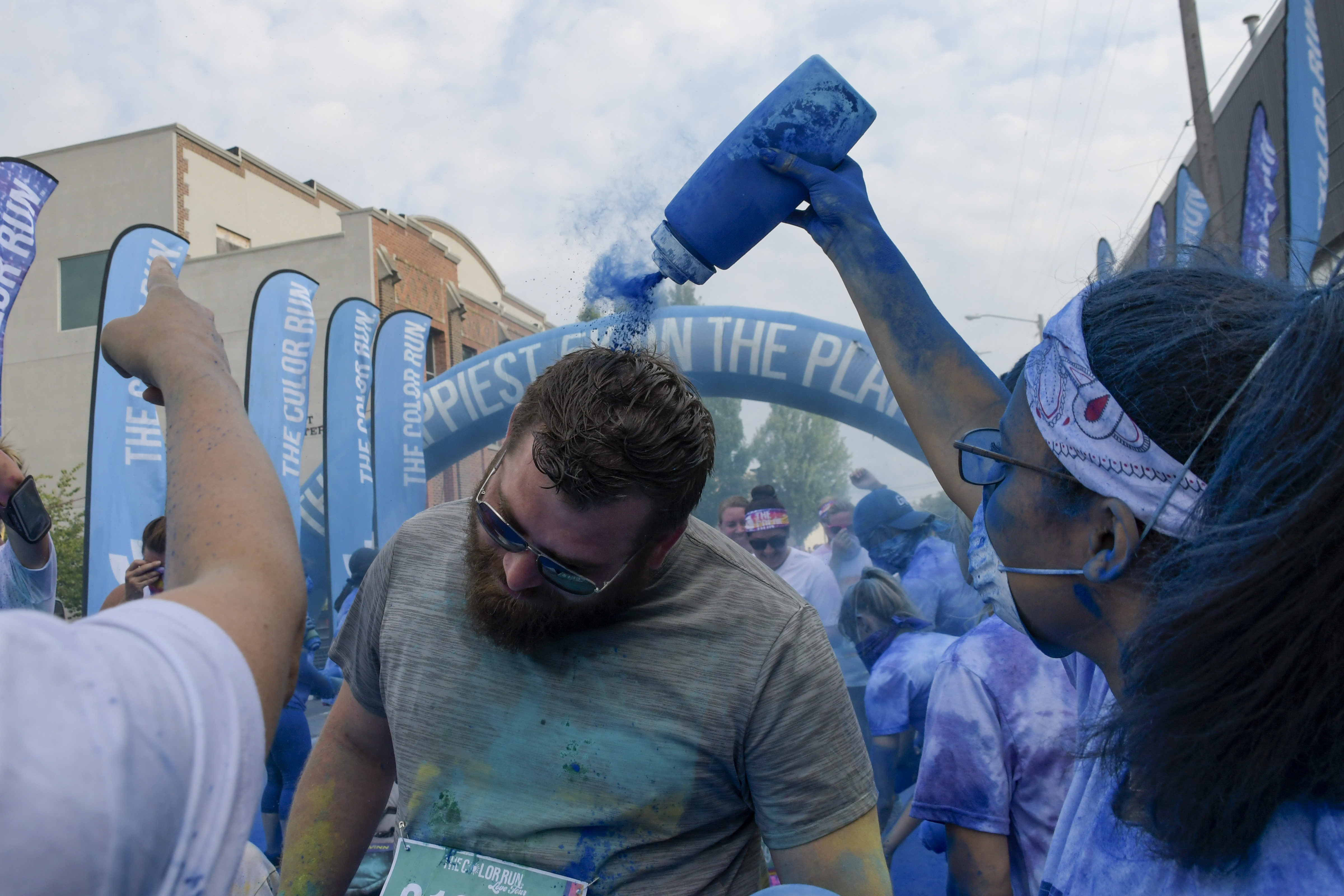
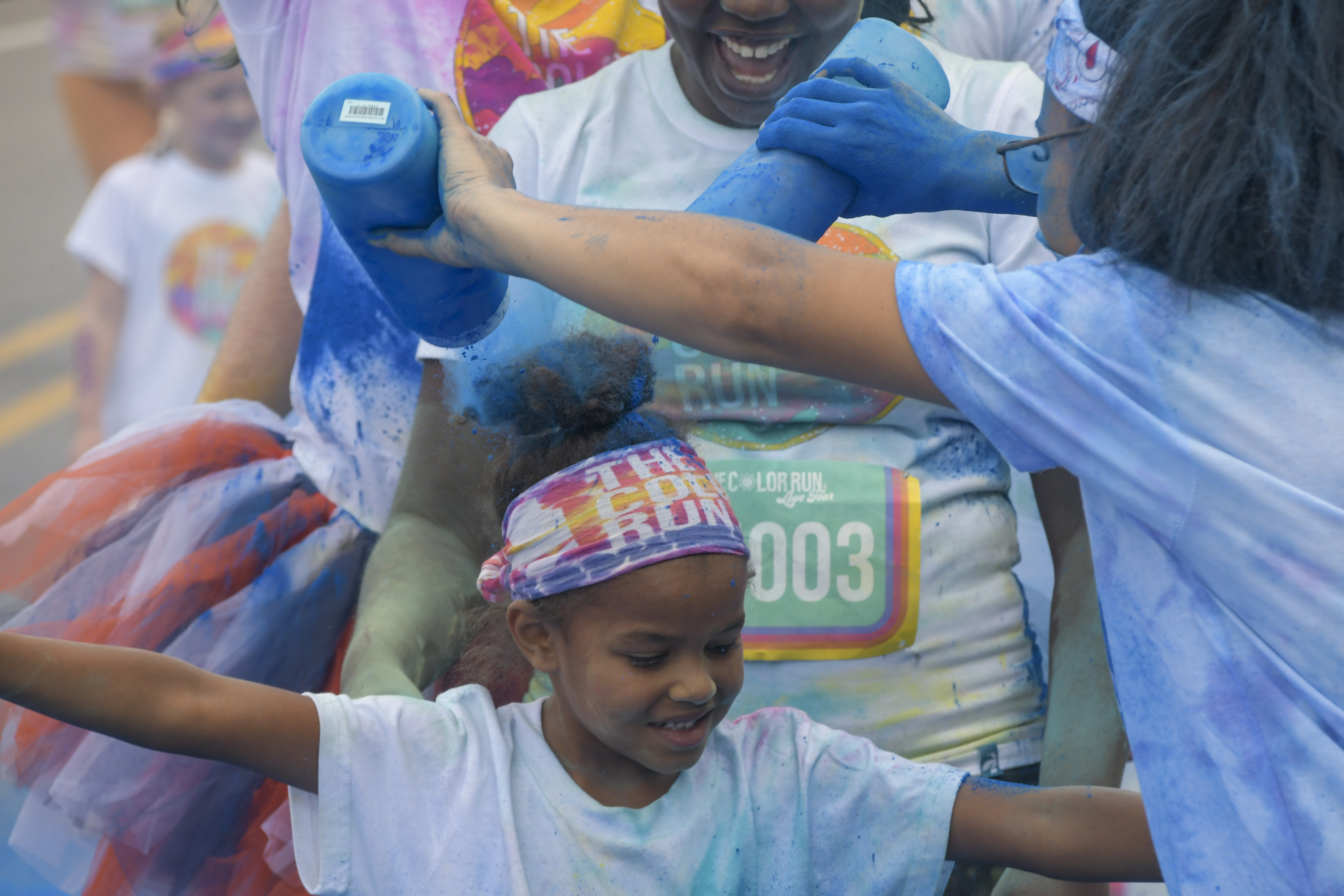
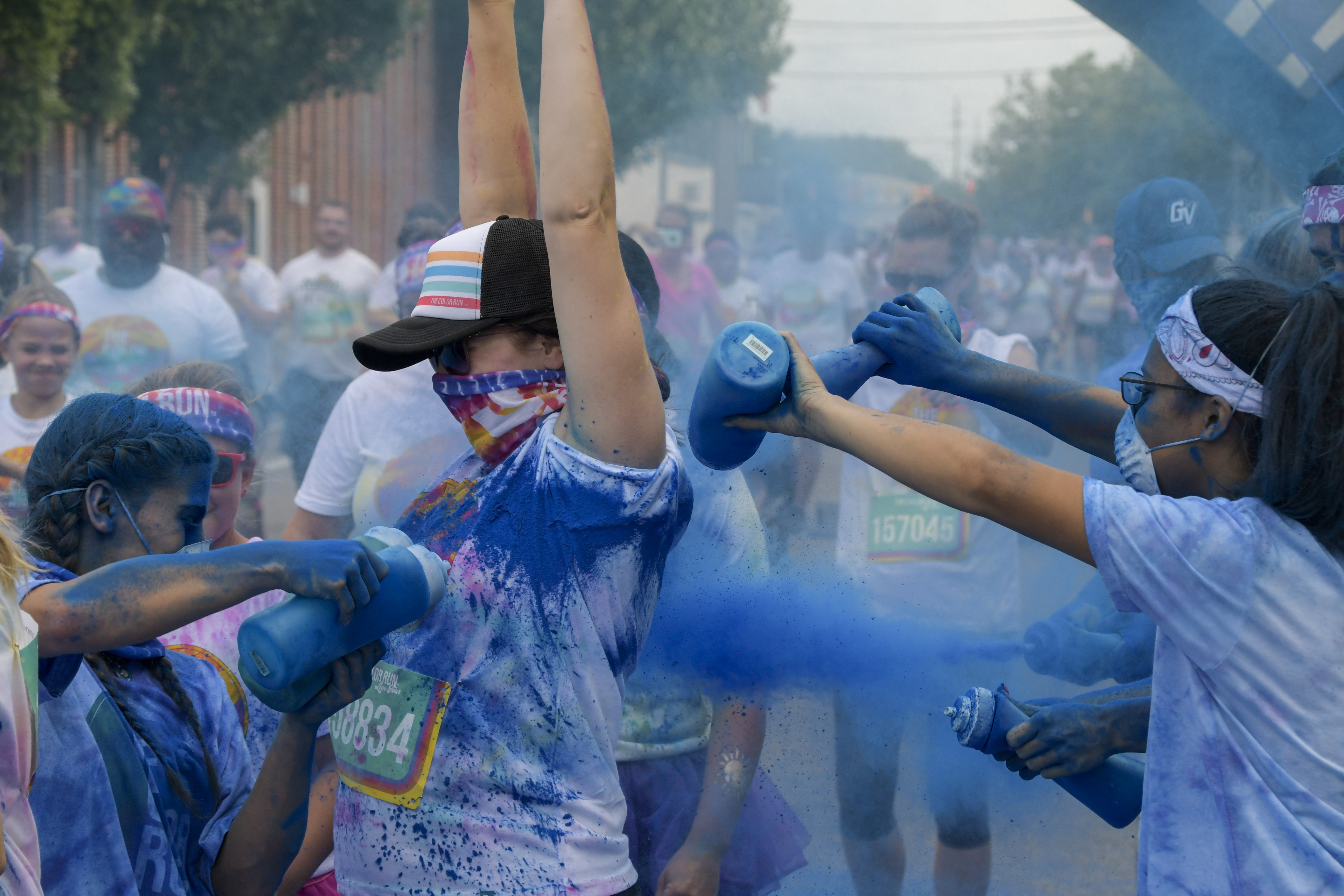
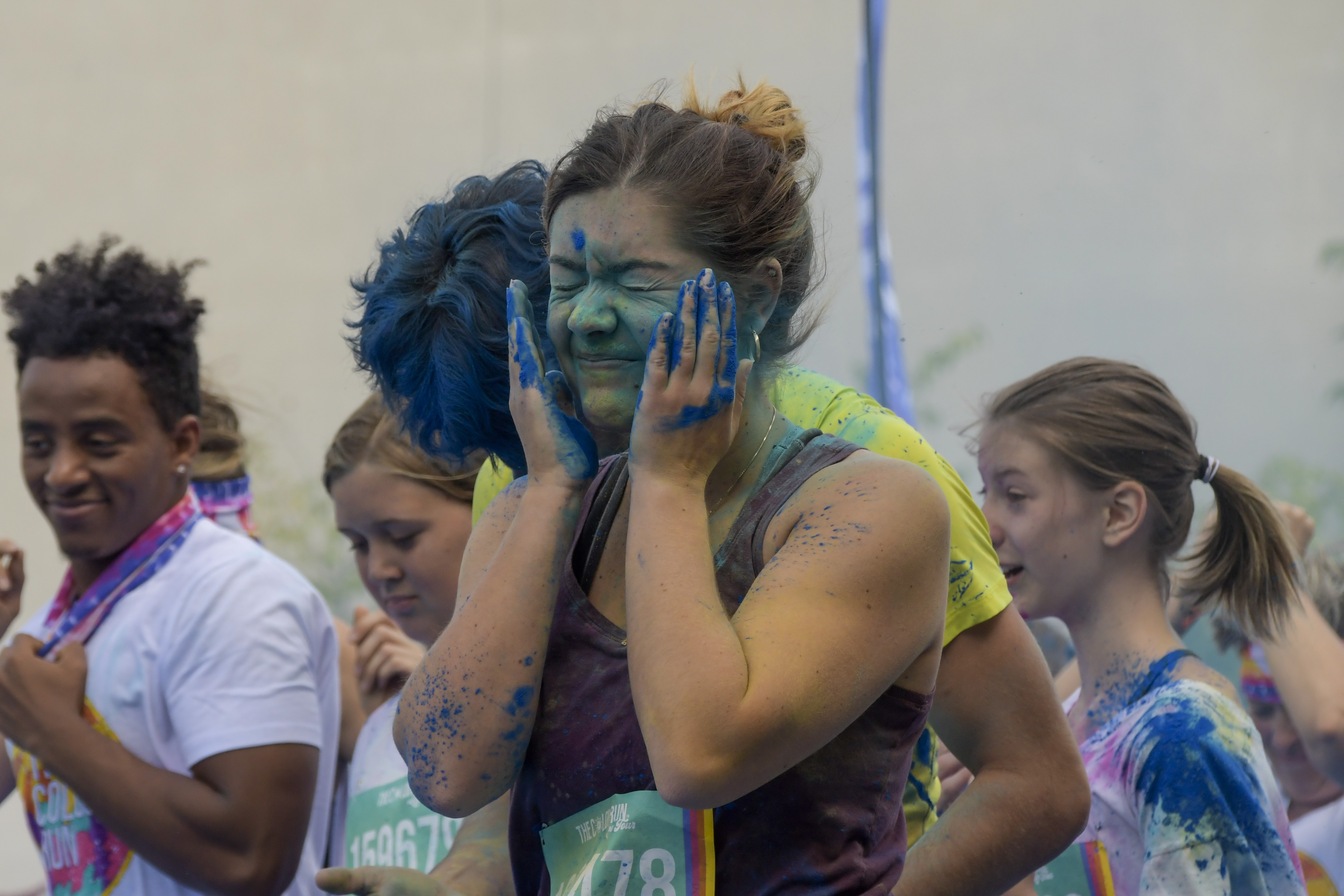
GRAND RAPIDS, Mi – The Color Run, an annual event, took place in downtown Grand Rapids on July 27. Race volunteers located at various locations along the five-kilometer course saturated the thousands of participants in different color powders.
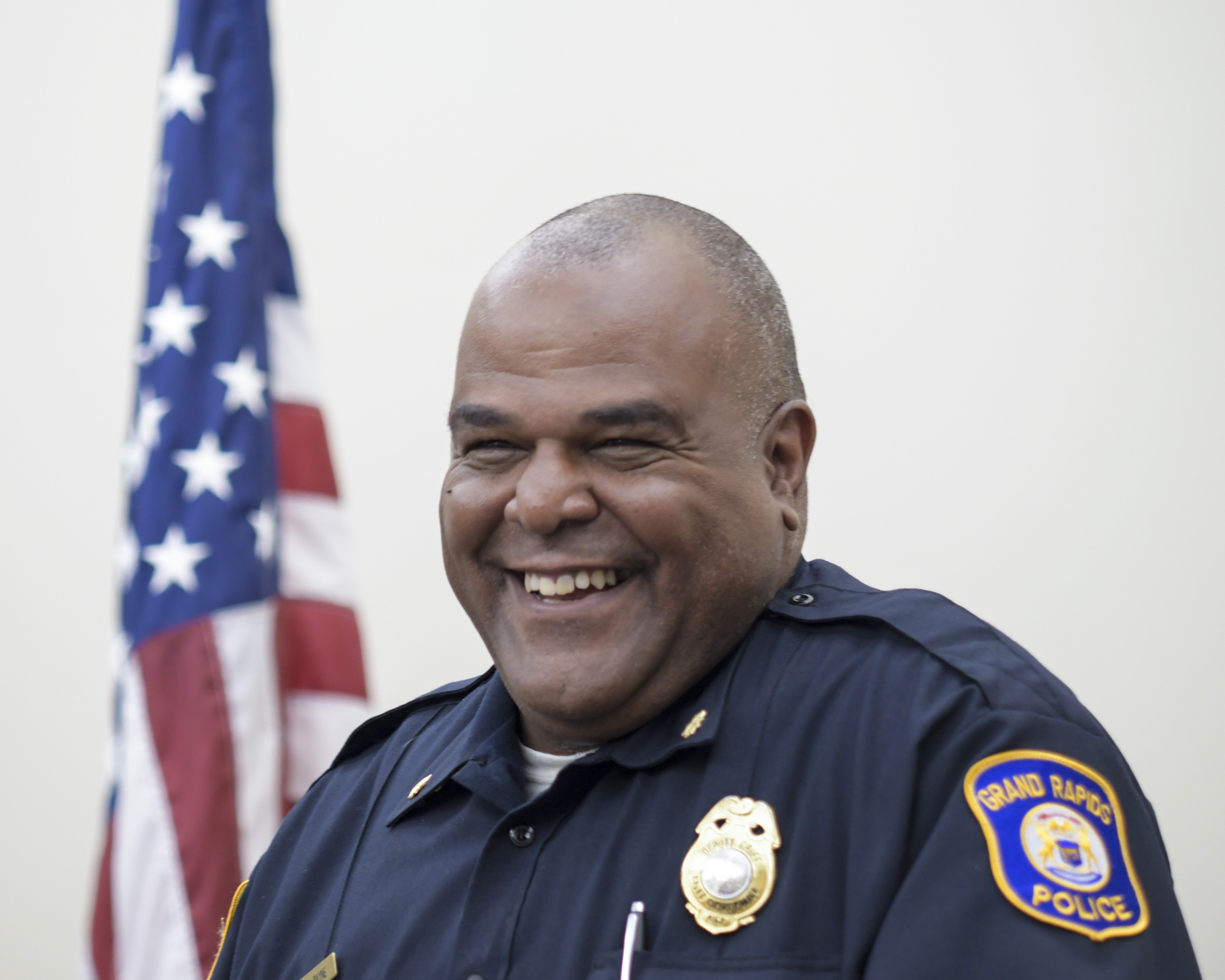
After a seven month nationwide search for a new police chief, the city of Grand Rapids has appointed from within. Grand Rapids Police Deputy Chief Eric Payne has been named to the departments top position.
City Manager Mark Washington announced his selection of Payne at a press conference held at the Grand Rapids Police Department on Friday July 12, 2019.
Payne, the city’s first black police chief, is a 32 year veteran with the GRPD. He was born in Dowagiac, Michigan and graduated from Grand Valley State University with a degree in criminal justice.
Before becoming deputy chief, Payne was captain of the Investigative Division, which includes the Detective, Vice and Forensic Services units. He previously served as captain of the South Service Area and the department’s Crisis Negotiation Team. He also served as administrative lieutenant for the South Service Area and as a patrol watch commander. He began his career as a patrol officer, hostage negotiator and field training officer.
Payne says his three top priorities are improving safety, community policing and transparency.
He will officially take over as chief on July 22, replacing former Chief David Rahinsky who retired in December and relieve Deputy Chief David Kiddle, who has been serving as interim police chief.
This is a multimedia production I did in January, 2016 for The Collegiate. GRCC’s newspaper.
Andre Pratcher always dreamed of leaving the savage streets of Chicago for a chance to play basketball. A basketball scholarship to Grand Rapids Community College has given him the chance to make the move.
Growing up on Chicago’s west side in the area of Cicero and Jackson, Andre, 23, was raised on some of Chicago’s toughest streets.
It is an area known for its gang activity and turf wars, where playgrounds are used for gang meetings and drug dealing. It’s an area where an innocent bystander can get hit by a stray a bullet. Several people Andre knew died this way.
“It was rough growing up, you had to know certain things living in Chicago, like what streets to walk down and what streets not to walk down,” Andre said. “Who’s out there, who’s not. What colors to wear and not to wear. Where to be at a certain time and where not to be. It was like that my entire life.”
Growing up, Andre had to wear his brother’s hand-me-downs. Never having a room or a bed for himself, he would sleep on the floor in the hallway.
“Part of my motivation growing up was to get my own room and bed,” Andre said.
When staying at his cousin’s house in the Rockwell Projects they had to sit on the floor and could not sit on the couch or the bed because of the fear of bullets coming through the windows.
There was no pizza delivery because drivers would often get robbed. The police would not come unless they arrived in multiple cars for fear they would get shot at.
The youngest son of Wanda Pratcher, Andre lived with his mother and two siblings, brother Cornelius Brown and sister Juanita Pratcher.
Cornelius took to the street life, rising up in the ranks of a local gang. He has now served 10 years of a 50-year prison sentence for homicide.
”My brother always told me not to follow in his footsteps,” Andre said.
With a mother who knew how dangerous the city was, she protected him as much as possible.
“Mom kind of overprotected me,” Andre said. “I wanted to go to a party one time and my mom would not let me go. I heard the next day it got shot up.”
With his mother insisting that he go to school every day, Andre would ride the Chicago Transit Authority 45 minutes each way to get to Roberto Clemente High School, where he also played basketball.
“Basketball kept me out of trouble in high school,” Andre said, “It was go to school and then basketball practice.”
Roberto Clemente High School not only gave Andre an athletic opportunity and a solid education, it also introduced him to his history teacher and mentor, Ozni Torres.
“I want to tell Ozni Torres thank you,” Andre said. “He is the person that changed me.”
Torres was the first person to take Andre outside of his neighborhood and show him what life was like outside of the “hood.” This included a trip to the Illinois Holocaust Museum and Education Center in Skokie, Illinois.
“He was never too proud to take and listened carefully to what was told to him,” Torres said. “He was no wide-eyed fool either, having grown up on some mean streets in his northwest-side neighborhood. It is that rare combination that made me gravitate toward him and attempt to expose him to what his city had to offer.”
That exposure, along with the life-changing moment of seeing his friend shot in front of him, fall to the ground and lie there with blood coming out of his mouth, had Andre dreaming of leaving the city even more.
“It made me look at life,” Andre said. “Live it every day, you never know when it will be taken from you.”
Andre and his cousin Elton Buie would always talk about leaving Chicago and playing basketball somewhere. Buie would leave but not the way he wanted to.
On Aug. 1, 2015, a week before Andre was to leave Chicago and head to GRCC, Elton was shot in the head. He died two days later.
“He wanted to leave so bad to play basketball,” Andre said. “I am living his legacy.”
That legacy and dream has taken him to Grand Rapids. Former GRCC student and basketball player, Greg Fleming, a friend of Andre’s, told him about the city of Grand Rapids and GRCC.
“It sounded real nice,” Andre said. “I came to visit the city and school and fell in love with it. Grand Rapids is a different vibe than the city of Chicago.”
Living just outside the city in Comstock Park, Andre shares a sparsely furnished apartment with teammates Myles Ervin and Abdul McGraw.
“All I have is an air mattress and my clothes,” Andre said. “I don’t need a TV or a Playstation, I am down about school and basketball.”
School and basketball keep Andre busy. His typical day consists of getting up at 5 a.m. so he can catch the bus to be at GRCC by 7 a.m. A part-time on-campus job, classes, practice and library study time keep him on campus until 10 p.m.
“The number one motivation is not being in Chicago,” Andre said. “I am a strong person mentally because of the things I have been through.”
In Chicago they say to keep everybody close to you because you don’t know when that last moment with someone is going to be.
Andre has had a lot of last moments and has lost count of how many people he has lost and is unsure of how many more he will lose.
“When I get on Facebook I see a lot of rest in peace for so and so,” Andre said. “I am getting tired of seeing that.”
Although he’s not sure exactly what he wants to do after college, Andre knows that he wants to help inner-city children.
“I want to show them how big the world really is and not how big their block is,” Andre said. “I want to change their perspective of how everything is in this world.”















 Media Works of John Rothwell