Michigan Lawmaker Proposes Civil Immunity for Police Amid Schurr Trial

State Representative James DeSana, R-Carleton, held a press conference Monday morning, April 28, in front of the Kent County Courthouse to unveil House Bill 4404

Grand Rapids, MI -As former Grand Rapids police officer Christopher Schurr stands trial for second-degree murder in the 2022 shooting of Patrick Lyoya, a Michigan state lawmaker is pushing for new legislation that would shield police officers from civil lawsuits when cleared of criminal wrongdoing in self-defense incidents.

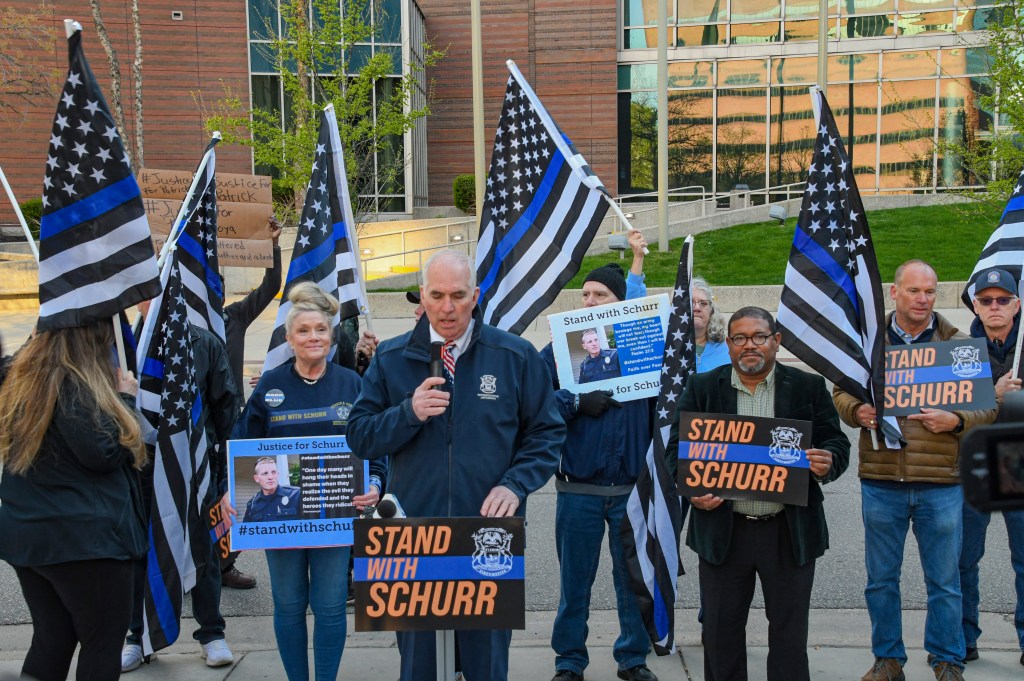
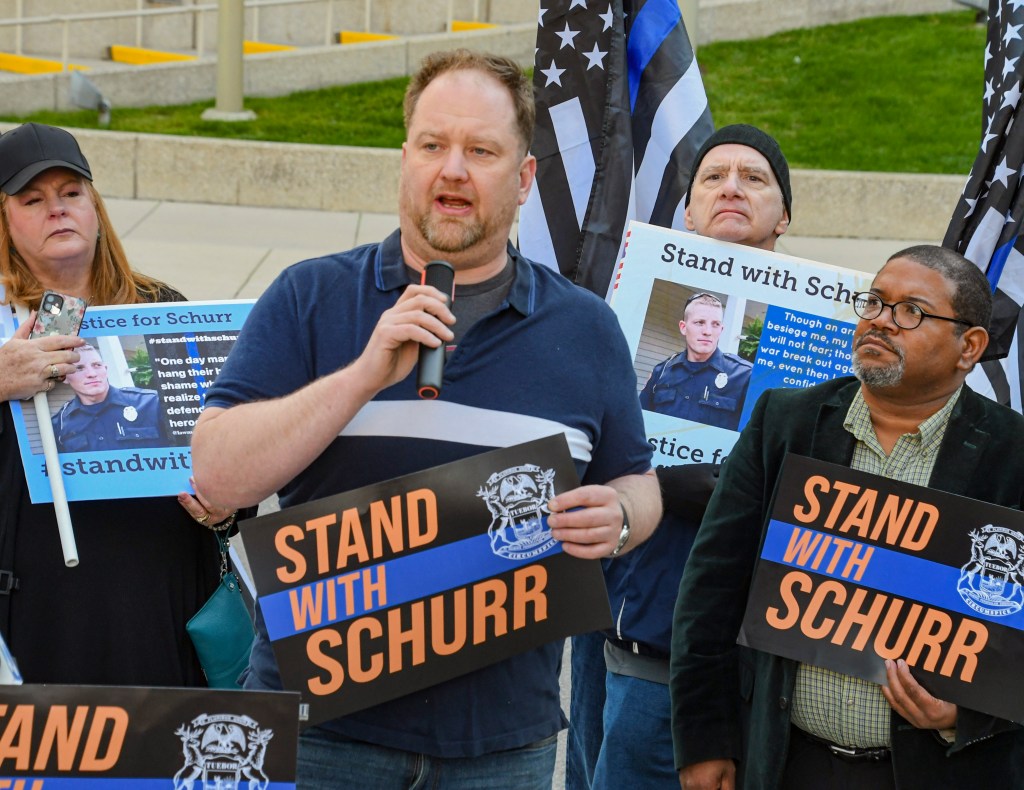
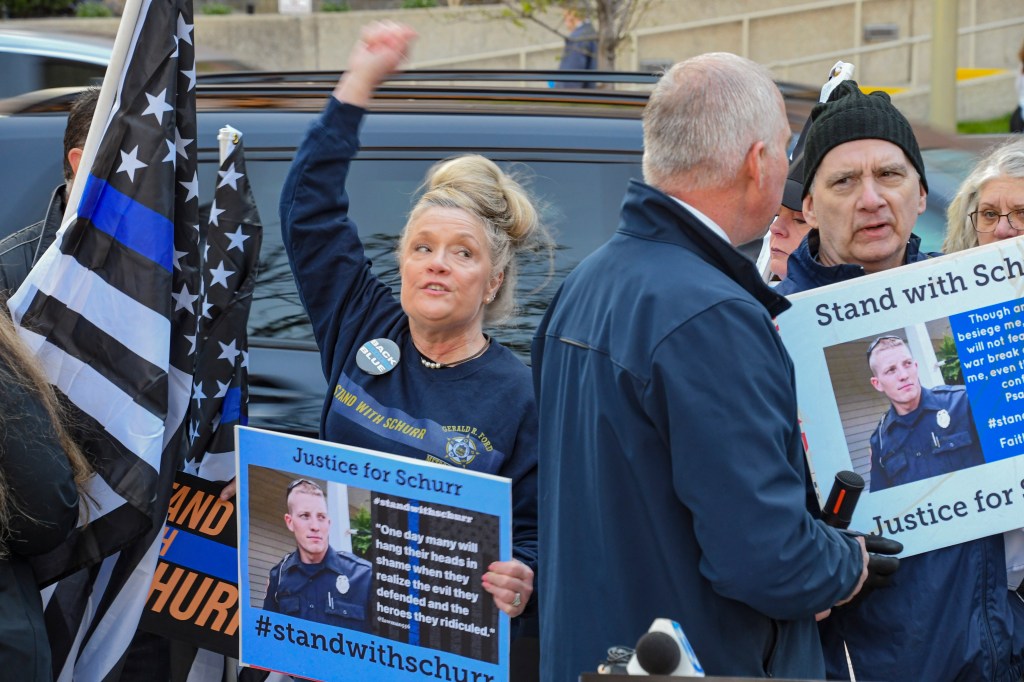
State Representative James DeSana, R-Carleton, held a press conference Monday morning, April 28, in front of the Kent County Courthouse to unveil House Bill 4404. The proposed legislation would create a presumption of civil immunity for individuals—especially law enforcement officers—who use force in self-defense and are found not guilty or not charged in criminal court.

Schurr is accused of fatally shooting 26-year-old Patrick Lyoya, a Congolese immigrant, during a traffic stop that escalated into a physical struggle over the officer’s Taser. Schurr shot Lyoya in the back of the head while on top of him.

“This officer does not deserve what is happening to him today,” DeSana said during the announcement. “We are here to stand with him and every police officer in the state of Michigan.”

Bill Would Shift Burden in Civil Cases

Under current Michigan law, even if a person is cleared of criminal charges, they can still be sued in civil court. House Bill 4404 aims to reverse that presumption by shifting the burden of proof onto the plaintiff.

“It will make Michigan self-defense protections among the strongest in the nation,” said DeSana. “House Bill 4404 fixes the current system by creating a presumption of civil immunity after a favorable criminal outcome.”

The bill also promises full recovery of legal costs for defendants found immune—including attorney fees, court costs, and lost wages. It further expands protections to include threatened use of force, which current laws do not clearly address.

Catholic Teaching Cited

In a unique turn, DeSana cited the Catechism of the Catholic Church to defend Schurr’s actions. He pointed to Articles 2263, 2264, and 2265, which describe self-defense as both morally legitimate and, in some cases, a grave duty—especially for those tasked with protecting others.

“These exact circumstances existed for Officer Christopher Schurr,” DeSana said. “A person didn’t comply with an officer’s repeated orders, engaged the officer violently, and tried to take his Taser. This is not the result any of us want, but self-defense in such cases is morally justified.”

DeSana also recounted advice given in his own concealed pistol license class, where police officers instruct civilians to aim for the center of mass and eliminate the threat when faced with imminent danger.

Schurr Supporters Speak Out

DeSana was joined by Adam de Angeli, founder of the Coalition to Rescue Michigan. De Angeli strongly criticized the prosecution of Schurr and questioned why the case had advanced to trial at all.

“Christopher Schurr is an innocent man, and the video evidence proves it,” de Angeli said. “Patrick Lyoya disobeyed every command the officer gave, fought him hand-to-hand, and attempted to take his Taser—a deadly weapon in unlawful hands.”

He warned that the prosecution could have a chilling effect on law enforcement officers across Michigan.

“Every police officer in Michigan will pay the price for this,” he said. “They’ll fear that using their own weapon in self-defense might destroy their career and life. That’s a public safety concern for every citizen.”

Public Reaction Mixed

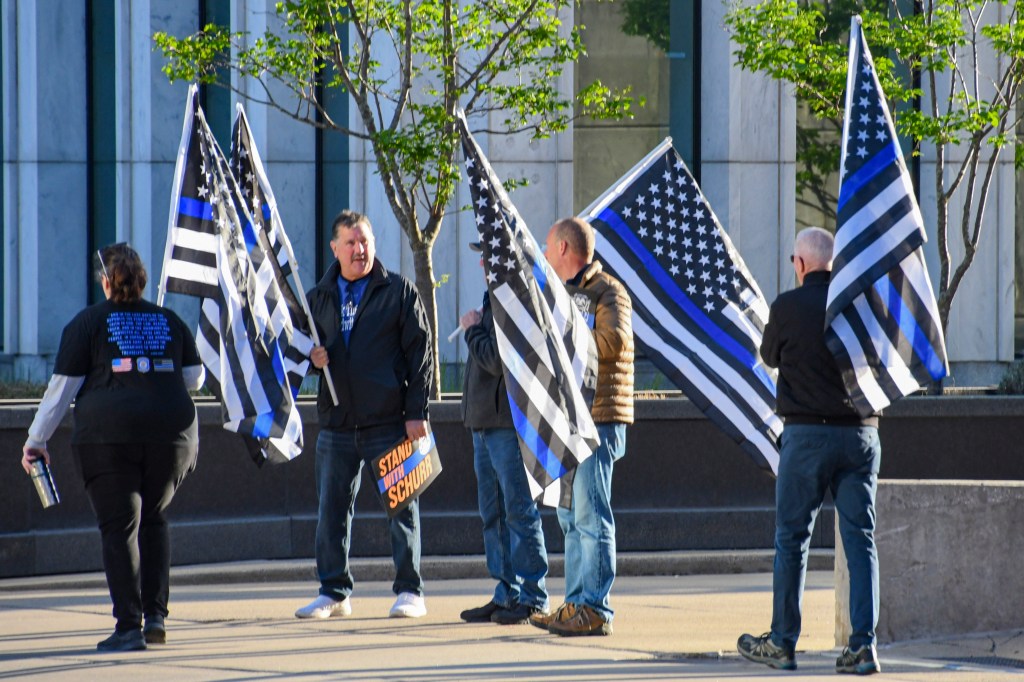
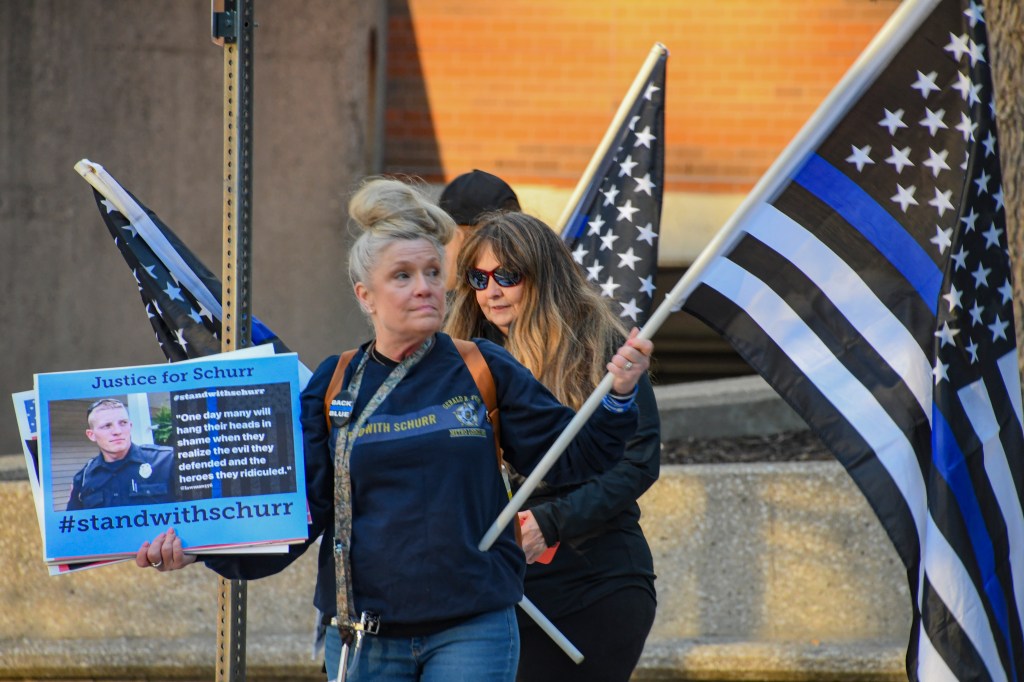
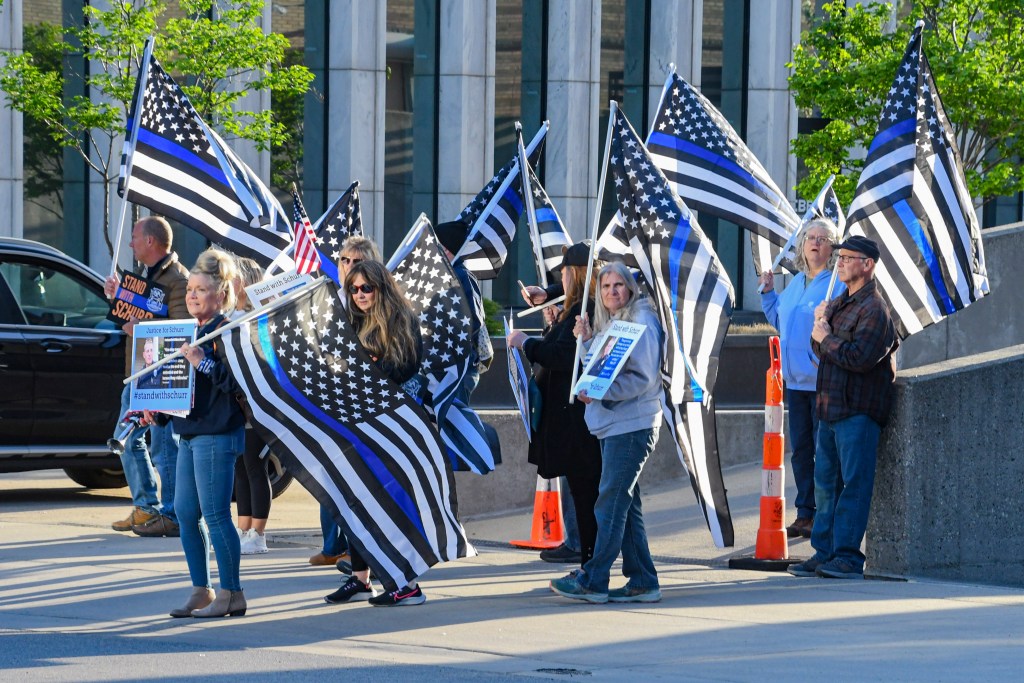
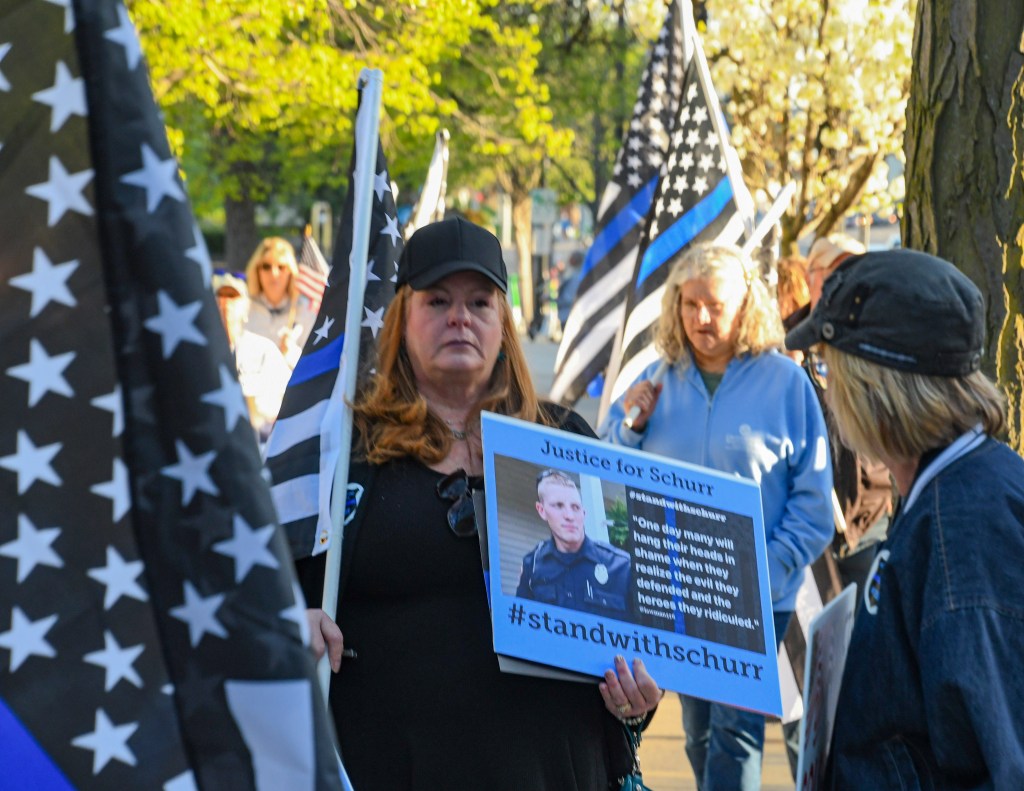
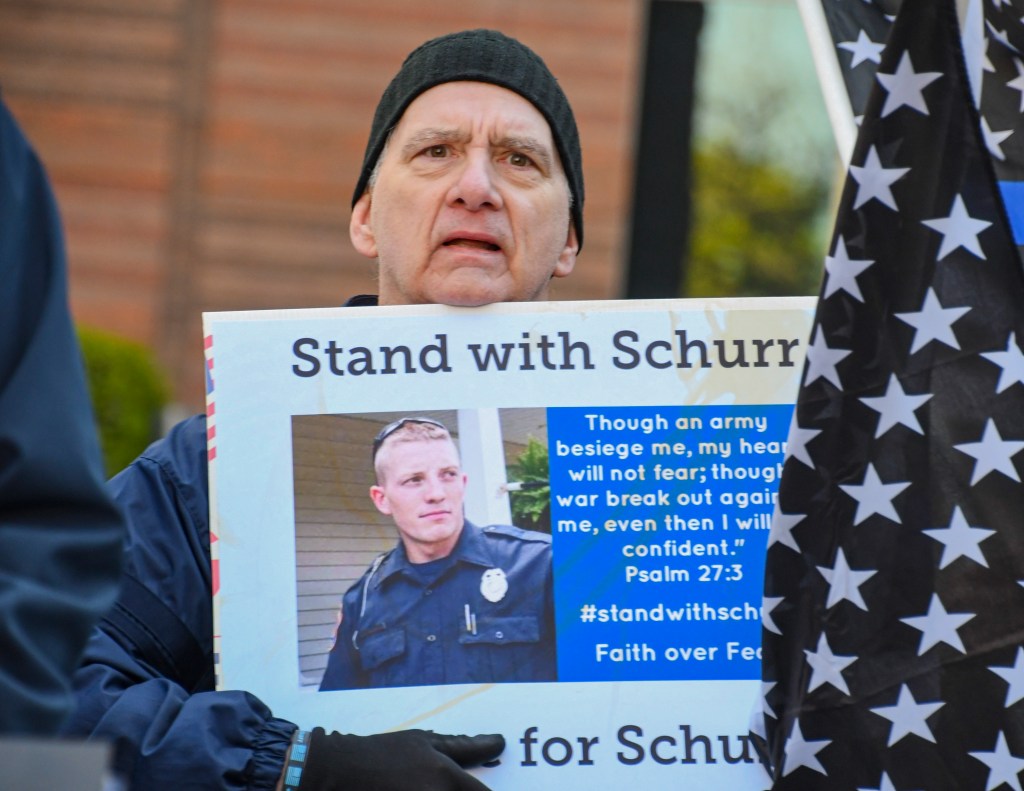
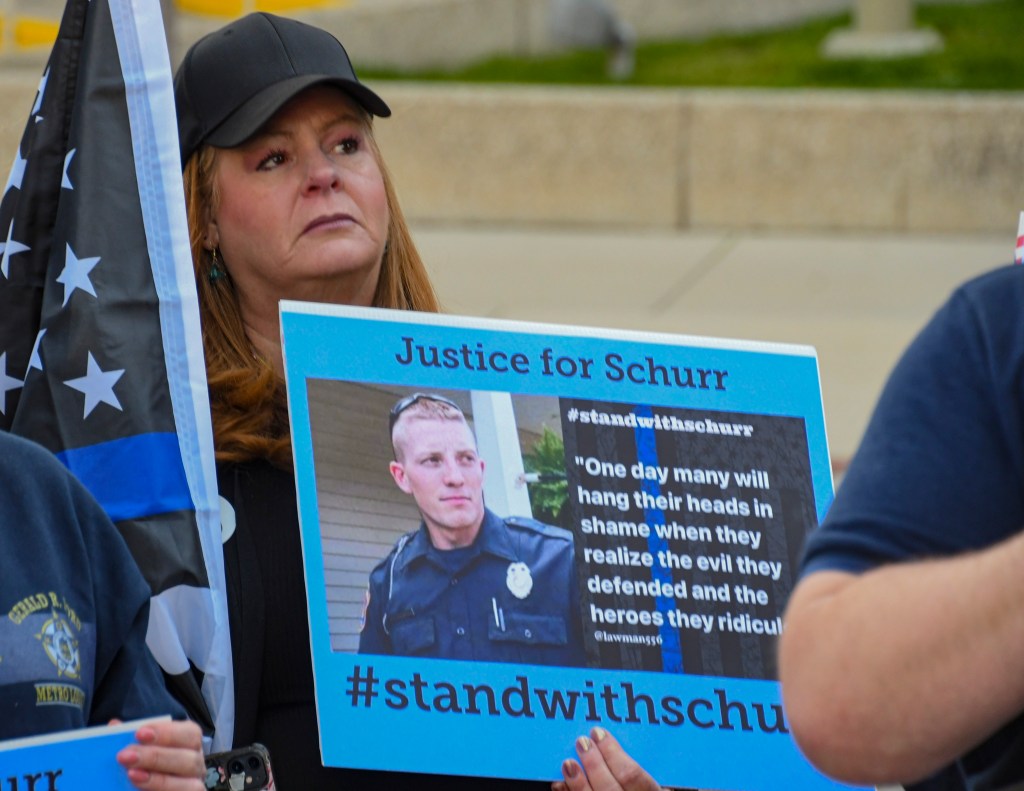
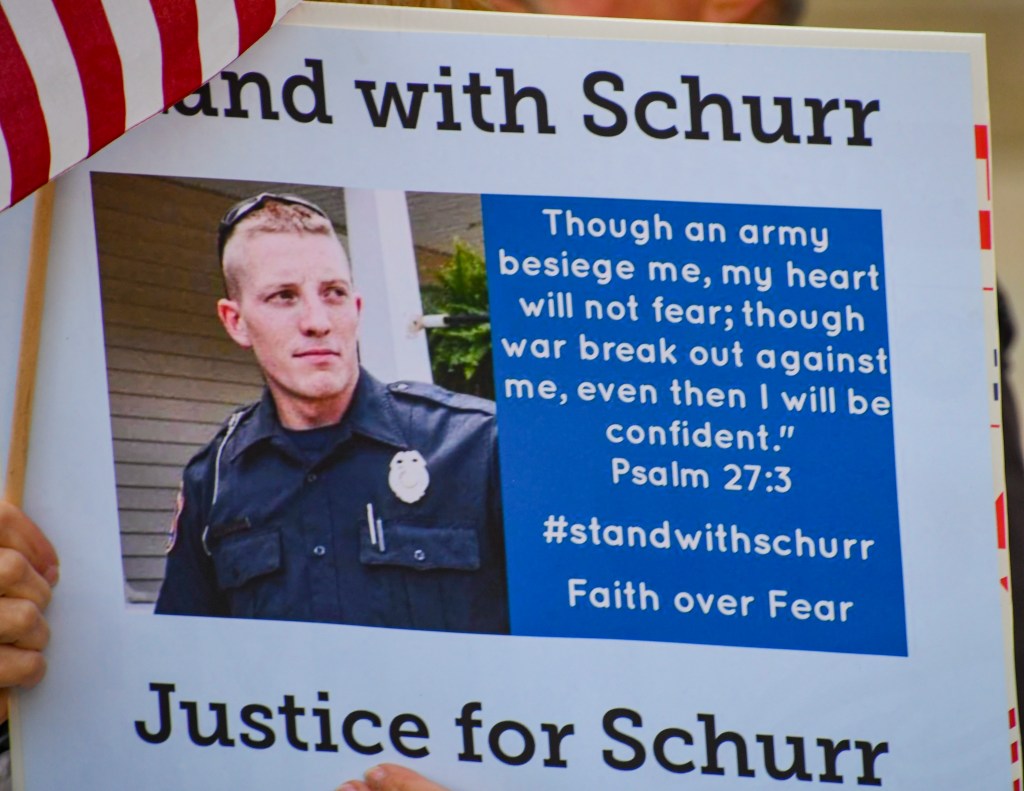
About a dozen supporters, many holding “Back the Blue” flags, gathered alongside DeSana during the press conference. Afterward, they lined the sidewalk outside the courthouse to show support for Schurr. Some passing drivers honked in solidarity, while others voiced their opposition.
The case continues to polarize the Grand Rapids community. Many civil rights advocates view the shooting as unjustified and argue that Lyoya, who was unarmed, should not have been met with lethal force. They are also deeply concerned about the proposed legislation.

“This bill would create a legal shield that lets bad actors in law enforcement avoid consequences,” said one protester outside the courthouse. “If you can’t sue, even when the system fails to convict, what recourse is left for victims and their families?”

What Comes Next

House Bill 4404 has not yet been formally introduced in the Michigan House of Representatives, and it remains to be seen how much legislative support it will garner. DeSana and his allies say the bill is a necessary step to protect officers who put themselves in harm’s way. Critics argue that it could erode public trust in law enforcement and eliminate a crucial check on the use of force.

As Schurr’s trial continues, House Bill 4404 is certain to add fuel to the broader state and national debates around policing, self-defense, and civil rights.

“Picket the Plaza” Draws Crowds to Calder Plaza in Protest of Trump Policies

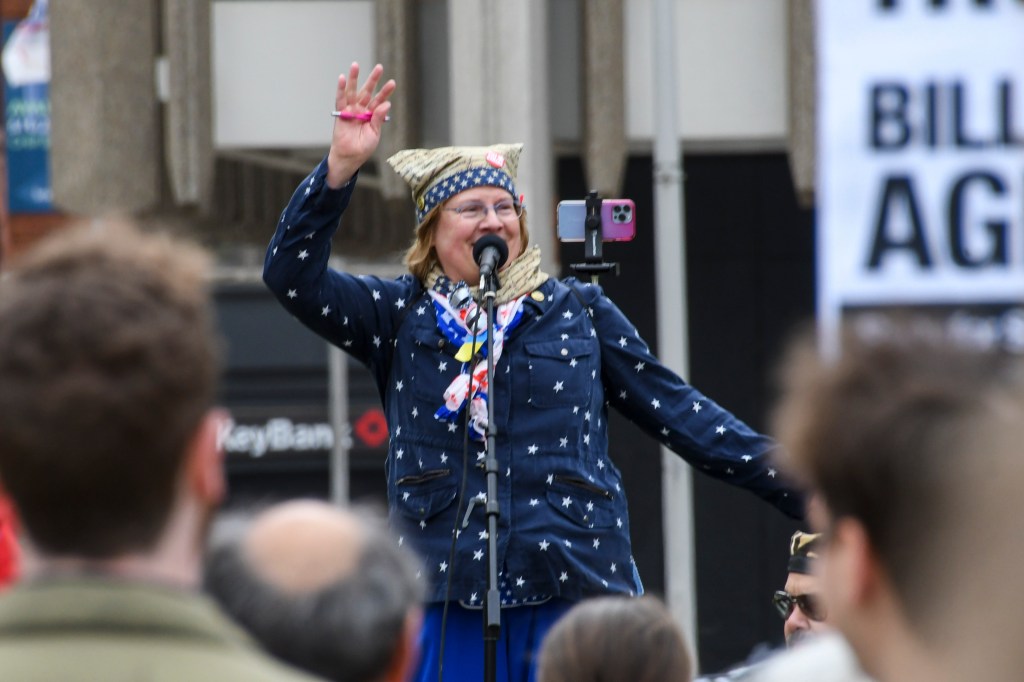
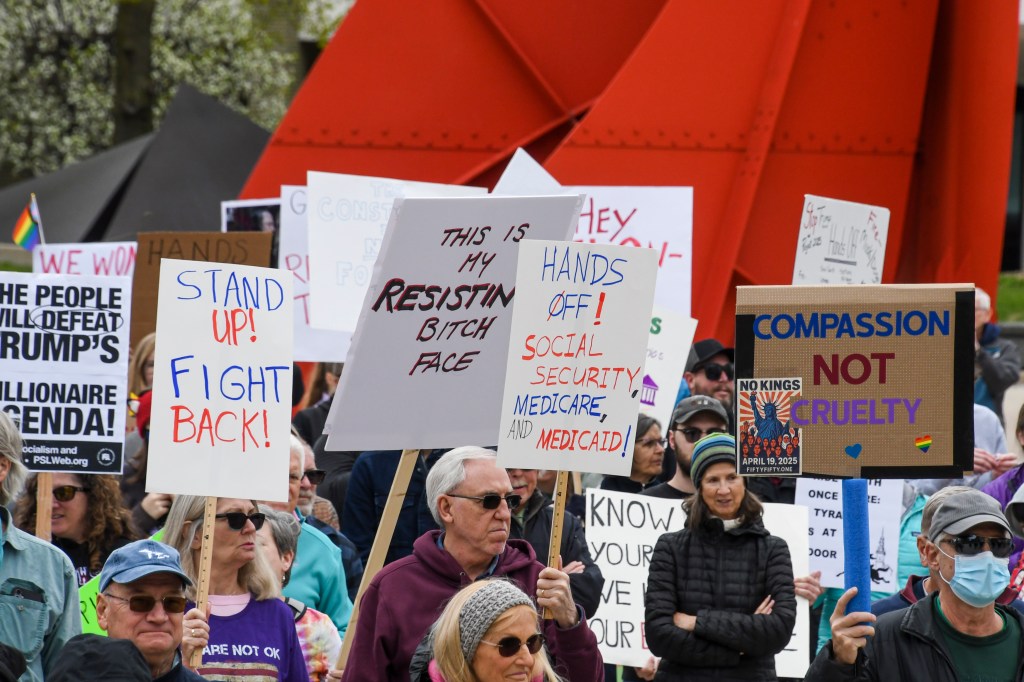
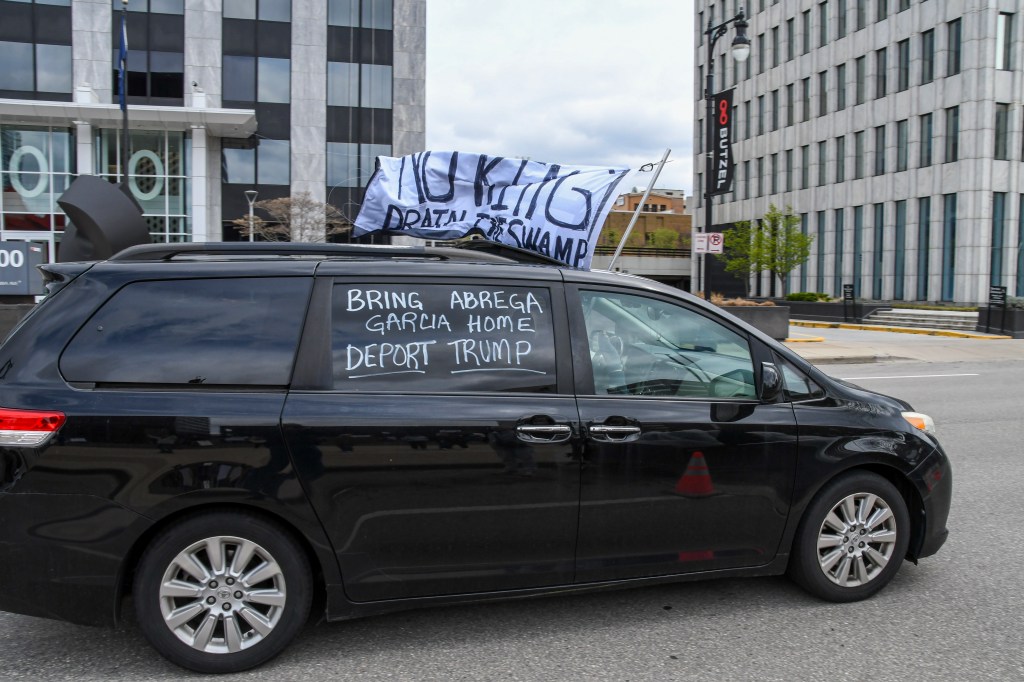
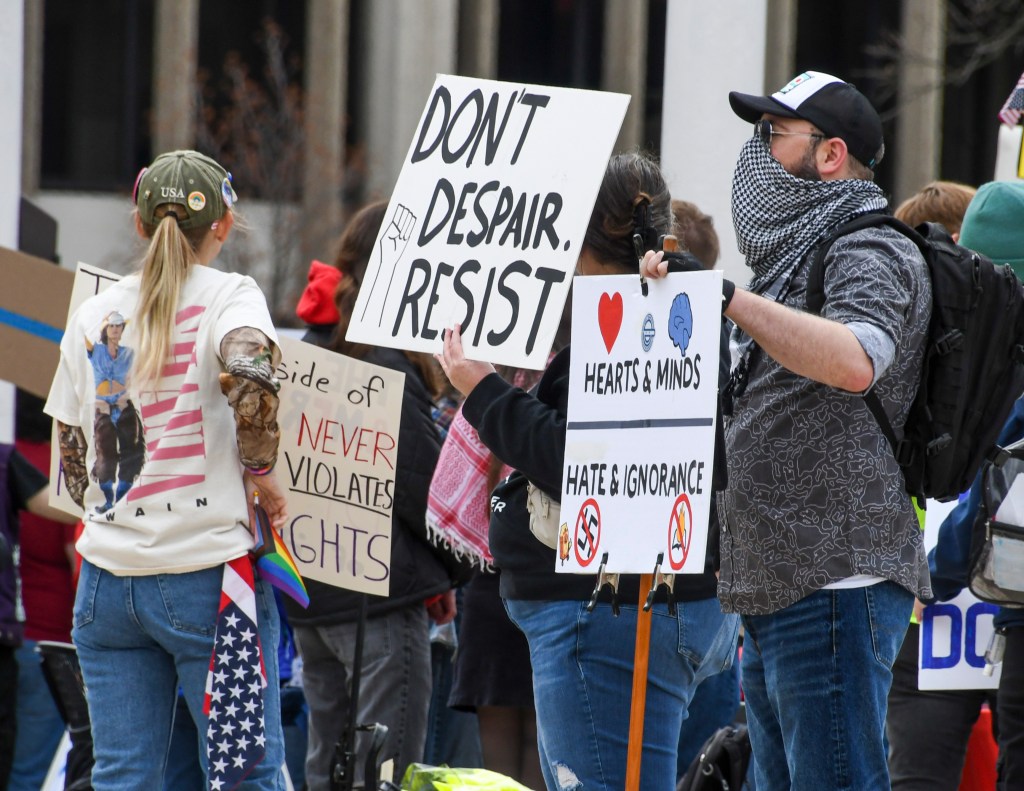
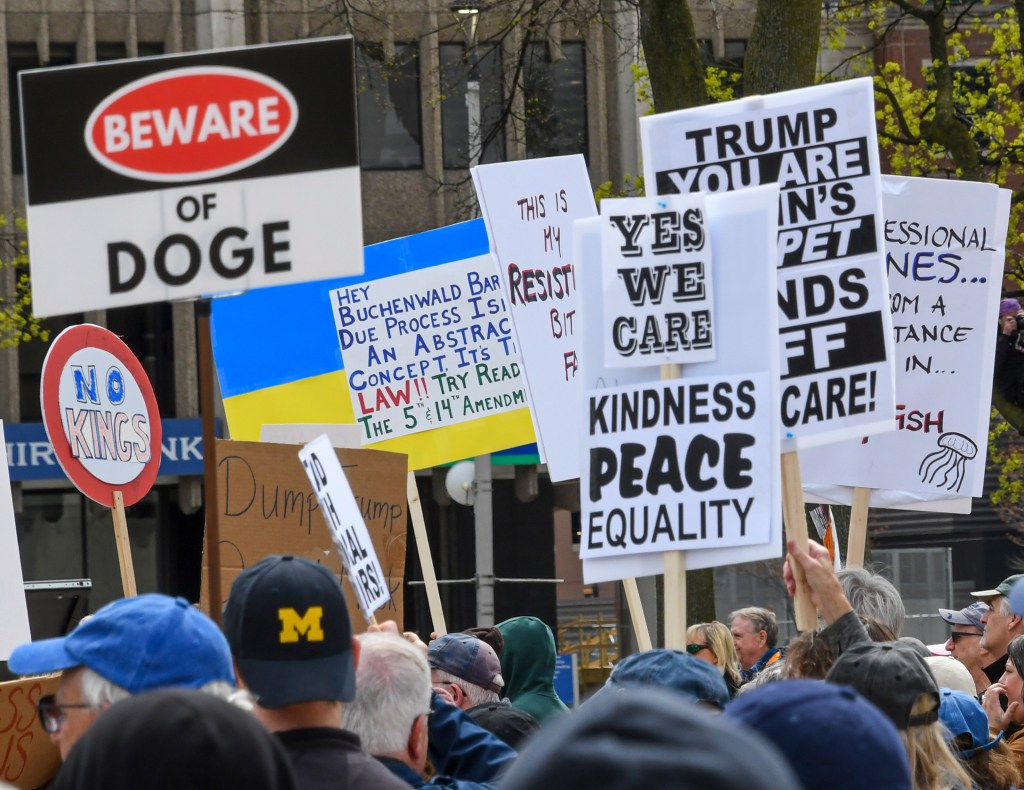
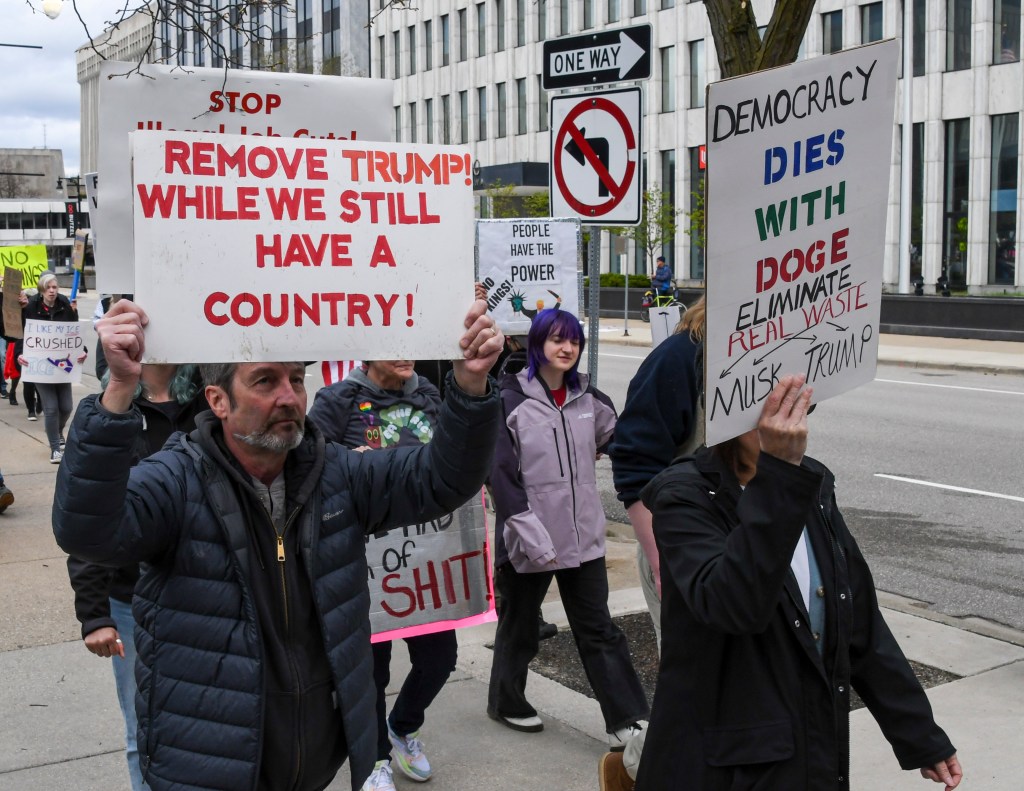
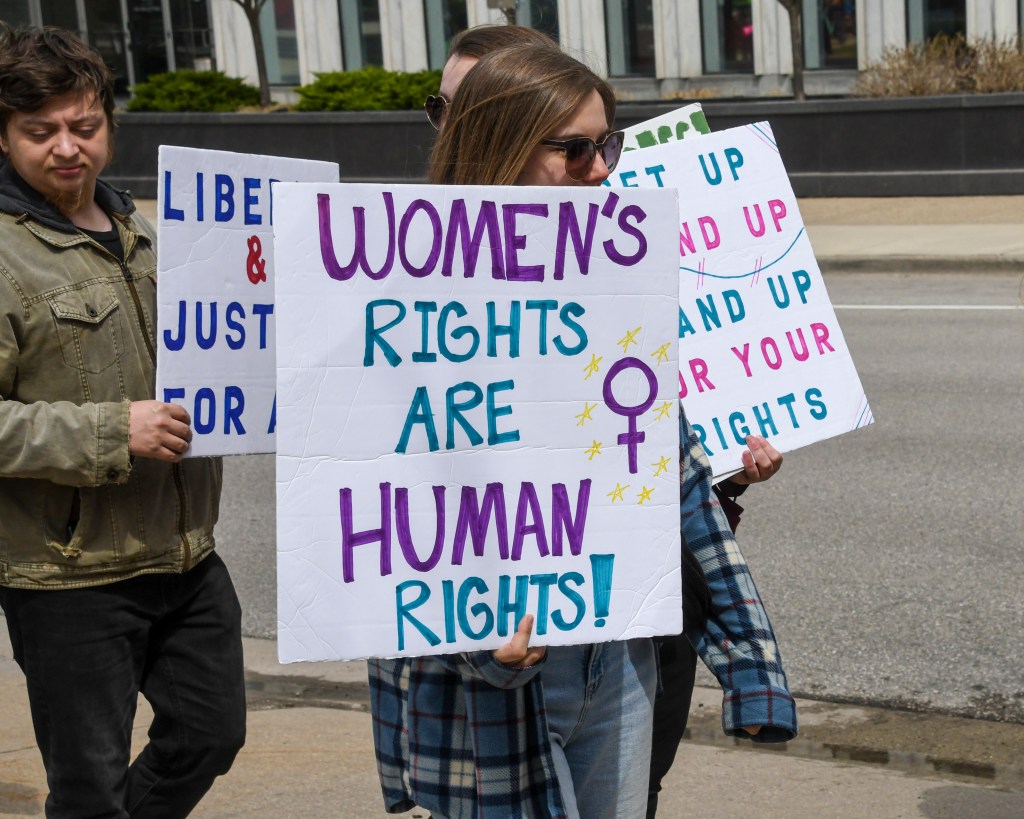
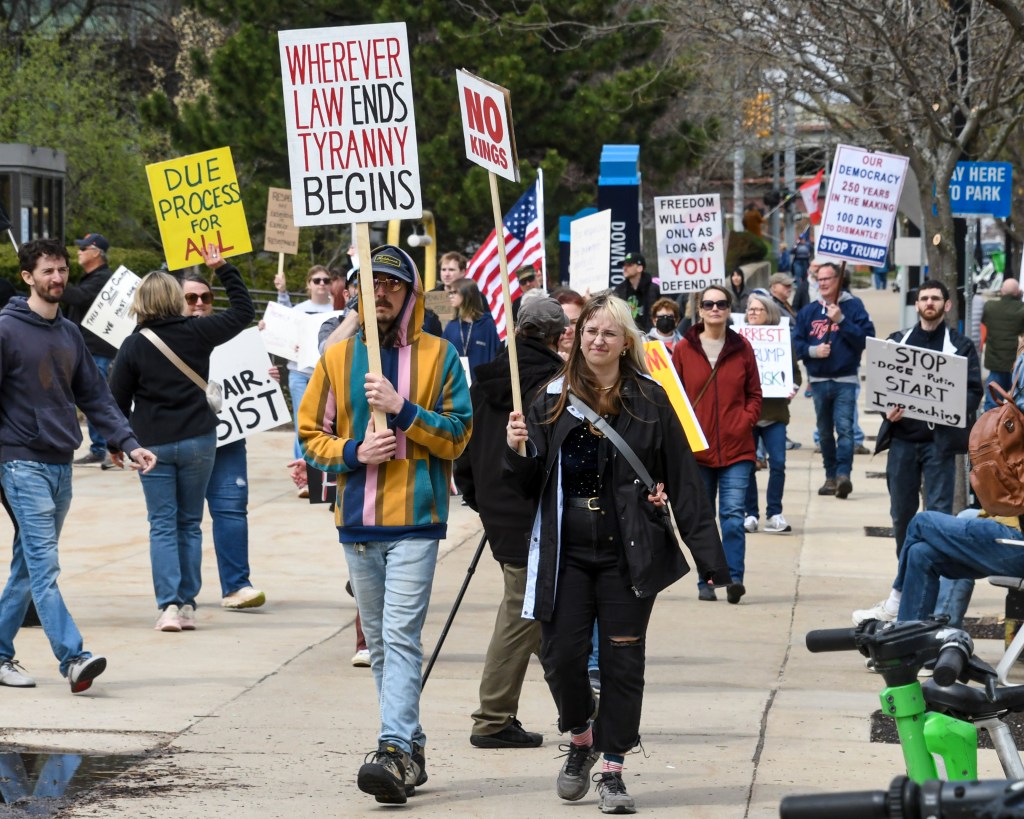
Grand Rapids, MI — Hundreds of voices rang out across Calder Plaza on Saturday afternoon April 20, 2025 as demonstrators gathered for “Picket the Plaza,” a protest against the Trump administration and what many described as a troubling direction for the country. The event, part of a nationwide day of action, drew people from all walks of life to downtown Grand Rapids in a unified call for justice, accountability, and the protection of civil rights.

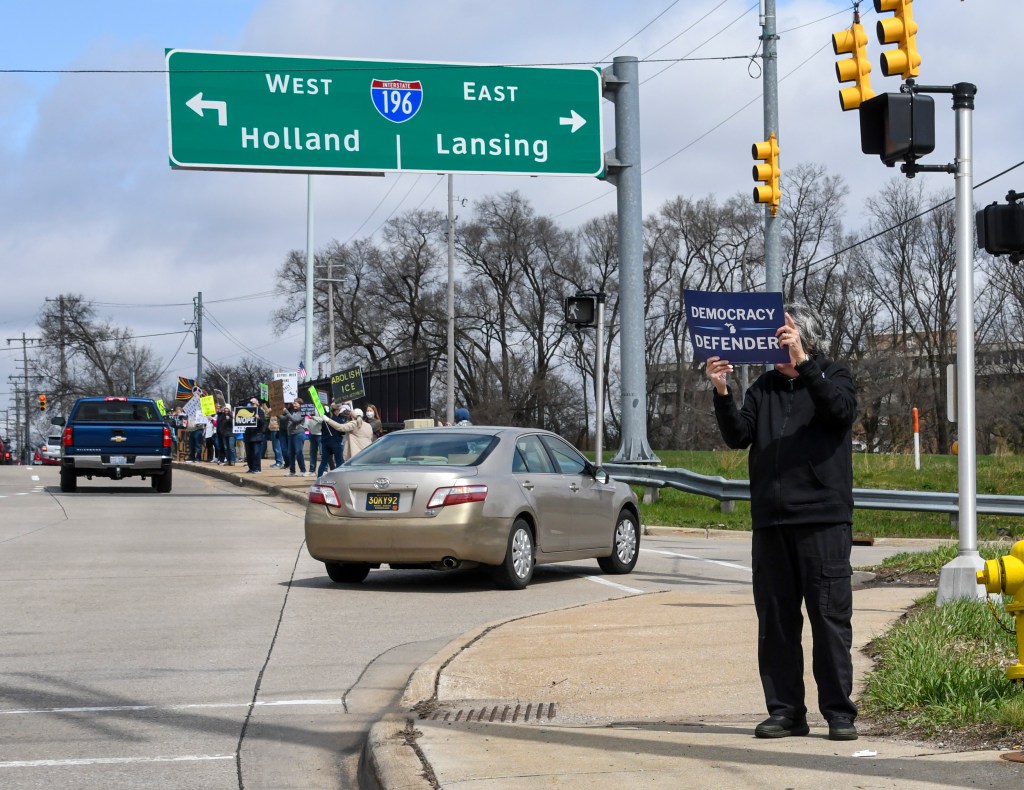
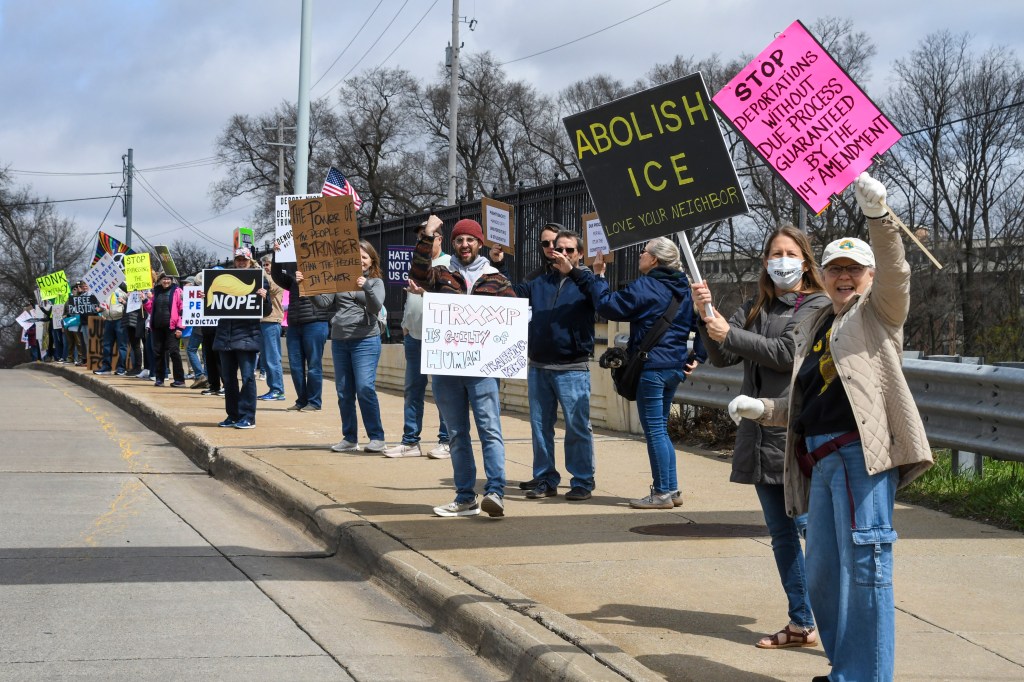
Beginning with a powerful visual display, protesters lined bridges over Grand Rapids’ highways at noon, holding signs and waving to honking cars below. After an hour of peaceful bridge demonstrations, the crowd convened at Calder Plaza where the energy only grew louder.

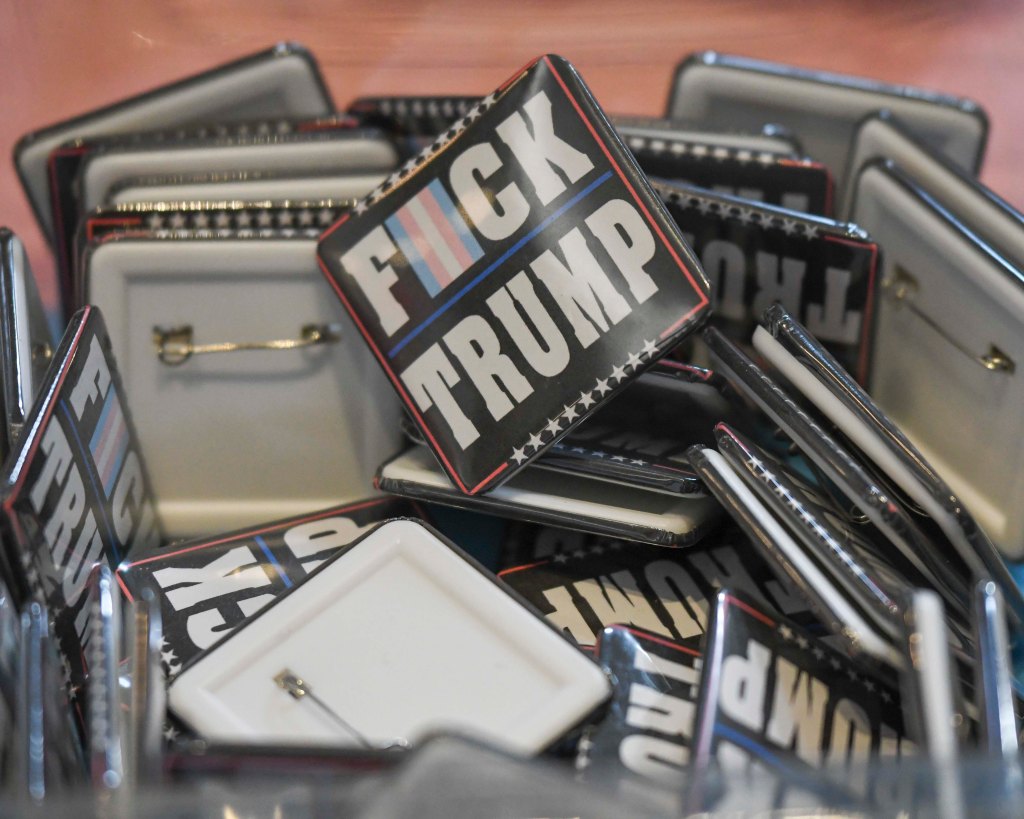
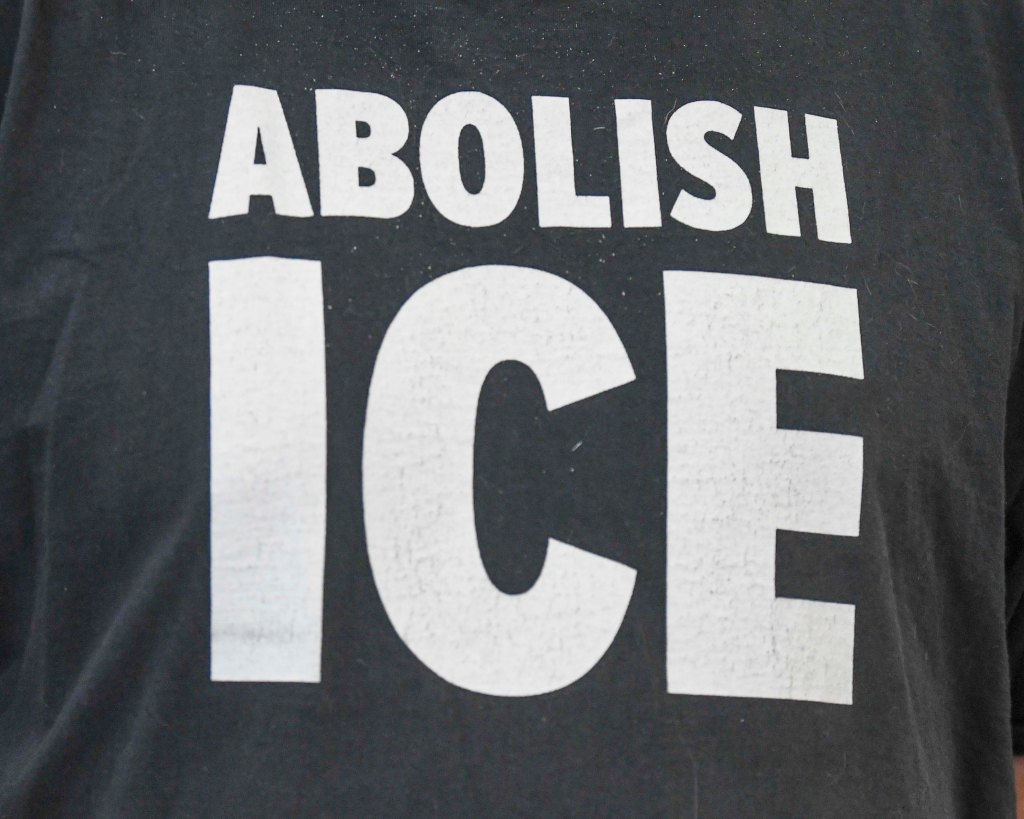
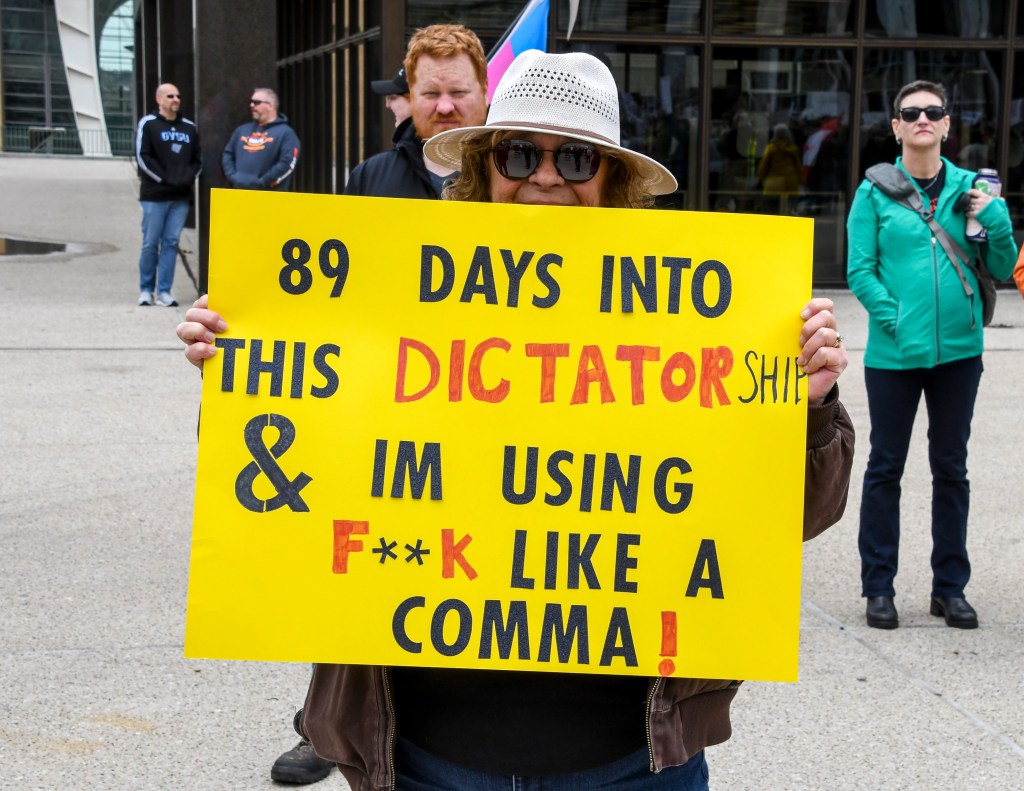
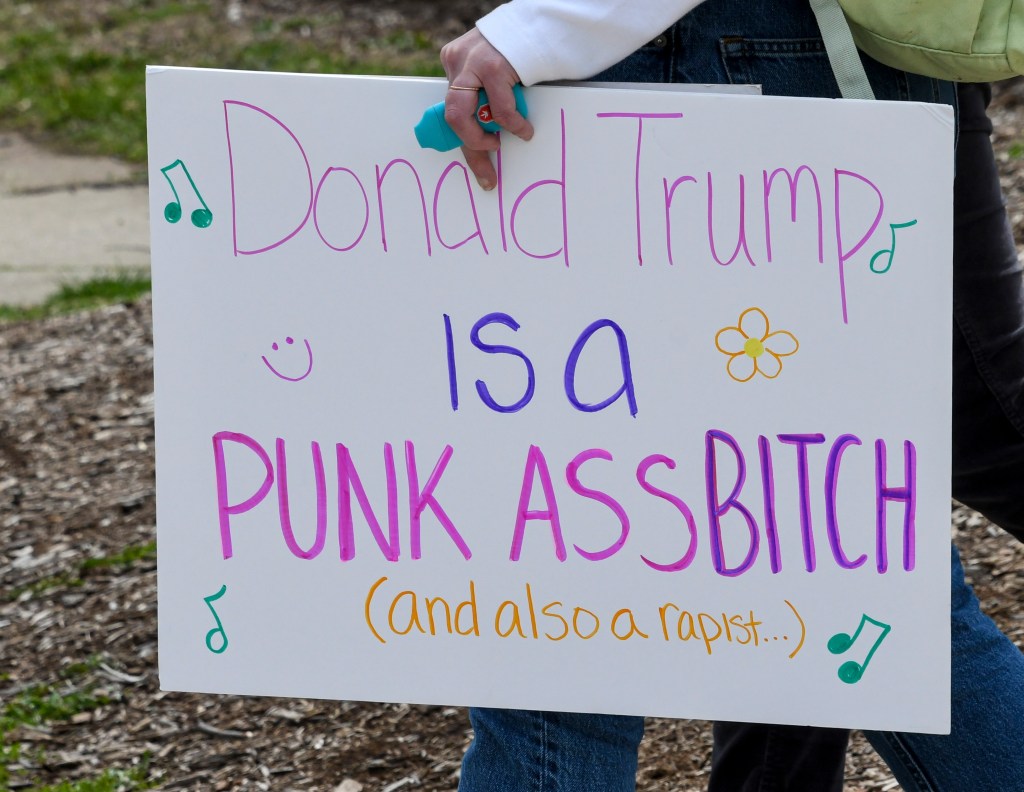
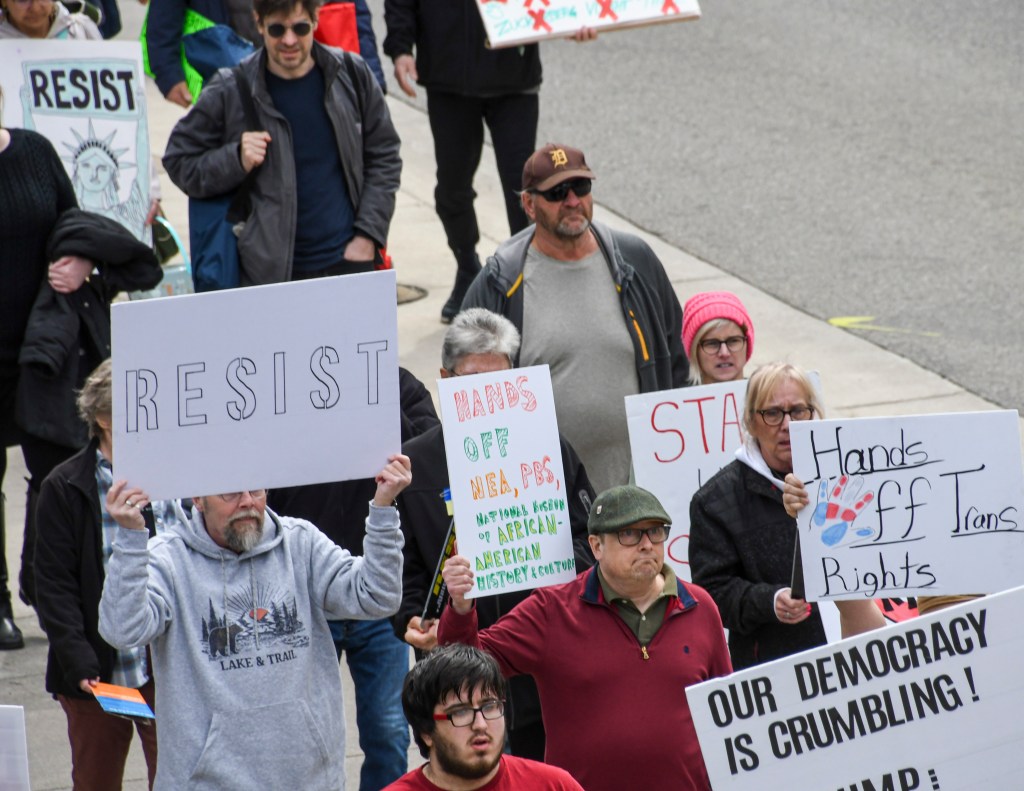
Messages of hope, frustration, and resistance filled the air, with signs bearing slogans like “Make love more contagious than measles,” “Disarm DOGE,” and “Everyone is innocent until proven guilty.” The chants echoed through the city blocks: “Hey hey, ho ho, Donald Trump has got to go,” and “Trans rights are human rights.”

“I care about everybody,” said protester Dee Jones, eyes filled with determination. “There’s a lot of injustice, inequities, and unethical things happening not just globally, but right here in the U.S. I’m sad. I’m disappointed. I’m angry. But I can do something. I can lead, and that’s why I’m here.”

Speakers took the stage to voice deep concern over President Trump’s influence and the direction of the Republican Party. Organizer Karen Dunnam didn’t mince words: “What’s going on in the Trump regime is not normal. It needs to be stopped, adjusted, rearranged—made palatable.”

Many attendees admitted it was their first time protesting, driven by what they see as an urgent need for action. Fear of rising authoritarianism and threats to democratic norms brought them out of their homes and into the streets.

From the bridges to the plaza, from chants to speeches, the message was clear: silence is not an option. As many people boldly declared, “It’s not the time to stay home—it’s time to take action.”