Grand Rapids, MI – 05-22-25 Kent County Prosecutor Chris Becker announced today that his office will not pursue a retrial in the high-profile murder case against former Grand Rapids Police Officer Christopher Schurr, citing a clear trend in the jury’s leanings and significant challenges with jury selection. The controversial decision effectively closes a case that has gripped the Grand Rapids community and reignited debates around police accountability and justice system fairness.
The initial trial ended in a hung jury, with the final tally showing 10 jurors voting for acquittal and only two favoring conviction. Becker described the progression of the jury’s deliberations in detail, explaining how it moved from an even 4-4 split to 7-5, and ultimately to a strong 10-2 in favor of not guilty. “When we looked at those numbers, it was clear that the odds of a conviction in a second trial were extremely low,” Becker said during a press conference.
Becker added that over the past six years, the prosecutor’s office has encountered 15 hung juries, and of those, only one case was retried—a case he described as “very strong”—yet even that retrial failed to produce a guilty verdict. “We do not take these decisions lightly,” Becker emphasized. “But we must base them on the law, on the facts, and what we believe we can prove beyond a reasonable doubt.”
One of the key factors in the decision not to retry the case was the difficulty of securing an impartial jury. Becker explained that the original trial involved striking 43 jurors for cause and using 10 primary challenges to remove those perceived as problematic. Of the potential jurors evaluated, at least 15 showed visible or admitted bias, and 30 were flagged as problematic. Despite these efforts, Becker acknowledged the near impossibility of eliminating all individuals with ties to law enforcement in a case involving a police officer.
“Jury selection is one of the most critical components of a fair trial,” Becker said. “But in this case, it was incredibly difficult to find jurors who didn’t come in with some level of bias or strong opinion.”
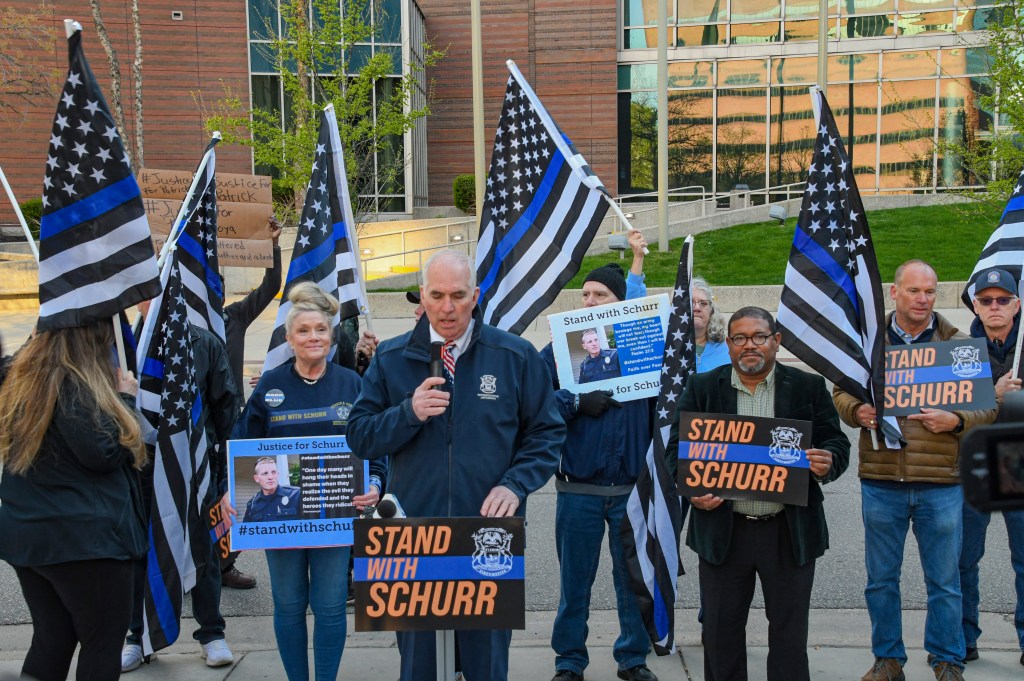
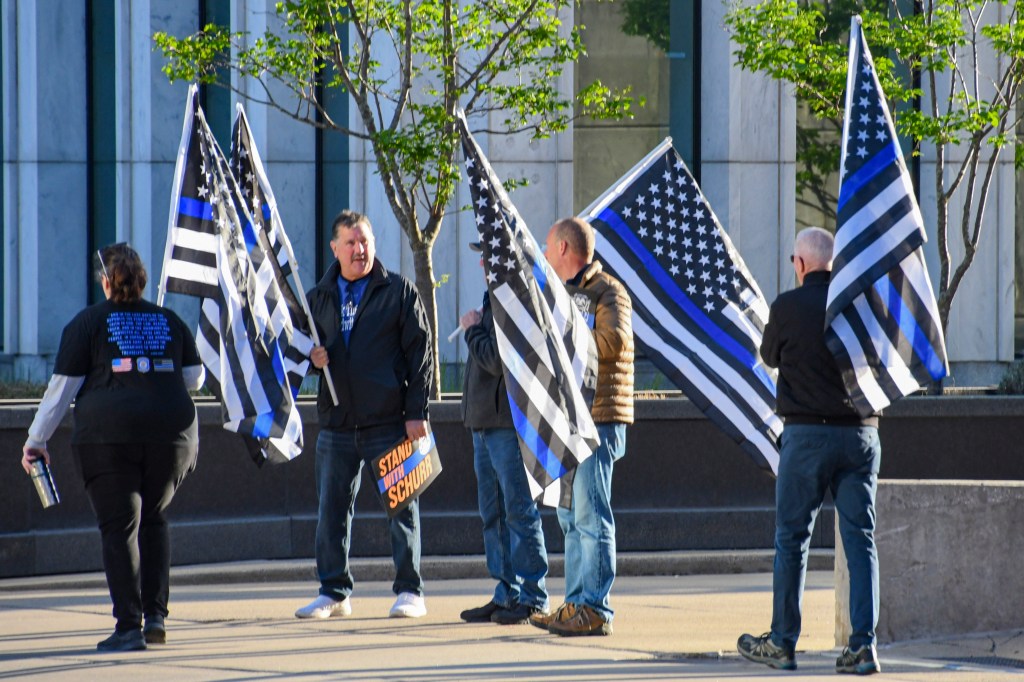
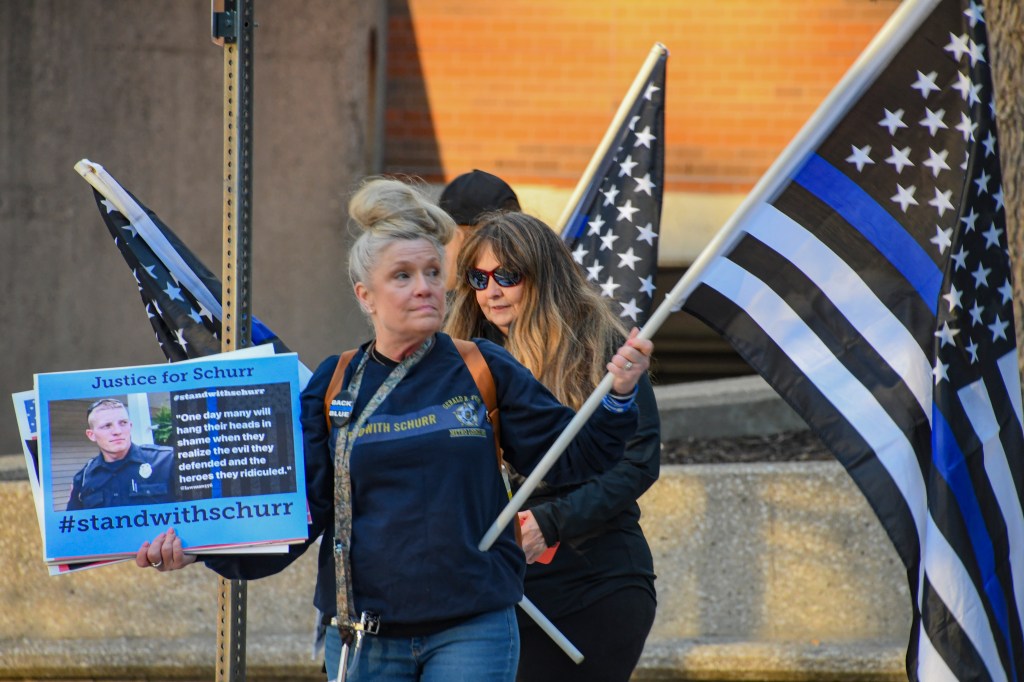
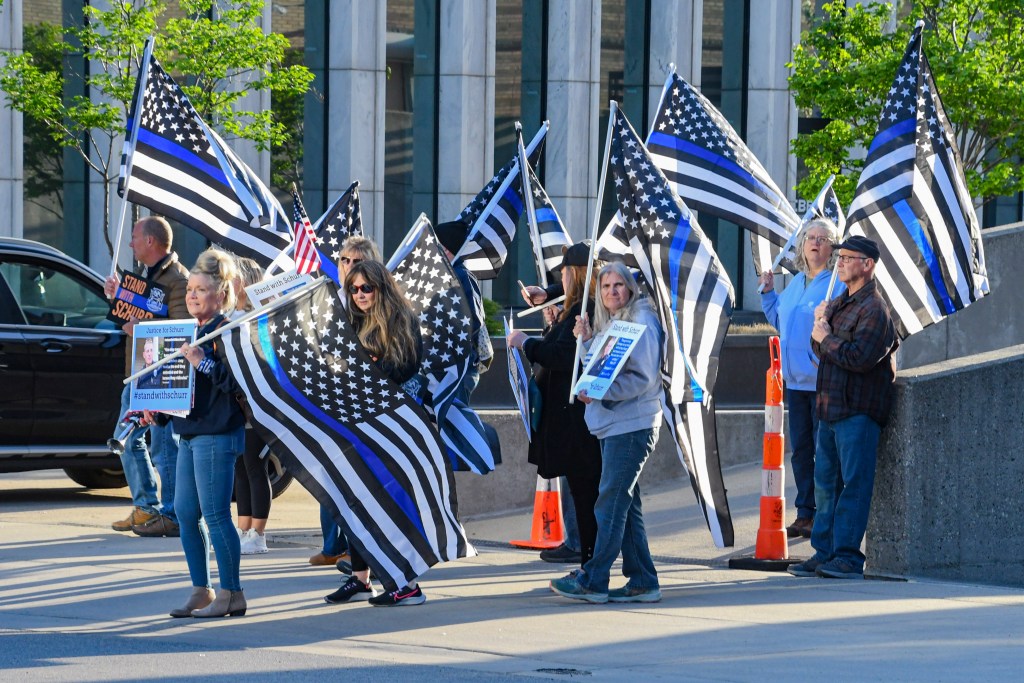
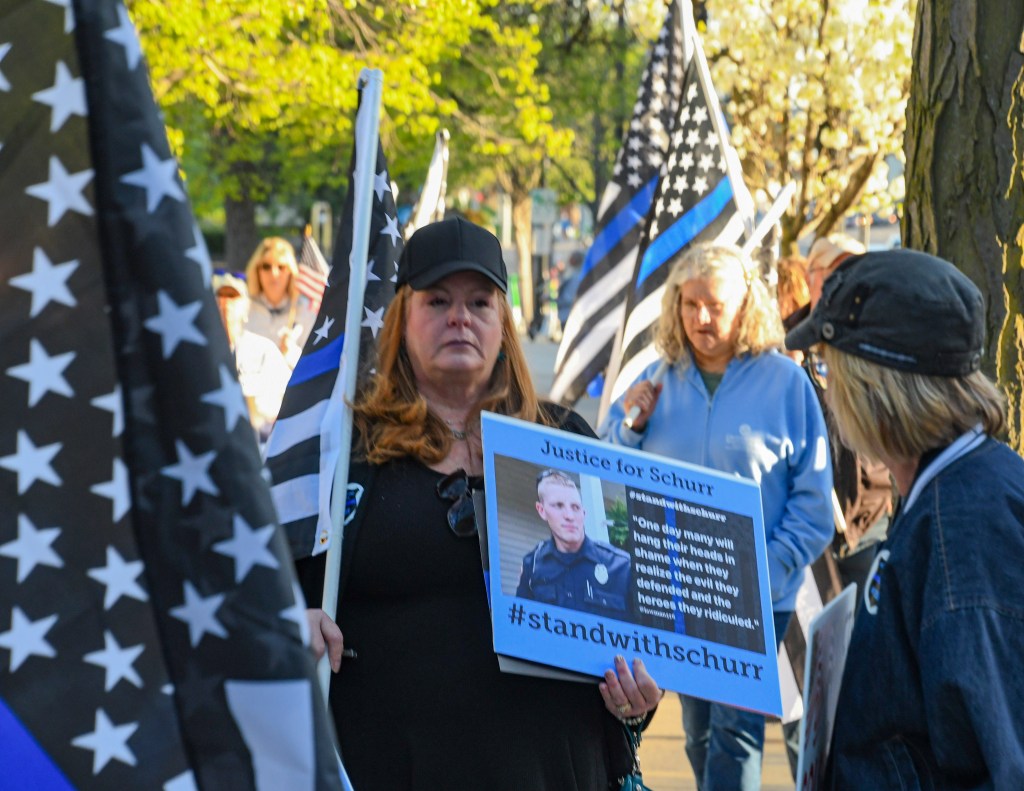
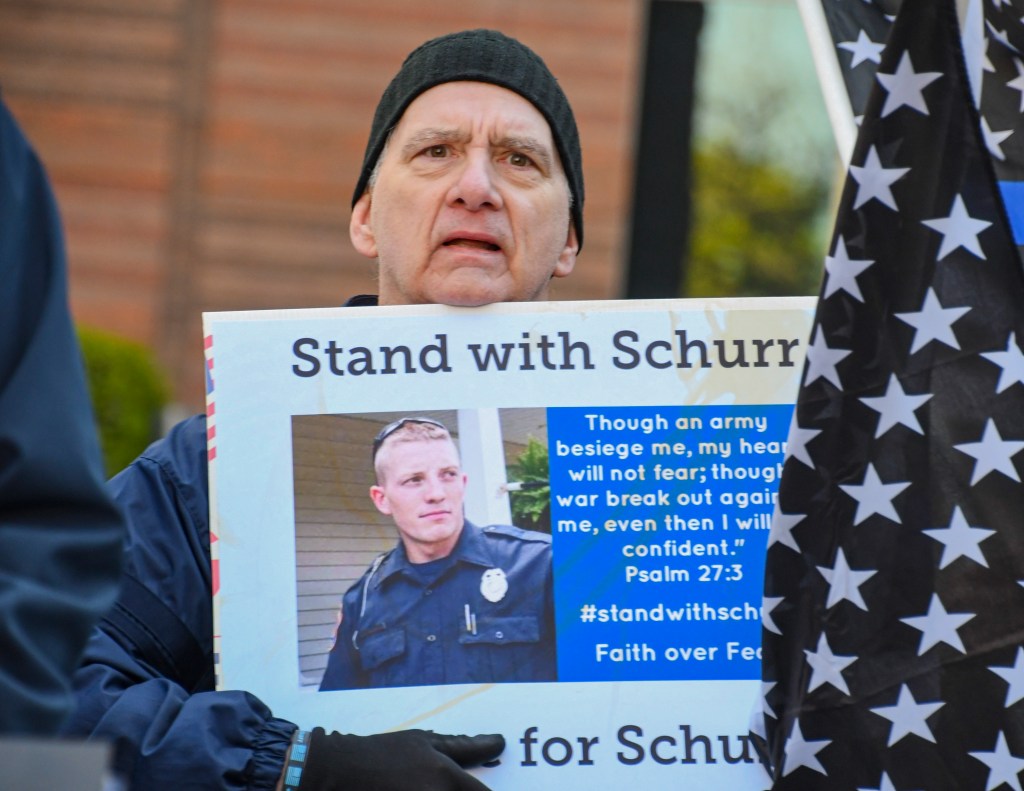
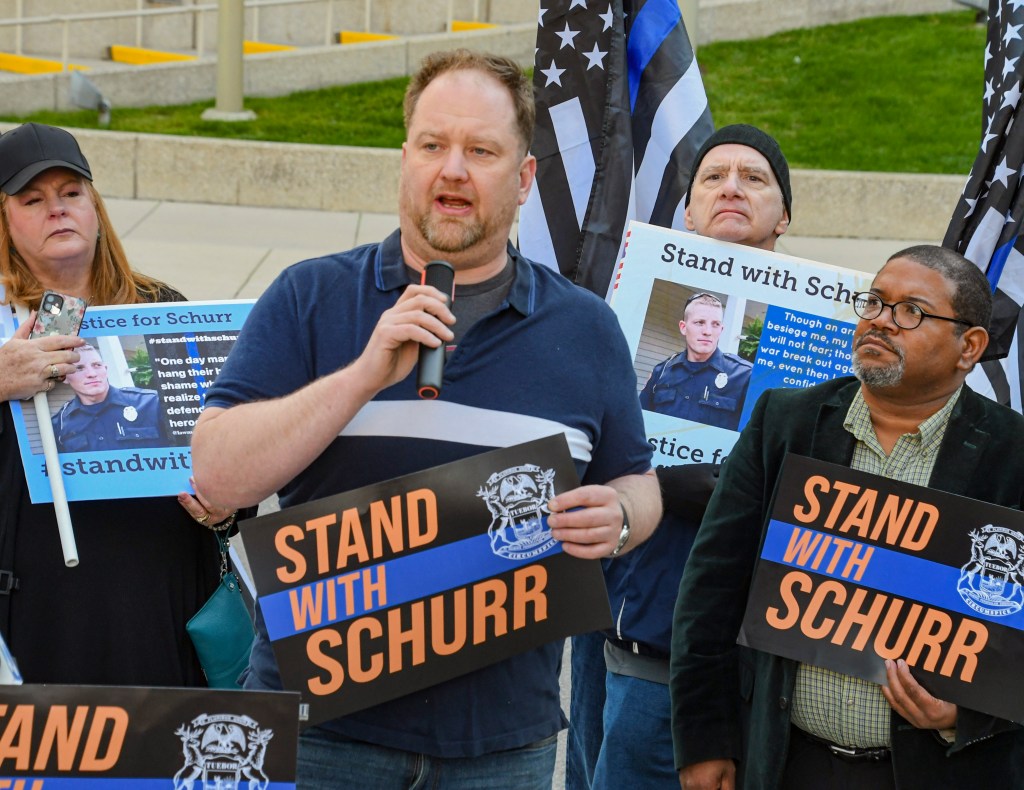
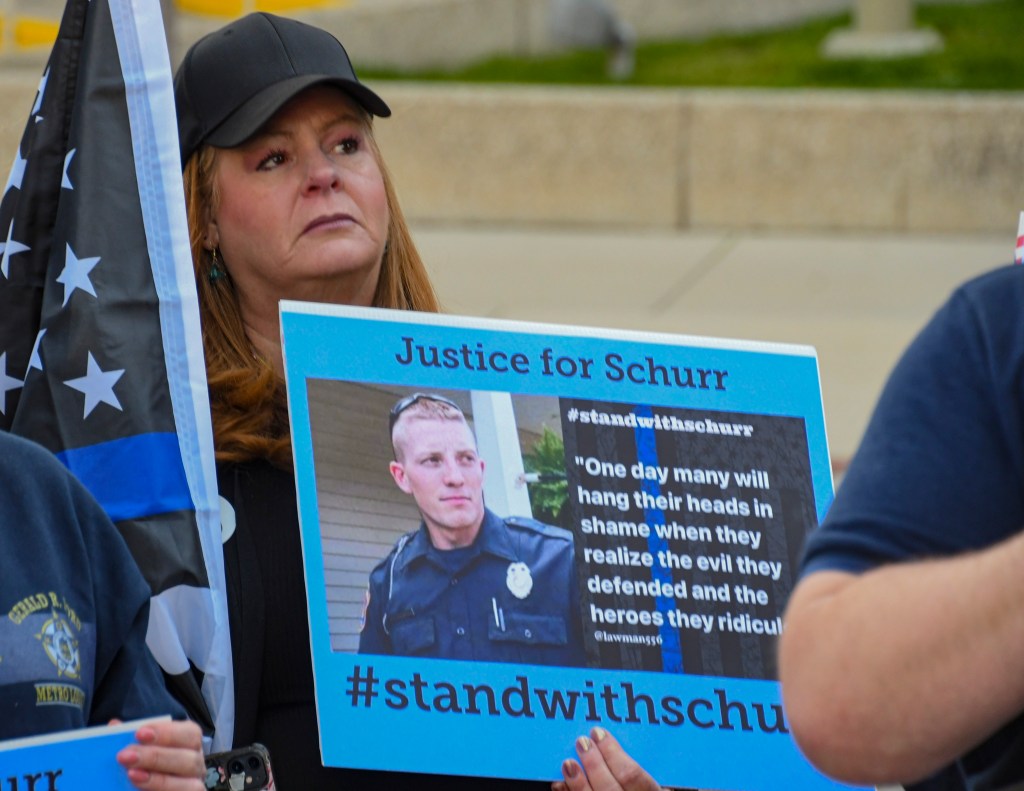
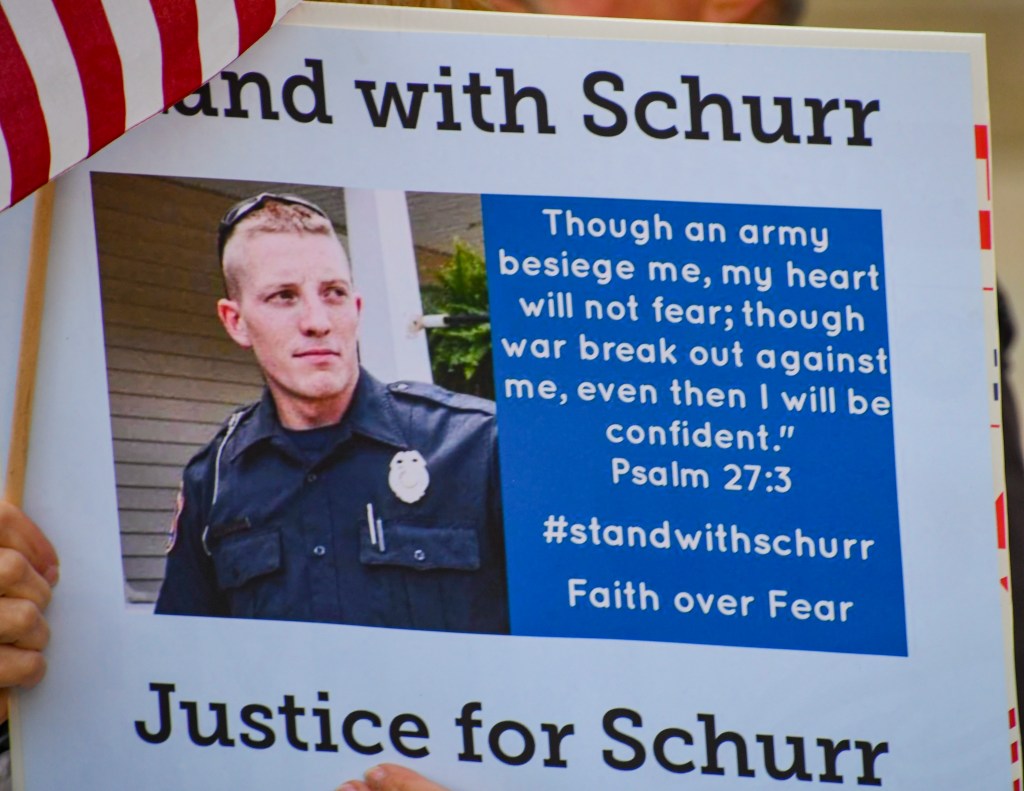
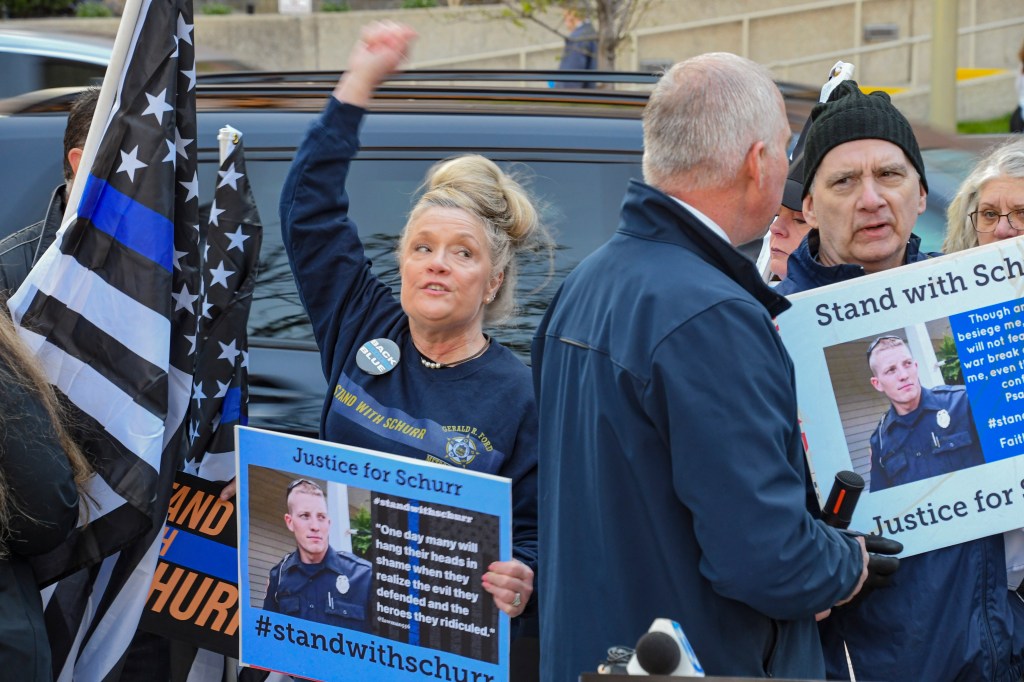
The community response to the decision was swift and passionate. Some called for a retrial, arguing that the lack of a conviction doesn’t mean justice was served. Others supported Becker’s decision, viewing the jury’s 10-2 vote as indicative of reasonable doubt.
Becker acknowledged the community’s deep emotions on both sides of the case. “I’ve heard from many people, and I respect the intensity of their opinions,” he said. “But this decision was not about appeasing anyone. It was based on what the evidence could support in a courtroom, not on public pressure or sending a message.”
He added that while he sympathized deeply with the victim’s family and the broader community, it would be irresponsible to spend more time, resources, and emotional energy on a case unlikely to result in a different outcome.
With the decision not to retry, Christopher Schurr will remain free, and the case will be officially closed. Becker made clear that the option of reducing the charge was not considered, stating that the office either had the evidence to support the original charge or it did not.
The prosecutor also reflected on the toll the case has taken—not just on the legal system, but on the families involved and the broader community’s trust in justice. “This was a difficult, emotional, and high-stakes case,” he said. “We spent significant time and resources preparing it. But our job is not to win at all costs. Our job is to pursue justice—where it can be fairly and legally obtained.”
The outcome has sparked discussion about the broader implications for similar cases involving law enforcement officers. Becker noted that cases involving police conduct face unique challenges, from jury bias to community polarization. He emphasized the need for continued vigilance in ensuring unbiased jury selection and transparent prosecutorial decisions.
“Every decision we make must reinforce the public’s trust in the system,” he concluded. “Even if the result is unsatisfying to some, our responsibility is to uphold the law—not to bend it under pressure.”
As Grand Rapids moves forward, the case will undoubtedly leave a lasting impact on the community’s relationship with its legal system. And while no retrial will take place, the questions it raised—about justice, accountability, and fairness—are unlikely to fade anytime soon.




 Media Works of John Rothwell